
Vandaag of morgen in huis

Kwaliteit gegarandeerd

Welkomstaanbiedingen ontgrendelen: GRATIS bezorging | Tot 80% korting | Gratis 30 dagen JoyPlus-proefperiode
Download de app
Not drinking alcohol does not mean you have to serve only water or soft drinks at a get-together. The range of alcohol-free drinks now includes wine, beer, fruit beer, spritz and ready-to-serve alcohol-free cocktails. However, products can vary considerably in taste, ingredients, serving size and sugar content.
If you only look at the front of the bottle, you could be in for an unpleasant surprise. These points will help you make a more informed choice when buying alcohol-free drinks.
A product may be described as alcohol-free, a 0.0% drink, mocktail or de-alcoholised wine. Always check the alcohol percentage on the label. This is particularly important if you are pregnant, the designated driver or want to avoid every amount of alcohol for another reason.
Alcohol-free wine often lists de-alcoholised wine as its base. This does not automatically mean that the product tastes the same as regular wine. The aroma, acidity and body may be different. Also check the ingredients list and nutritional information.
Spritz drinks, alcohol-free mocktails and flavoured fruit beers regularly contain sugar, syrup or sweeteners. As a result, a small bottle may contain a relatively high amount of carbohydrates. Compare the nutritional information per 100 ml, rather than looking only at the figures per bottle or glass.
For example, Sir James Passionfruit Martini Mocktail lists 51 kcal and 12.5 grams of sugar per 100 ml. The bottle contains 250 ml, so the total amount is higher than the value shown on the label per 100 ml.
A 750 ml bottle is convenient for a dinner with several people, but less practical when you only want one glass. A single-serve 200 or 250 ml bottle prevents an opened drink from being left in the fridge for too long.
Also consider the closure. A screw cap is convenient when you are out and about, while an opened sparkling drink will generally lose its fizz quickly. Always check the storage instructions and use-by information on the packaging.
First, look at the precise product description:
The term 0.0% on the label is a clear product specification, but always check the current packaging. Product information may vary by market or packaging format.
Read the ingredients list before ordering. Alcohol-free wine regularly contains sulphites as a preservative or antioxidant. Beer and fruit beer may contain barley, wheat or other gluten-containing cereals. A drink that is free from the 14 major EU allergens is not automatically free from every possible individual sensitivity.
Also look out for:
According to the manufacturer's own information, Crodino Biondo contains ingredients including sugar, flavourings, citric acid and colourings. The product is described as free from the 14 major EU allergens. Always check the label before drinking.
An alcohol-free drink often comes into its own when you follow the serving instructions. Wine is usually served chilled, while a spritz or aperitif takes on a different balance when served with ice and citrus. Fruit beer can be served over ice, while a mocktail looks more festive in a martini or champagne glass.
Choose according to the occasion:
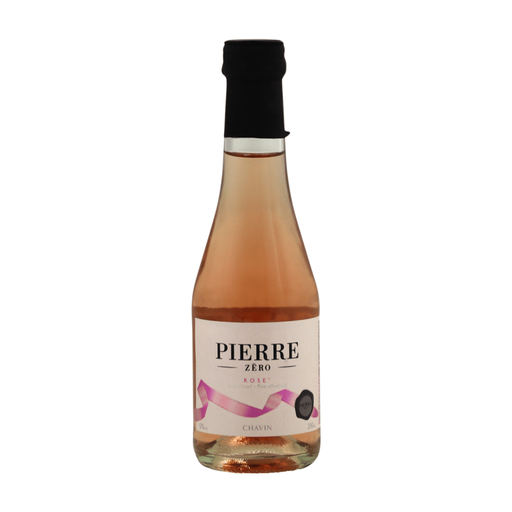
Why it suits this profile: The 200 ml single-serve bottle is ideal for trying an alcohol-free rosé without opening a full-size bottle straight away.
The portion size helps prevent unnecessary waste. The product information states 0.0% vol and a screw cap.
A Chardonnay and Merlot blend, a fresh, fruity description, 18 kcal per 100 ml and vegan according to the product description.
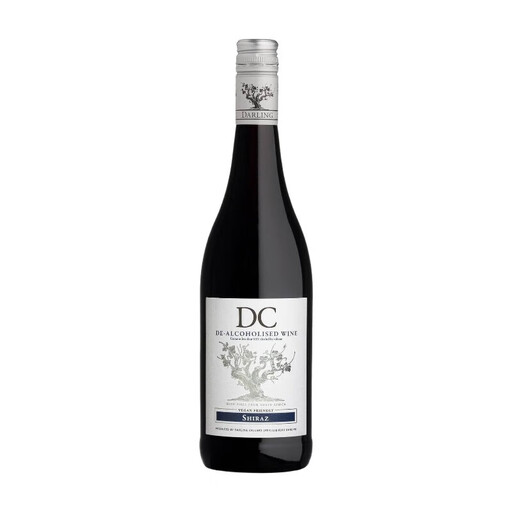
Why it suits this profile: The 750 ml bottle is well suited to a dinner or occasion where several guests would like a glass of wine.
The ingredients list names de-alcoholised Syrah wine as the base. Sulphites are clearly listed as an allergen.
750 ml capacity, Shiraz/Syrah as a recognisable grape variety and storage instructions recommending a cool, dark place.
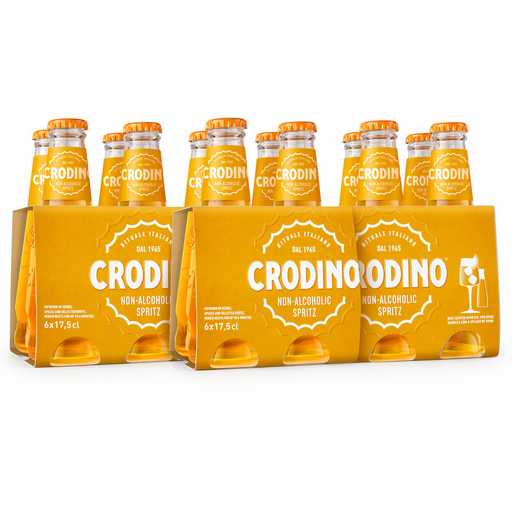
Why it suits this profile: The large multipack is practical for regular get-togethers, parties or keeping a supply at home.
Each bottle contains 175 ml, giving you a set portion for every serving. Serve with ice and a slice of orange.
Bubbles, herb and fruit extracts, plus a multipack of 18 bottles. According to the product information, it contains none of the 14 major EU allergens.
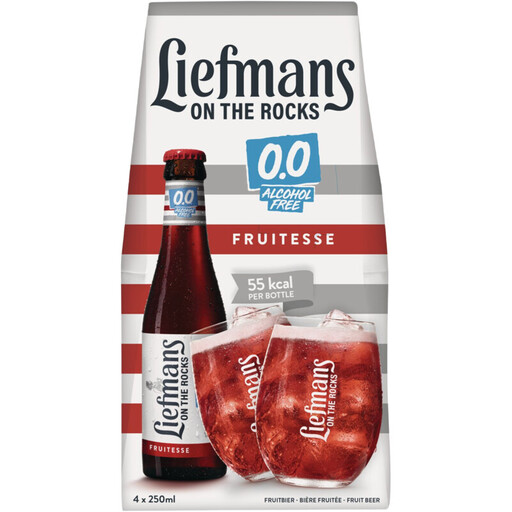
Why it suits this profile: The fruity style is ideal for people who find beer too bitter and are looking for a sweeter drink to enjoy at a get-together.
The product information states 0.0% and gives the nutritional values per 100 ml: 22 kcal and 3.7 grams of sugar.
Four 250 ml bottles, fruity notes including cherry, raspberry and blueberry, and the option to serve over ice.
We have put together a complete, up-to-date list of products that fully meet these strict selection criteria and the applicable European safety regulations.
Alcohol-free wine is usually made from de-alcoholised wine and has a grape- and wine-like profile. Alcohol-free beer typically uses water, malt and hops. Fruit beer adds fruit flavourings or fruit ingredients. Taste and nutritional values can vary by brand, so check the ingredients and label.
Chill the drink beforehand and pour it over ice. A slice of orange, lemon or lime may complement the flavour profile. With a ready-to-serve alcohol-free spritz, you usually do not need to add anything, but glassware and a garnish can make the occasion feel more festive.
This depends on the product. Close an opened bottle or small bottle securely and store it as instructed on the packaging, usually in a cool place away from direct sunlight. Carbonated drinks lose their fizz quickly after opening. Therefore, check the use-by information and preferably drink an opened product within the stated period.
