
Vandaag of morgen in huis

Kwaliteit gegarandeerd

Welkomstaanbiedingen ontgrendelen: GRATIS bezorging | Tot 80% korting | Gratis 30 dagen JoyPlus-proefperiode
Download de app
Alcohol-free drinks now come in many forms: from sparkling alcohol-free beverages and alcohol-free wine to ready-to-drink alcohol-free cocktails, mocktails and non-alcoholic aperitifs. This wide range makes choosing easier, but it also increases the chance of a disappointing purchase. An attractive bottle or a familiar cocktail name doesn't automatically tell you about the sugar content, the alcohol percentage or whether it's right for your occasion.
This guide will help you read labels, assess marketing claims and choose a suitable drink for home, a brunch, a party or a moment when you still need to drive.
Always check the exact alcohol percentage. Some products are labelled as 0.0%, while other drinks may contain less than 0.5% alcohol. This difference can be important for drivers, people who want to avoid alcohol entirely and pregnant women. So look at the label and product information rather than relying solely on words like “alcohol-free” or “non-alcoholic”.
An alcohol-free mojito, martini or spritz may look very similar to a classic cocktail in presentation, but the nutritional values vary from product to product. According to the product information, Sir James Passionfruit Martini Mocktail contains 12.5 grams of sugar and 51 kcal per 100 ml. The 250 ml bottle therefore contains more sugar and energy than you might expect.
In contrast, take SPA Touch Sparkling Mocktail Strawberry Daiquiri. According to the stated nutritional information, this drink contains 0 kcal, 0 grams of sugar and no sweeteners. So don't just read the front of the packaging; compare the table per 100 ml.
A 200 or 250 ml bottle is handy for one person, but can work out more expensive per litre than a 750 ml bottle or a multipack. For a dinner with several guests, 375 ml bottles, a 750 ml bottle of alcohol-free bubbles or a pack of small bottles are often more practical. For a quiet evening alone, a single-serve format can actually prevent waste.
Make a distinction between these categories:
Sinzero Sparkling, for example, lists de-alcoholised Chardonnay, grape must, carbonation and sulphites, with an alcohol content of less than 0.5%. Pierre Zéro Chardonnay and Pierre Zéro Rosé, on the other hand, state 0.0% vol in the available product information. If you want to avoid alcohol completely, it's wise to check this difference beforehand.
Compare the nutritional values per 100 ml and, if relevant, per bottle. Look out for terms such as sugar, glucose-fructose syrup, grape must and sweeteners. A drink can taste “light” and still contain relatively high amounts of sugar.
According to the product information, SPA Touch Sparkling Mocktail Mojito is mainly made from sparkling mineral water and natural flavouring and states 0 kcal. Crystal Clear Cherry contains no sugar, but does contain sweeteners such as sucralose and acesulfame-K. These are different product choices with a different flavour profile.
For a festive occasion, size and ease of use also matter:
Check the storage instructions after opening. Many carbonated drinks need to be kept chilled and consumed within the stated period. A bottle with a damaged seal should not be consumed.
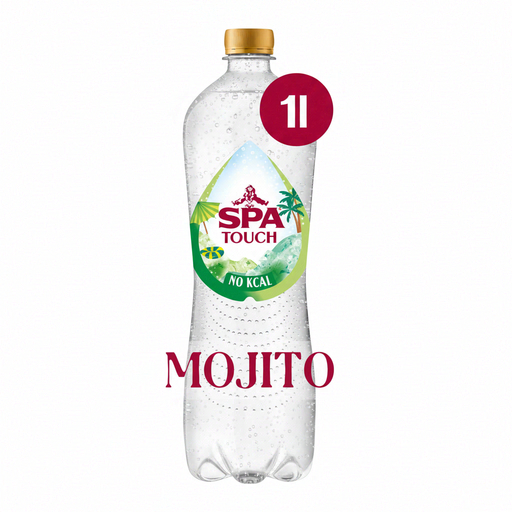
Why this fits the profile: The litre bottle is practical for home, a brunch or a table with several people. According to the product information, the drink contains 0 kcal, 0 grams of sugar and 0.0% alcohol.
The product information makes the calorie and sugar content clear, so the cocktail name doesn't cause confusion about the ingredients.
1 litre volume; sparkling mineral water; natural flavouring; no sugar or sweeteners according to the product listing.
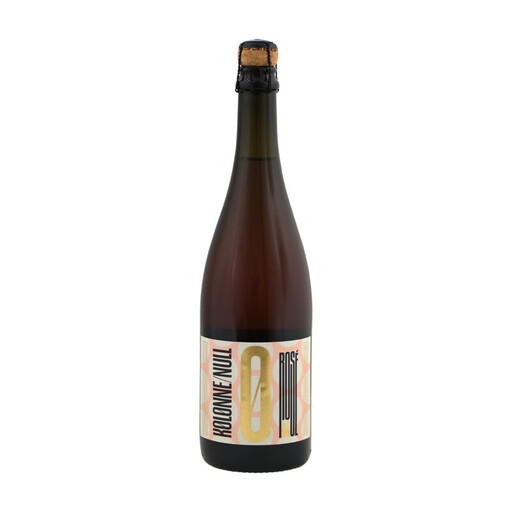
Why this fits the profile: The size and sparkling rosé style suit a dinner, festive toast or aperitif moment where presentation matters.
The product choice is based on size and product type, not just a striking cocktail name. Always check the alcohol percentage on the current packaging before purchase.
750 ml volume; sparkling rosé; according to the product description, suitable as an aperitif and for festive occasions.
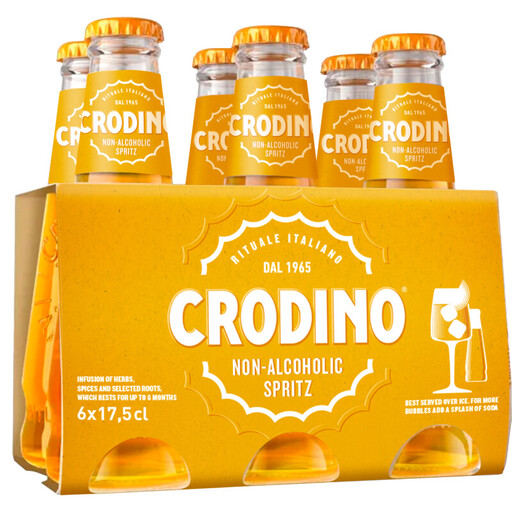
Why this fits the profile: The six small bottles are suitable for guests, drinks parties and occasions where you want to serve several portions straight away with ice and a slice of orange.
The multipack prevents a large opened bottle from sitting around for too long. The ingredients do list sugar, so check the nutritional values if that's a deciding factor for you.
6 x 175 ml; sparkling spritz; serving suggestion with ice and orange; suitable for serving multiple guests individually.
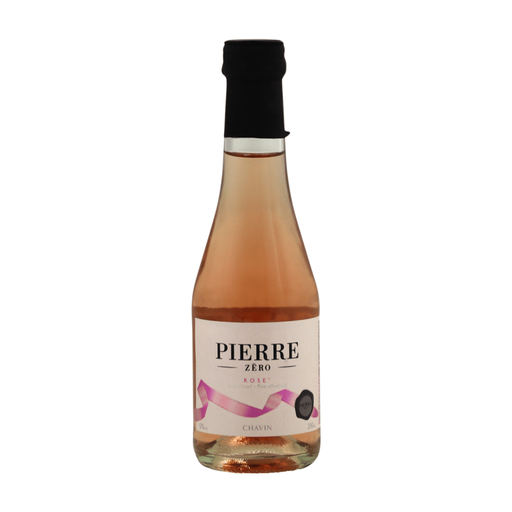
Why this fits the profile: The single-serve 200 ml bottle is handy for one person, a picnic or a moment when you don't want to store an opened bottle.
The product information states 0.0% vol, so you don't need to guess the alcohol percentage from the product name. The label does list sulphites.
200 ml; 0.0% vol according to the product information; screw cap; fresh and fruity rosé style.
We've put together a full, up-to-date list of products that fully meet these strict selection criteria and comply with current European safety regulations.
Not automatically. Check whether the label states 0.0% vol and read the current ingredient information. Some de-alcoholised drinks may contain less than 0.5% alcohol. If in doubt, it's wise to discuss your choice with a midwife or doctor.
A mocktail is usually a mixed soft drink or cocktail-style beverage containing, for example, flavourings, herbs, fruit juice and carbonation. Alcohol-free wine is made from wine from which the alcohol has been removed. The taste, acidity, sugar levels and serving method can therefore differ significantly.
This varies by product. Store an opened bottle according to the label, usually chilled and tightly sealed. Small bottles or individual portions are practical if you want to minimise waste. Always check the best-before and storage instructions on the packaging.
