
Vandaag of morgen in huis

Kwaliteit gegarandeerd

Welkomstaanbiedingen ontgrendelen: GRATIS bezorging | Tot 80% korting | Gratis 30 dagen JoyPlus-proefperiode
Download de app
Alcohol-free drinks now come in many varieties, from alcohol-free wine and alcohol-free spritz to mocktail drinks, squash and sugar-free soft drinks. This extensive choice makes it easier to find something suitable, but it can also lead to a disappointing purchase. Eye-catching packaging says little about the taste, nutritional value or suitability for a party.
As a Joybuy Product Recommendation Officer, I filter the key product information down to the practical details. That way, you can quickly see which drink suits your occasion, budget and preferences.
A drink can contain no alcohol and still contain sugar or sweeteners. For example, Pierre Zéro Rosé states 0.0% vol alcohol, but according to the product information it contains 4.1 grams of sugar per 100 ml. Alcohol-free spritz drinks can also contain sugar. Always check the nutritional information and ingredients list.
Names such as mojito, daiquiri or spritz often refer to aromas and flavour profiles. They do not mean that the drink has the same ingredients as a classic cocktail. According to the product information, SPA Touch Strawberry Daiquiri consists of 99.9% sparkling mineral water and natural flavouring. No sugar, sweeteners or alcohol have been added.
A 200 ml bottle is convenient as a single serving, while a 1 or 1.5-litre bottle is better suited to a family or a table with several guests. With a multipack, you may pay less per serving, but only if you use the full quantity. Also check the best-before date and storage instructions after opening.
First, check whether the label states 0.0% vol or whether the product is simply described as “alcohol-free” or “non-alcoholic”. For alcohol-free wines such as Pierre Zéro Rosé and Pierre Zéro Chardonnay, the supplied product information states 0.0% vol. For other mocktail drinks, the product type is particularly relevant: sparkling water, soft drink, aperitif or de-alcoholised wine.
If you want to avoid alcohol completely, it is wise to check the label and ingredients list. Recipes can change; the packaging supplied with your order remains the definitive source.
Always compare the values per 100 ml. This makes a 200 ml bottle comparable with a 330 ml can or a family-sized bottle.
“Sugar-free” and “low-calorie” are therefore different properties. A product with few calories may still contain sweeteners.
Sparkling drinks work well as an aperitif or as a base for alcohol-free cocktails. Still rosé or Chardonnay is more suited to a meal. According to the product description, Crodino Biondo combines herbs, fruit extracts and mineral water, and is traditionally served with ice and a slice of orange.
Also check the allergens. Pierre Zéro Rosé and Chardonnay state that they contain sulphites. Other products in the range indicate that they contain none of the 14 main EU allergens. Always check the current packaging before consumption.
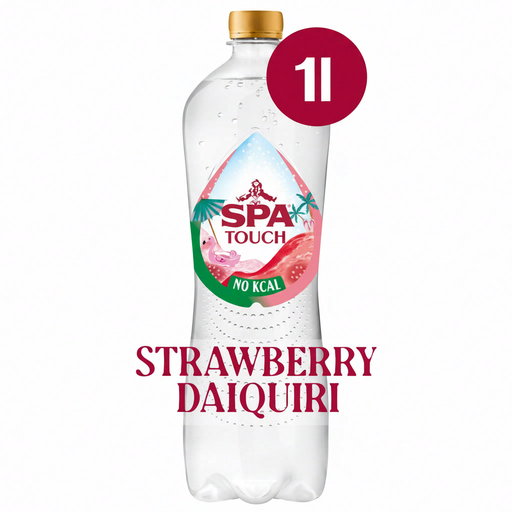
Why it suits this profile: The 1-litre bottle is ideal for sharing at home or using as an alcohol-free base for a simple mocktail. The strawberry daiquiri flavour gives sparkling water a recognisable cocktail profile.
The product information clearly states 0 kcal, 0 grams of sugar and no sweeteners. This means you do not have to rely on the word “mocktail” alone.
1 litre capacity; 0 kcal; natural flavouring; no sugar or sweeteners according to the label.
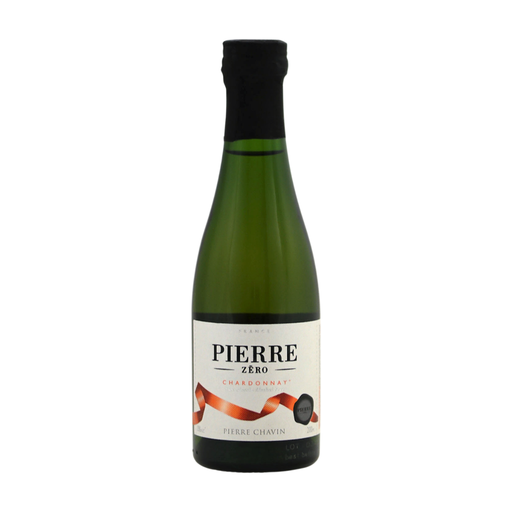
Why it suits this profile: This single-serve alcohol-free wine is designed for enjoying a wine-style drink without opening a whole bottle. The product description mentions fruity notes and pairings with salad, fish and chicken.
The size and alcohol percentage are clearly stated: 200 ml and 0.0% vol. The nutritional information also shows 19 kcal and 4.3 grams of sugar per 100 ml.
Convenient 200 ml serving; 0.0% vol alcohol; Chardonnay base; screw cap; contains sulphites.
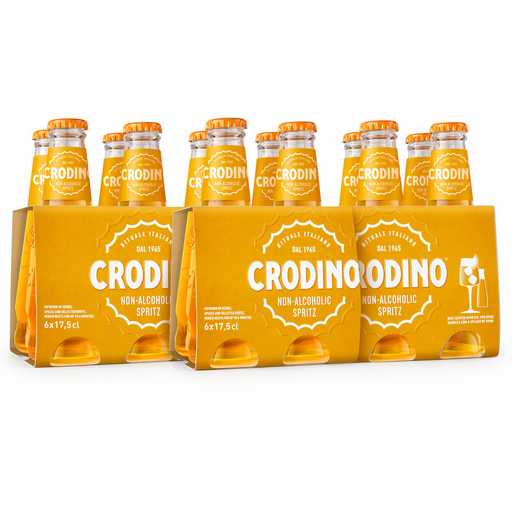
Why it suits this profile: The multipack of small bottles is practical for visitors, parties or several serving occasions. Serve with ice and a slice of orange for a distinctive spritz presentation.
The portions are pre-divided, so you do not have to open a large bottle for one glass. The label states that it contains sugar and colourings; this is visible before you place your order.
18 x 175 ml bottles; sparkling; herbal and fruity flavour according to the product description; suitable for serving chilled with ice.
We have put together a complete, up-to-date list of products that fully meet these strict selection criteria and the applicable European safety regulations.
For a social occasion, you can combine different styles. Place an alcohol-free spritz alongside an alcohol-free wine for guests looking for a wine-style profile. Sparkling mineral water with natural flavouring is ideal for people who do not want sugar or sweeteners. For everyday use, 7UP Zero Sugar, g’woon Raspberry Cranberry Sparkling Fruit and other low-calorie drinks are practical options, but always check which sweeteners they contain.
If you are looking for fruit drinks or squash, pay particular attention to the proportion of fruit juice and the amount of sugar. For example, Orangina Regular contains 12% juice from concentrate and 9.1 grams of sugar per 100 ml. Rubicon Sparkling Mango contains 8% mango purée and 13 grams of sugar per 100 ml. These are different choices from a sugar-free soft drink.
When buying soft drinks online, also consider:
No, not every term provides the same information. Some products explicitly state 0.0% vol on the label, such as the Pierre Zéro wines mentioned above. If in doubt, check the packaging and product information.
That depends on the recipe. SPA Touch Strawberry Daiquiri states 0 grams of sugar and 0 kcal per 100 ml. 7UP Zero Sugar also states that it contains no sugar, but it does contain aspartame. A product containing sugar and a product containing sweeteners are therefore not the same.
Follow the instructions on the packaging. Many sparkling drinks taste best after opening when resealed and stored in the fridge. The exact period may vary from product to product; the information on the label is definitive.
