
Vandaag of morgen in huis

Kwaliteit gegarandeerd

Welkomstaanbiedingen ontgrendelen: GRATIS bezorging | Tot 80% korting | Gratis 30 dagen JoyPlus-proefperiode
Download de app
Alcohol-free drinks now come in all kinds of varieties, from alcohol-free beer and wine to spritzes, mocktails, ginger beer and soft drinks. The wide choice makes it easier to find something you like, but also increases the risk of buying the wrong thing. Attractive packaging doesn’t tell you much about the taste, sugar content or whether a drink is right for the occasion.
This guide helps you compare alcohol-free drinks using verifiable product information. That way, you can choose the right drink for a dinner, party, working day, workout or evening when you’ve decided not to drink alcohol.
The terms alcohol-free and 0.0% aren’t used in exactly the same way for every type of drink. So always check the alcohol content on the label. For example, Pierre Zéro Merlot, Pierre Zéro Chardonnay and Pierre Zéro Rosé are listed as containing 0.0% vol. Hertog Jan Alcohol-Free Pilsner is also described as a drink with 0% alcohol.
If you want to avoid alcohol altogether, for example when driving or during pregnancy, check the exact label and ingredient information on the packaging. Product information may change. If in doubt, it’s a good idea to ask a doctor or midwife for advice.
An alcohol-free rosé isn’t automatically sweet, and an alcohol-free spritz won’t necessarily taste like a classic cocktail. Look out for terms such as fruity, bitter, sparkling, dry, spicy or sweet.
A 750 ml bottle is handy for a dinner with several guests, but less practical if you only want one glass. Single-serve 200 ml bottles and 250 or 330 ml cans help reduce waste. For a party, a multipack may be better value and more convenient.
Check whether you’re buying a dealcoholised wine, a sparkling mocktail, a beer alternative or a soft drink. Dealcoholised wine is made from wine with the alcohol removed. A mocktail is often a flavoured, alcohol-free soft drink. The difference affects the taste, how it’s served and what food it pairs with.
‘Alcohol-free’ doesn’t automatically mean sugar-free. Compare the nutritional values per 100 ml. According to the product information, Pierre Zéro Chardonnay contains 19 kcal and 4.3 grams of carbohydrates per 100 ml. Pierre Zéro Spritz lists 28 kcal and 6.5 grams of carbohydrates per 100 ml. Sir James Passionfruit Martini Mocktail lists 51 kcal and 12.5 grams of sugars per 100 ml.
Check for allergens too:
Many alcohol-free drinks are at their best when chilled. Crodino Biondo, for example, is described as being served over ice with a slice of orange. Sir James Mojito can be served with mint and lime. Pierre Zéro Spritz is a good choice over ice for a celebratory aperitif.
Store unopened products in a cool, dry place away from direct sunlight. Once opened, seal the bottle or can securely and follow the instructions on the packaging.
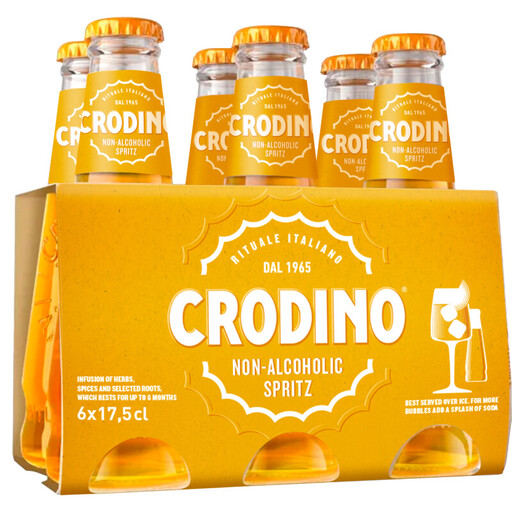
Why it suits this profile: The multipack of six small bottles is a practical way to try alcohol-free spritz without having to open a large bottle. Serve chilled over ice with a slice of orange.
The serving sizes and product type are clearly stated, so you don’t have to rely on the name or packaging alone.
Six 175 ml bottles, sparkling and made with herbs and fruit extracts. According to the product information, it contains none of the 14 major EU allergens.
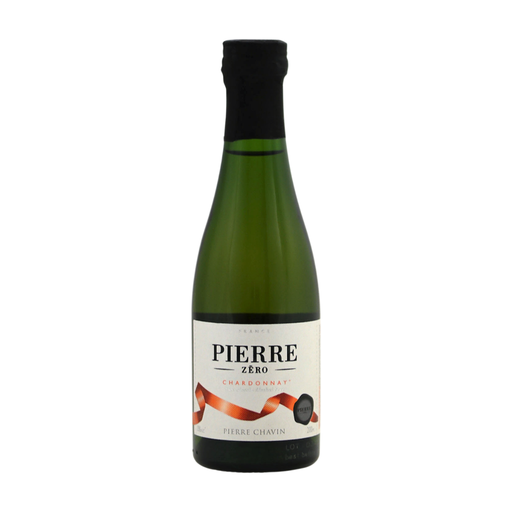
Why it suits this profile: The 200 ml single-serve bottle is ideal for an aperitif on your own or a light meal with salad, fish or chicken.
The alcohol content of 0.0% vol and the nutritional information are clearly stated. The sulphite content is also listed as an allergen.
Dealcoholised Chardonnay, 19 kcal per 100 ml and a handy screw cap. The product description mentions fresh, fruity aromas.
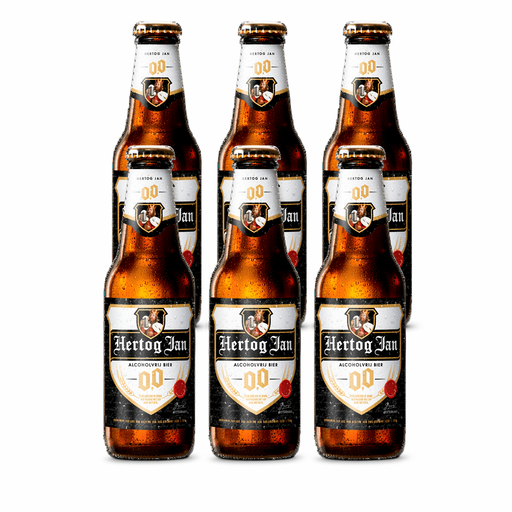
Why it suits this profile: A multipack of 300 ml pilsners is a good fit for regular occasions such as meals, barbecues or social gatherings.
The product information clearly states the type, volume, ingredients and allergens. This makes it easy to compare with other alcohol-free beers.
Six 300 ml pilsners made with water, malted barley, maize, hops, sugar and natural flavourings. The alcohol content is listed as 0%.
We’ve put together a complete, up-to-date list of products that meet these strict selection criteria and current European safety requirements.
Alcohol-free beer is a beer alternative with a low or zero alcohol content, depending on what the label says. A 0.0% drink has its alcohol content stated as 0.0% or 0%. If avoiding alcohol completely is important to you, always check the current packaging.
Keep an opened bottle chilled and tightly sealed. Follow the instructions on the label. Small 200 ml bottles are handy if you usually want just one serving. A 750 ml bottle is better suited to a dinner with several people.
Compare the alcohol content, volume, sugar and calorie content, allergens, pack size and serving suggestions. Also consider whether you need an individual bottle, a multipack or a larger bottle. This will help you choose something that suits the occasion and avoid unnecessary waste.
