
Vandaag of morgen in huis

Kwaliteit gegarandeerd

Welkomstaanbiedingen ontgrendelen: GRATIS bezorging | Tot 80% korting | Gratis 30 dagen JoyPlus-proefperiode
Download de app
Alcohol-free drinks now come in many forms: from alcohol-free beer and fruity drinks to alcohol-free mocktails, kombucha and sparkling drinks without alcohol. This wide selection does not always make choosing easy. Eye-catching packaging or a name such as “mojito” or “spritz” reveals little about the sugar content, serving size or ingredients.
Comparing products carefully helps you avoid a disappointing purchase. Pay particular attention to the nutritional information, the quantity per pack and the difference between a ready-to-serve mocktail and an ordinary alcohol-free soft drink.
A drink can contain no alcohol and still provide a relatively high amount of sugar. According to the product information, Sir James Passionfruit Martini Mocktail contains 12.5 grams of sugar per 100 ml. In a 250 ml bottle, that works out at around 31 grams of sugar per pack.
Schweppes Mojito also contains 9.3 grams of sugar per 100 ml. Mogu Mogu Grape contains 12 grams of sugar per 320 ml, as well as pieces of nata de coco. If you are looking for sugar-free or low-calorie drinks, always check the nutrition table.
A “spritz without alcohol” or “mojito without alcohol” may be a ready-to-serve drink that only needs to be chilled. Other versions are mainly flavoured sparkling water. According to the label, SPA Touch Sparkling Mocktail Mojito consists of 99.9% sparkling natural mineral water and natural flavouring, with 0 kcal and 0 grams of sugar per 100 ml.
That is different from a sweeter mocktail containing fruit juice, syrup or sugar. So consider beforehand whether you want a distinctly sweet taste or a light thirst quencher.
A 1-litre bottle may seem convenient for a party, but once opened, the drink needs to be refrigerated and used within the stated period. Small bottles or cans are easier to distribute individually, while multipacks may be more suitable for drinks and nibbles or dinner.
So compare the price per litre, not just the price of the box. Also check whether the packaging is made of cans, glass or plastic, and whether a deposit applies.
Use the values per 100 ml to compare different drinks fairly. Look at:
The product information lists SPA Touch Strawberry Daiquiri and SPA Touch Passion Fizz as containing 0 kcal, 0 grams of sugar and no sweeteners. Nexba Ginger Lemon Kombucha lists 2 kcal and 0 grams of sugar per 100 ml and uses, among other ingredients, erythritol and steviol glycosides. Always check the current label on the specific pack.
“Sugar-free” does not automatically mean that a drink is unsweetened or flavourless. Sweeteners can affect the taste. When choosing an alcohol-free soft drink, it is therefore useful to read both the ingredients list and the nutritional information.
Look for the precise designation 0.0% or alcohol-free. An alcohol-free option can be practical for drivers, but if you are pregnant, taking medication or avoiding alcohol completely, always check the label and ask a doctor or midwife for advice if in doubt. A marketing name alone is not enough.
With alcohol-free beer, taste, bitterness and malt also play a role. Liefmans Fruitesse Alcohol-Free states 0.0% alcohol and, according to the product information, contains barley among other ingredients. This is relevant for people who need to avoid allergens or gluten.
For parties, 250–330 ml bottles or cans are easy to manage. A 1-litre bottle is better suited to a shared table or when you want to top up glasses. Also check the serving instructions:
After opening, follow the information on the packaging. Various SPA Touch options state that they should be refrigerated and consumed within the specified period.
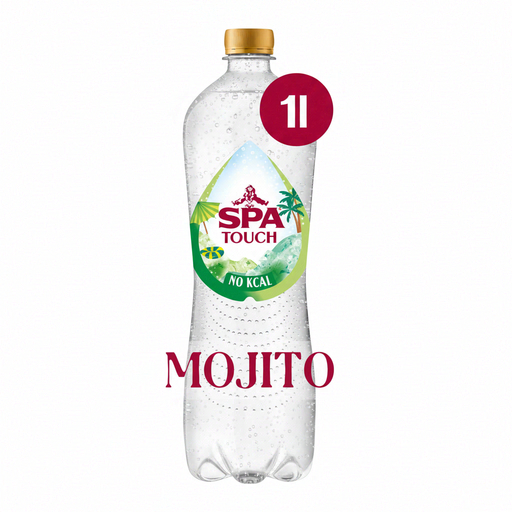
Why it suits this profile: The 1-litre bottle is suitable for trying at home or sharing during a casual get-together. According to the product information, the drink contains 0 kcal and 0 grams of sugar per 100 ml.
The nutritional values make it clear that a mocktail flavour is not the same as a sugary soft drink. Do check the price per litre.
1 litre; sparkling mineral water; according to the label, free from sugar and sweeteners.
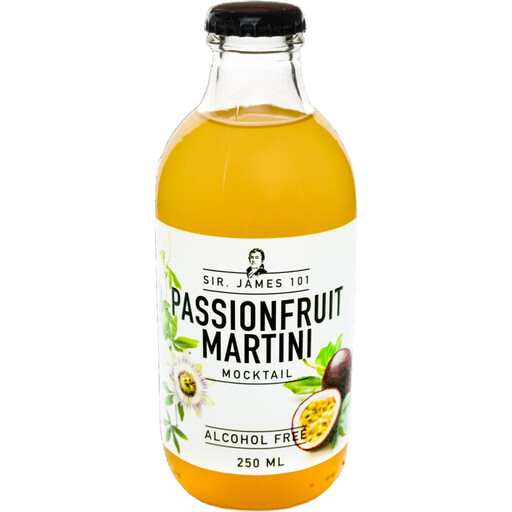
Why it suits this profile: The 250 ml serving and suggested serving method in a martini or champagne glass make it a good fit for dinner or a special occasion.
The packaging contains a single serving, so you are less likely to be left with an opened large bottle. However, the drink does contain sugar.
Ready to serve; 250 ml per bottle; 51 kcal and 12.5 grams of sugar per 100 ml according to the product information.
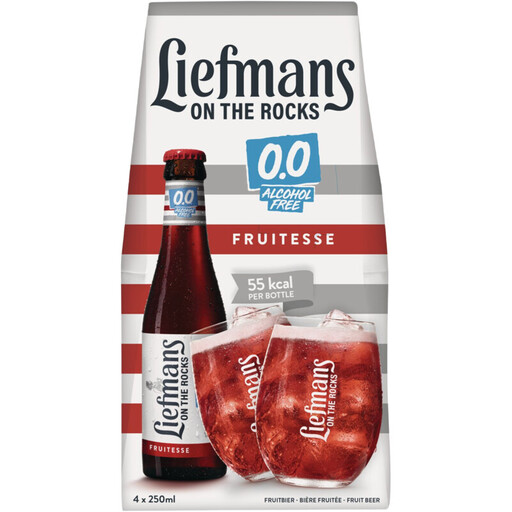
Why it suits this profile: The four 250 ml bottles are practical for several guests and offer a fruity alternative to alcohol-free beer or ordinary soft drinks.
The contents are already divided into individual servings. Please note: the product lists barley as an allergen and contains sugars and sweeteners.
0.0% alcohol according to the product information; 22 kcal per 100 ml; fruit blend including cherry, raspberry and strawberry.
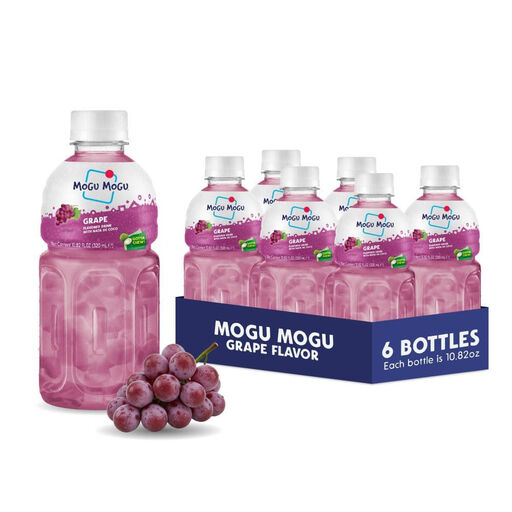
Why it suits this profile: The grape flavour and nata de coco give the drink a different texture from standard soft drinks. The multipack is useful for lunchboxes or drinks at parties.
The product information clearly states 320 ml per bottle and 12 grams of sugar per 320 ml. This makes it clear in advance that it is not a sugar-free choice.
6 bottles of 320 ml; 52 kcal per 320 ml; according to the label, none of the 14 major EU allergens.
We have compiled a complete, up-to-date list of products that fully meet these strict selection criteria and the applicable European safety regulations.
Choose according to the occasion:
Not necessarily. Check the stated alcohol percentage and the full product information. If you want to avoid alcohol completely, “0.0%” is the clearest indication, but also check the current label. If in doubt, it is better to choose a drink without alcohol and without an alcohol-related flavour base, such as flavoured sparkling water.
According to the product information provided, SPA Touch Strawberry Daiquiri, SPA Touch Mojito and SPA Touch Passion Fizz contain 0 kcal per 100 ml. Nexba Ginger Lemon Kombucha contains 2 kcal per 100 ml. Always compare products per 100 ml, as a larger bottle or multiple servings can change the total intake.
This varies by product. Store opened sparkling drinks in the fridge and follow the timeframe stated on the packaging. SPA Touch, for example, advises refrigeration after opening and consumption within the specified period. Close the bottle securely and do not use a product whose seal was damaged when you bought it.
