
Vandaag of morgen in huis

Kwaliteit gegarandeerd

Welkomstaanbiedingen ontgrendelen: GRATIS bezorging | Tot 80% korting | Gratis 30 dagen JoyPlus-proefperiode
Download de app
Alcohol-free beer is now available in many varieties, from alcohol-free lager and IPA to radler, wheat beer, fruit beer and international malt drinks. Yet the packaging can sometimes look more alike than the contents. If you focus only on the words “0.0” or a familiar brand name, you could end up buying a drink that does not match your preferred flavour, nutritional requirements or occasion.
Pay particular attention to these three common pitfalls:
The 0.0 beer designation is relevant for drivers, people who consciously choose not to drink alcohol and consumers looking for an alcohol-free drink for social occasions. However, always check the current packaging and product information. Recipes and labels can change.
Alcohol-free lager usually has a light, accessible flavour profile. If you are looking for more hop character and bitterness, consider alcohol-free IPA. For a fresher, fruitier option, alcohol-free radler and fruit beer are suitable choices. Alcohol-free wheat beer can offer a softer alternative.
Pregnant people should check the label carefully and consult a midwife or doctor if in doubt. A 0.0% statement on the packaging is important, but it does not replace personalised medical advice.
Check the ingredients list before buying alcohol-free beer. Many products contain barley malt, wheat or other gluten-containing grains. This applies, for example, to Leffe Blond 0.0, Brand IPA 0.0 and Texels Skuumkoppe 0.0. Lowlander 0.0 White Beer also states that the product is vegan.
Also look out for added sugars, fruit juice, sweeteners and flavourings. A radler or fruit beer may have a different sugar content from an alcohol-free lager. For example, Malta Guinness lists 11 grams of sugar per 100 ml, while Kirin Free contains 18 kcal per 100 ml according to the product information. So compare the full nutritional table, not just the front of the packaging.
A single 300 or 330 ml bottle is a convenient way to try a flavour. A multipack of six, twelve or twenty-four bottles or cans may be more practical for parties or regular use. Convert the price to price per litre before comparing different pack sizes.
Also check:
A large multipack is not automatically better value if you are not yet familiar with the flavour. If in doubt, start with one pack and then move on to buying 0.0 beer in larger quantities.
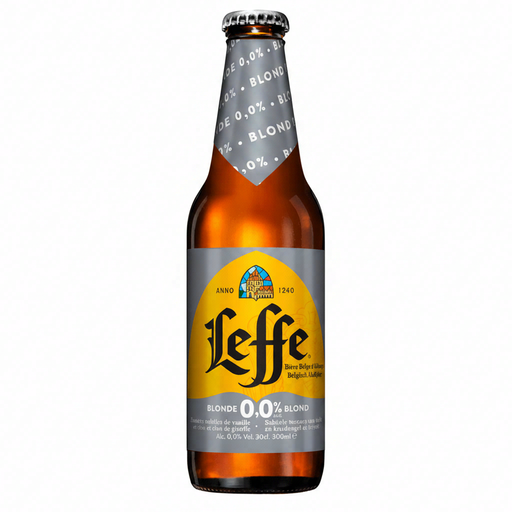
Why it suits this profile: A single 300 ml bottle makes it easier to try an alcohol-free speciality beer without immediately committing to a large multipack.
The alcohol content is listed as 0.0%. The serving size is clear, making it easy to assess the price and nutritional values.
300 ml per bottle; product information states 0.0% alcohol and a flavour with subtle sweetness and aromatic hops.
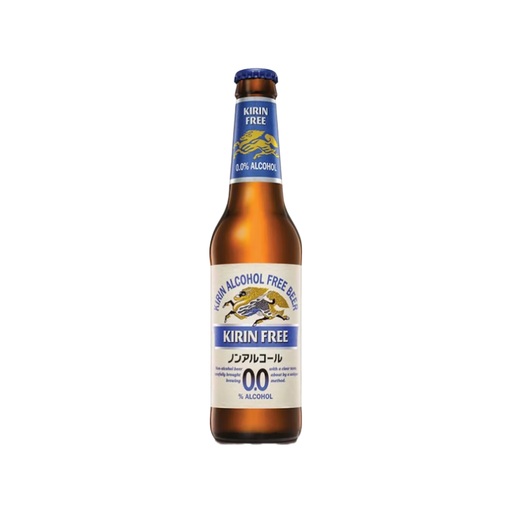
Why it suits this profile: This Japanese lager is an option for anyone looking for a light, clean beer profile and a distinctive international product.
The product information states 0.0% alcohol and a nutritional value of 18 kcal per 100 ml. This gives you two important comparison points straight away.
330 ml bottle; four listed main ingredients: water, barley malt, barley and hops.
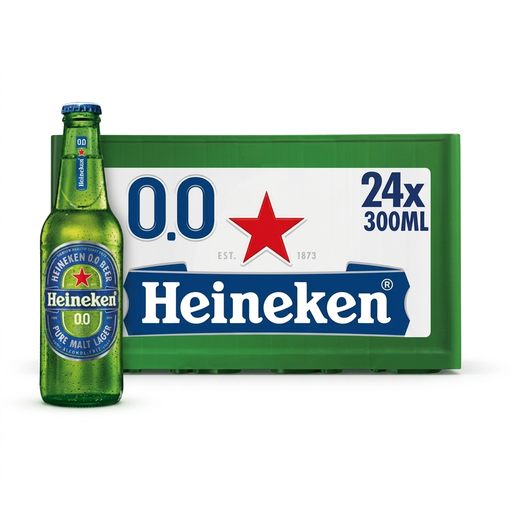
Why it suits this profile: A case of 24 bottles is ideal for households, sports clubs or gatherings where alcohol-free lager is served regularly.
The packaging states 24 x 300 ml and 0.0% alcohol. This makes it easy to plan your stock and compare it with other multipacks.
24 bottles of 300 ml; product description mentions fruity notes and a lightly bitter finish.
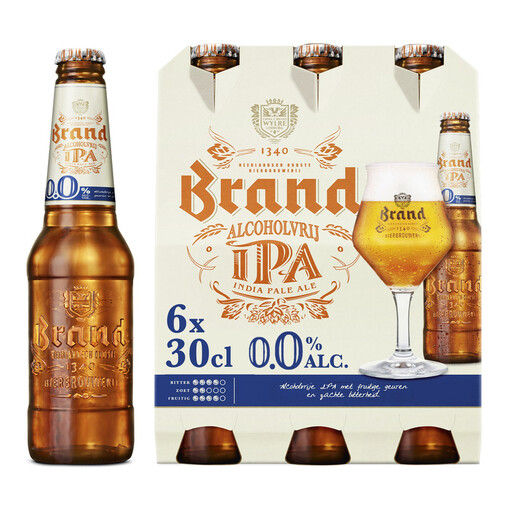
Why it suits this profile: A six-pack of alcohol-free IPA is ideal if you want more hop character, fruity aromas and bitterness than you would get from a standard alcohol-free lager.
The product details specify 0.0% alcohol, six 300 ml bottles and gentle bitterness. This tells you in advance which flavour profile and volume you are buying.
IPA category; 6 x 300 ml; listed nutritional values of 24 kcal and 5.9 grams of carbohydrates per 100 ml.
We have put together a complete, up-to-date list of products that fully meet these strict selection criteria and the applicable European safety regulations.
A product marked 0.0% is described as alcohol-free, but always check the current label and product information. The terms “alcohol-free” and “non-alcoholic” can vary from product to product. If you do not want to consume alcohol, choose a clearly labelled 0.0 option.
This varies by brand and recipe. In the range, Kirin Free lists 18 kcal per 100 ml, while Brand IPA 0.0 lists 24 kcal per 100 ml and Amstel Radler 0.0 lists 28 kcal per 100 ml. Always compare values per 100 ml, and also check the sugar and carbohydrate content.
Store bottles and cans in a cool, dry place away from direct sunlight and excessive heat. After opening, reseal the packaging properly and follow the instructions on the label. Check the best-before date before drinking, and consume an opened product within the recommended time.
