
Vandaag of morgen in huis

Kwaliteit gegarandeerd

Welkomstaanbiedingen ontgrendelen: GRATIS bezorging | Tot 80% korting | Gratis 30 dagen JoyPlus-proefperiode
Download de app
Alcohol-free beer is now available as lager, IPA, wheat beer, radler, fruit beer and Belgian abbey beer. However, eye-catching packaging tells you little about what is actually inside the bottle. When buying alcohol-free beer online, it is worth comparing the alcohol content, nutritional values and packaging first.
This applies to drivers, people who exercise and anyone who does not want to drink alcohol during a meal or social occasion. If you want to avoid alcohol during pregnancy, it is also sensible to check the label and product information carefully.
Not every alcohol-free or low-alcohol beer has exactly the same alcohol content. Some products are labelled 0.0%, while a variant such as Jopen Non IPA contains 0.3% alcohol. If you want to avoid alcohol completely, do not just look at the front of the can or bottle. Check the stated alcohol percentage instead.
Words such as “full-bodied”, “fresh” and “fruity” are subjective descriptions. Look for verifiable information such as the beer style, hops used, types of malt and ingredients. For example, an alcohol-free IPA often contains hops or hop extract, while a radler may also contain fruit juice, flavourings and sugar.
A brand’s own research may claim that a product has “the same taste” as a traditional beer. This is a brand claim, not a guarantee for every drinker. Use the product description as a guide, but focus primarily on comparing the ingredients and nutritional values.
A 6-pack of alcohol-free beer is practical for a barbecue or your stock cupboard, but it is not always better value if you are not yet familiar with the taste. Also check the size: the range includes bottles of 250, 300 and 330 ml, among others. A box of 24 bottles is suitable for frequent use, but less convenient if you want to try several styles first.
First choose the alcohol level that suits your situation:
If you are driving or are in another situation where you want to avoid alcohol completely, it is advisable to choose a product explicitly labelled 0.0% and check the current packaging.
The style gives you an initial indication of what to expect:
Compare the nutritional value per 100 ml, not just per bottle. In the product information provided, for example, the energy content ranges from 18 kcal per 100 ml for Hertog Jan Pilsner 0.0 to 40 kcal per 100 ml for Leffe Blond 0.0. Radler and fruit beer may have a different carbohydrate profile because of fruit juice, sugar or sweeteners.
Also check the allergens. Many products contain barley, wheat or other gluten-containing cereals. Check the ingredients list if you have allergies or specific dietary preferences. Also look at the total volume, deposit and best-before date on the packaging.
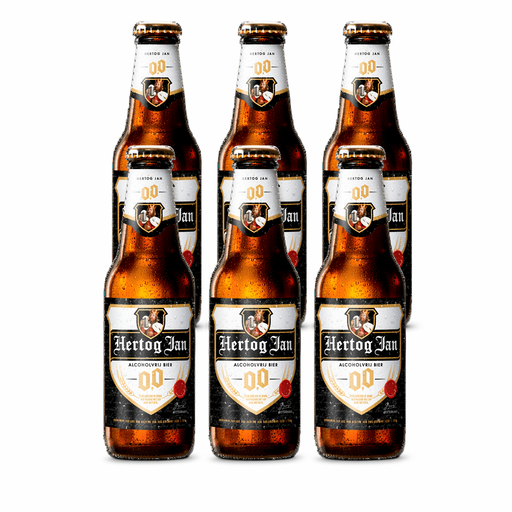
Why it suits this profile: A 6-pack of lager is an accessible choice for a first order or a small stock-up for entertaining.
The product information states 0% alcohol and lists the ingredients and nutritional values, so you do not have to rely on the packaging alone.
6 bottles of 300 ml; described as a lager with light bitterness and 18 kcal per 100 ml.
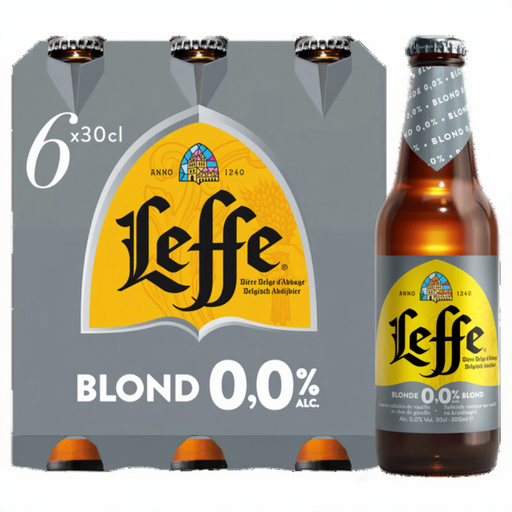
Why it suits this profile: The Belgian abbey style is a good match for drinkers looking for more than a standard lager and wanting to serve beer with a meal.
The product description states that it has 0% alcohol and a lightly bitter, fruity flavour, with recognisable notes of vanilla and clove.
6 bottles of 300 ml; suitable for fans of alcohol-free Belgian beer with a distinctive flavour profile.
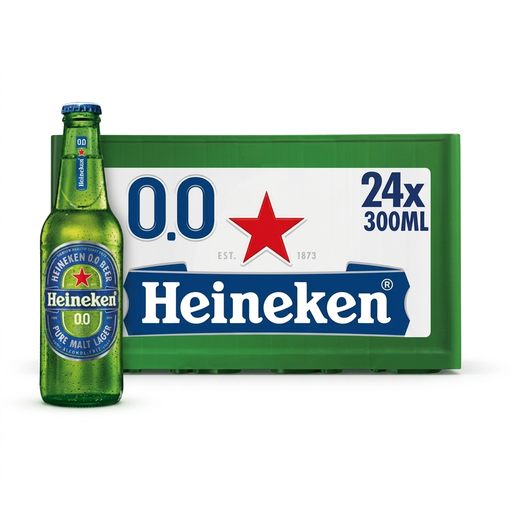
Why it suits this profile: The larger format is ideal for households, clubs and social occasions where alcohol-free beer is served regularly.
The product page states 0.0% alcohol, 24 bottles of 300 ml and a lightly bitter finish. This makes the volume and alcohol level clear in advance.
24 x 300 ml; described as having fruity notes and light bitterness.
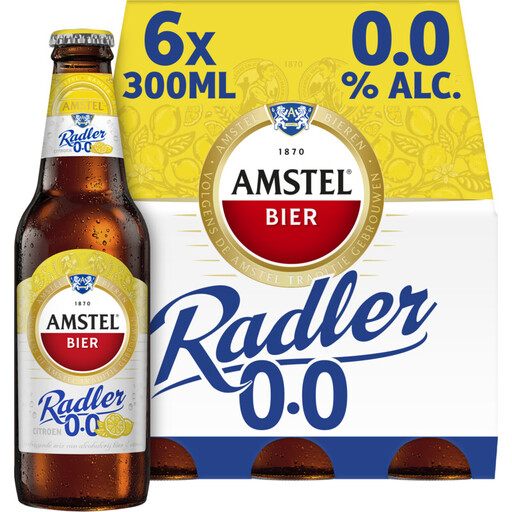
Why it suits this profile: The combination of alcohol-free beer and citrus flavour is ideal for anyone looking for a lighter, fresher drink instead of a classic lager.
The product information clearly states 0.0% alcohol, the 6 x 300 ml format and the presence of citrus juice and 5.6 g of sugars per 100 ml.
Lemon radler in a 6-pack; 28 kcal per 100 ml according to the nutritional information provided.
We have compiled a complete, up-to-date list of products that fully meet these strict selection criteria and the applicable European safety regulations.
A label such as 0.0% indicates the stated alcohol level of the product. For peace of mind, always check the label and current product information. A product containing 0.3%, such as Jopen Non IPA, does not belong to the same category as a variant labelled 0.0%.
This varies by product and recipe. The information provided lists Hertog Jan Pilsner 0.0 at 18 kcal per 100 ml, Heineken Premium Pilsener 0.0 at 21 kcal and Brand IPA 0.0 at 24 kcal. Always compare per 100 ml, as bottle sizes may differ.
Store bottles and cans in a cool place away from direct sunlight. Avoid significant temperature fluctuations. Check the best-before date before purchasing and consuming, and do not use the packaging if the seal is damaged. Once opened, keep the bottle closed and ideally drink the product straight away.
