
Vandaag of morgen in huis

Kwaliteit gegarandeerd

Welkomstaanbiedingen ontgrendelen: GRATIS bezorging | Tot 80% korting | Gratis 30 dagen JoyPlus-proefperiode
Download de app
Alcohol-free beer is now available as pilsner, IPA, radler, fruit beer and speciality beer. Yet the differences between products can be greater than the label suggests. If you only look at “0.0” or a familiar brand name, you may end up buying a drink that does not suit your preferred taste, packaging or nutritional values.
This practical buying guide helps you compare 0.0 beer, ingredients, serving sizes and packaging. You will then find some targeted recommendations for different occasions.
Not every product described as alcohol-free carries exactly the same wording on the label. Some drinks contain a small amount of alcohol, such as Jopen Non IPA with 0.3%. If you want to avoid alcohol completely, it is wise to check that the product packaging clearly states 0.0% or 0%.
Also pay attention to the latest product information. Recipes, labels and nutritional values can change, so the packaging you receive should always be treated as definitive.
Words such as “full-bodied”, “authentic” or “refreshing” do not tell you exactly what an alcohol-free pilsner will taste like. Instead, look at the type of beer and the ingredients:
Brand descriptions are commercial information. A claim about flavour or the brewing process should therefore be read as the brand’s product description, not as a guaranteed personal taste experience.
A single bottle may seem good value, but for a barbecue, birthday or stock cupboard, an alcohol-free beer 6-pack or alcohol-free beer 24-pack may be more practical. Always compare the price per litre and check the number of bottles or cans.
Also consider the size. A pack with 6 bottles of 300 ml contains less than a 6-pack with 330 ml bottles. A larger pack is not automatically better value if you do not drink much or have limited storage space.
Check whether you are looking for 0.0 beer, 0% beer or a low-alcohol product. For drivers, people avoiding alcohol and occasions when you do not want to serve alcohol, an explicit 0.0 indication is an important selection criterion.
Many alcohol-free beers contain water, malt, hops and sometimes sugar, glucose syrup, flavourings or fruit juice. Barley and malt generally mean that the product contains gluten. Check the allergen information if you are sensitive to gluten, barley, wheat or oats.
One example is Kirin Free: according to the product information, this beer consists mainly of water, barley malt and hops. The packaging for Kirin Free also states 18 kcal per 100 ml. See the product information for Kirin Free 0.0% for the latest details.
Nutritional values are often stated per 100 ml, while you drink the beer by the bottle. You should therefore calculate the values based on the contents of the packaging. A 300 ml bottle contains three times the amount shown in the table per 100 ml.
Examples from the available product information:
A radler or fruit beer can therefore differ significantly from an alcohol-free pilsner, particularly because of fruit juice and added sugars.
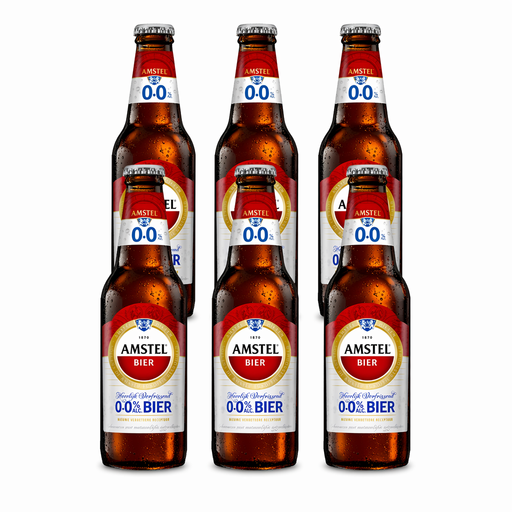
Why it suits this profile: A 6-pack with 300 ml per bottle is a manageable choice for anyone buying alcohol-free pilsner for the first time and not wanting to order a large supply straight away.
The product information states 0% alcohol and provides ingredients and nutritional values per 100 ml. This allows you to check the contents and composition in advance.
6 bottles of 300 ml; 0% alcohol; according to the product information, 76 kJ and 4.3 g of carbohydrates per 100 ml.
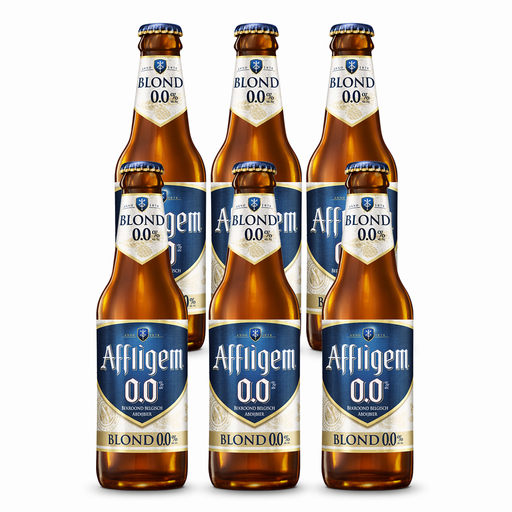
Why it suits this profile: This alcohol-free speciality beer is aimed at drinkers looking for more than a standard lager and wanting to serve a blond abbey beer with a meal or during a relaxed moment.
The product information states 0.0% alcohol, a light bitterness and ingredients such as barley malt, hops and hop extract. You are therefore choosing based on beer type and verifiable details.
Belgian blond abbey beer; 6 bottles of 300 ml; according to the product information, 0.0% alcohol and 109 kJ per 100 ml.
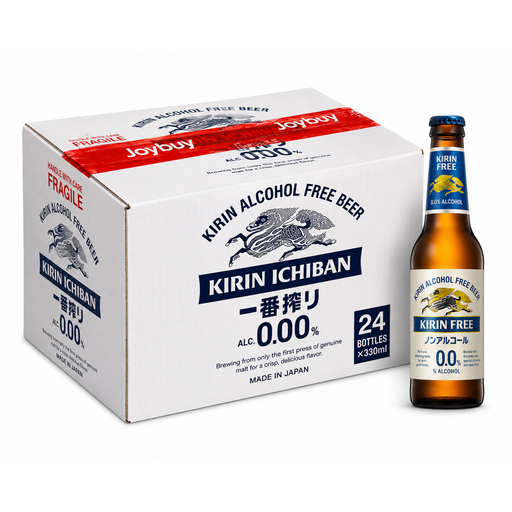
Why it suits this profile: The 24-pack is suitable for parties, keeping a regular supply or frequent use. Its Japanese lager style offers an alternative to familiar Dutch pilsners.
The product information states 0% alcohol, a pack size of 24 bottles of 330 ml and a short ingredients list. This helps you avoid uncertainty about the quantity and composition.
24 bottles of 330 ml; according to the product information, 18 kcal per 100 ml; ingredients: water, barley malt and hops.
We have compiled a complete, up-to-date list of products that fully meet these strict selection criteria and the applicable European safety regulations.
A product marked 0.0% or 0% is intended as an alcohol-free alternative, but always check the label and the latest product information. “Low alcohol” is not the same as 0.0 beer. For example, Jopen Non IPA states 0.3% alcohol, placing it in a different category.
A pilsner or lager, such as Amstel Pils 0.0, Heineken 0.0 or Kirin Free, often works well with lighter meals. An alcohol-free IPA with citrusy hop notes can complement spicy dishes. A radler is particularly suitable if you are looking for a fruity, sweeter taste. The brand’s product description provides an indication, but personal preference remains the deciding factor.
Store bottles or cans in a cool, dry place, away from direct sunlight and significant temperature fluctuations. Chill the beer before serving. Check the best-before date and packaging when your order arrives. If a cap or seal is damaged, do not use the product.
