
当日/次日达

品质保障

开启新人专享福利: 全场免邮 | 低至 2 折 | 免费试用 30 天 JoyPlus 会员
下载 Joybuy
Alcohol-free beer is no longer limited to just one type of lager. The range includes 0.0 beer, alcohol-free lager, alcohol-free IPA, wheat beer and fruit beer. Even so, it can be difficult to decide what suits you based on a label or product photo alone.
Pay particular attention to three common pitfalls:
Confusing “alcohol-free” with “0.0”
The wording on the packaging is decisive. Check the alcohol percentage for each product, especially if you do not want to drink any alcohol at all. A product listed as 0.0% in the product information is not automatically identical to every other alcohol-free beer.
Looking only at the brand
Hertog Jan 0.0, Heineken 0.0 and Corona Cero each have a different flavour profile, size and number of bottles per pack. A well-known brand therefore does not tell you everything about the best choice for your occasion.
Overlooking the contents and nutritional values
A 6-pack of alcohol-free beer is practical for a dinner or party, while individual bottles are better if you want to try a flavour first. Also check carbohydrates, sugars and calories if they are relevant to your purchasing decision. Always use the current packaging as your reference.
Check whether the label states 0.0%, 0% or another indication. The product information for Heineken 0.0, Corona Cero and Hertog Jan 0.0, for example, lists 0.0% alcohol. Check the current packaging, ingredients list and nutritional information for every order.
If you are going to drive, alcohol-free beer may be worth considering as an alternative to regular beer. Drink responsibly and do not rely solely on the product name. For people who avoid alcohol completely, such as during pregnancy or for personal reasons, it is sensible to read the label carefully and seek advice from a qualified healthcare professional if in doubt.
The main differences are bitterness, sweetness, hop aroma and body:
Flavour descriptions cannot guarantee that you will enjoy a product. Brand descriptions come from the manufacturer or seller, so try a smaller pack if you are unsure.
Pay attention to the number of bottles and the volume per bottle. The range includes 250 ml, 300 ml and 330 ml options, among others. A pack of 12 or 24 is convenient for regular use, but less suitable if you want to try a new type first.
Store alcohol-free beer in a cool, dry place away from direct sunlight. Avoid major temperature fluctuations. Before use, check that the cap or seal is intact and consult the best-before information on the packaging.
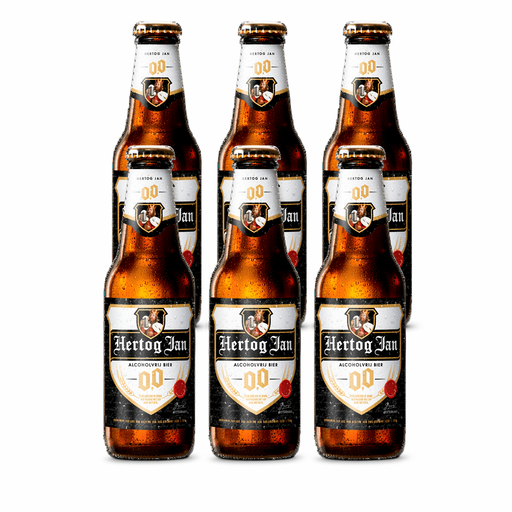
Why it suits this profile: A manageable 6-pack with 300 ml per bottle is ideal for trying alcohol-free lager without immediately buying a large stock.
The product information states 0% alcohol and specifies the ingredients and allergens. Check the current values on the packaging too.
6 bottles of 300 ml; pilsner-style beer with, according to the product description, a crisp flavour and light bitterness.
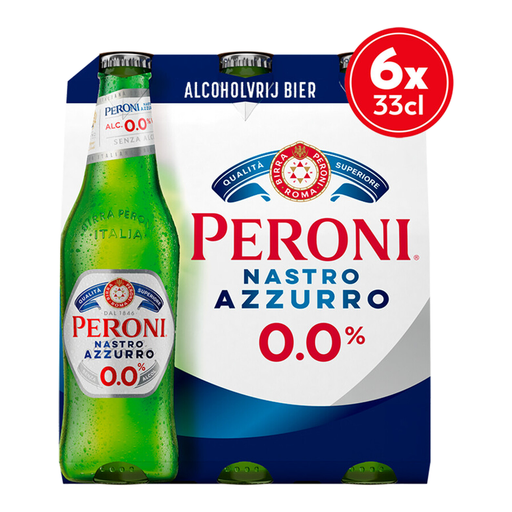
Why it suits this profile: This is a good match for meals with pizza, pasta or antipasti. The product description mentions citrus aromas and light bitterness.
The contents, alcohol percentage and nutritional values are clearly stated, so you do not have to judge it on its premium appearance alone.
6 bottles of 330 ml; 0.0% alcohol according to the product information; 23 kcal per 100 ml according to the stated nutritional value.
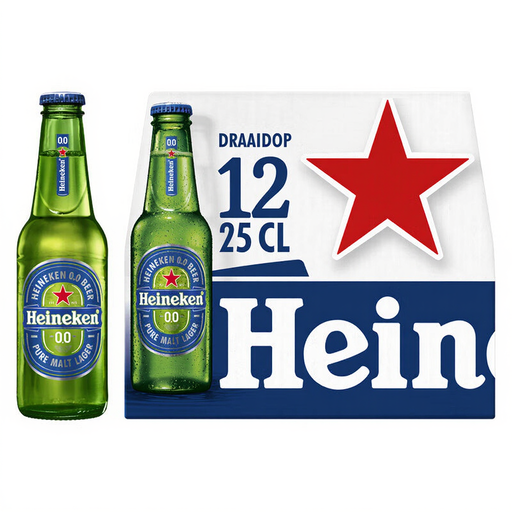
Why it suits this profile: The 12 small bottles are practical for a gathering, drinks with friends or keeping a stock when you want a 250 ml serving.
The number of items and bottle size are clear from the outset. The product information also states 0.0% alcohol and a lightly bitter finish.
12 x 250 ml; 21 kcal and 1.3 grams of sugar per 100 ml according to the stated nutritional values.
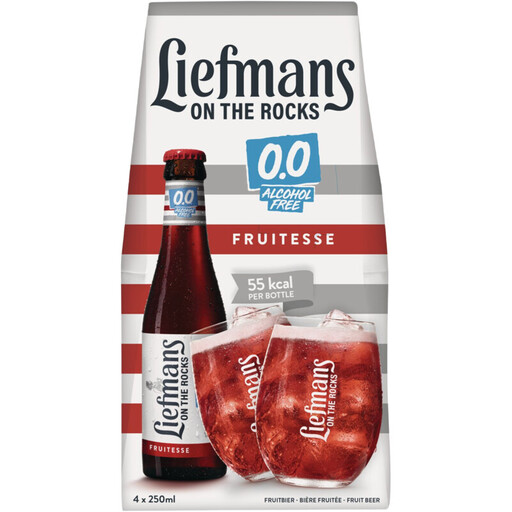
Why it suits this profile: This fruity variant is ideal for social occasions when you are not looking for a classic lager, but a lightly sweet, sparkling flavour.
The packaging states 0.0%, 4 x 250 ml and the fruit varieties used. It also indicates that the product contains sugars and sweeteners.
4 bottles of 250 ml; 22 kcal per 100 ml according to the product information; contains barley and is therefore not suitable for everyone.
We have put together a complete, up-to-date list of products that fully meet these strict selection criteria and the applicable European safety regulations.
Use this quick checklist:
Not always. “0.0” refers to the alcohol percentage stated on the product, while “alcohol-free” as a category can cover several types of labelling. Always check the exact percentage on the packaging.
The best-before date is shown on the bottle, can or packaging. Store the product according to the manufacturer’s instructions. Direct sunlight, heat and significant temperature fluctuations can affect its quality.
Lager often goes well with simple appetisers and snacks. According to the product description, Peroni Nastro Azzurro 0.0 is recommended with pizza, pasta and antipasti. An alcohol-free IPA can complement spicy dishes, while fruit beer is more suited to those who prefer a sweeter or fruitier flavour. Ultimately, the choice depends on your personal taste.
