
Vandaag of morgen in huis

Kwaliteit gegarandeerd

Welkomstaanbiedingen ontgrendelen: GRATIS bezorging | Tot 80% korting | Gratis 30 dagen JoyPlus-proefperiode
Download de app
Alcohol-free beer is now available as pilsner, wheat beer, IPA and radler. That makes choosing easier, but also more challenging. An eye-catching label does not always tell you enough about what is inside. If you focus only on the brand name, discount or term “alcohol-free”, you could end up with a flavour you do not enjoy, a pack that is too large or a variety that still contains a small amount of alcohol.
This buying guide helps you compare alcohol-free beer by alcohol percentage, beer type, nutritional information, allergens and pack size. That way, you can make a more informed choice between a single bottle, an alcohol-free beer 6-pack or an alcohol-free beer 24-pack.
Check the exact percentage on the label. A product with 0.0% is positioned differently from low-alcohol beer containing, for example, 0.3% alcohol. According to the product information, Jopen Non IPA contains 0.3% alcohol and is therefore classed as low-alcohol beer, rather than beer with 0.0%.
If you want to avoid alcohol completely, for example because you are driving or do not drink alcohol for personal reasons, it is wise to choose only products with a clearly stated 0.0% percentage. If in doubt, always check the packaging and the latest product information.
Alcohol-free pilsner is generally fresh and lightly bitter, while alcohol-free wheat beer often tastes softer and fuller. An alcohol-free IPA may have more pronounced hop aromas. A radler combines beer with citrus flavours and is usually noticeably sweeter.
So do not just look for the words “beer without alcohol”; also check the type:
A 24-pack may seem convenient for a party, sports club or regular use, but it requires more storage space and means spending more at the time of purchase. A 6-pack is more practical when you are trying a product for the first time. Also compare the price per litre, rather than just the price of the box. For example, a pack of 6 x 300 ml contains less drink than a pack of 6 x 500 ml.
Look at the precise alcohol percentage, such as 0.0%, 0% or 0.3%. Treat the manufacturer’s description as product information, not as a guarantee of a personal outcome. According to brands’ own product information, flavour, aroma and brewing process can vary between varieties.
For pregnant women, people avoiding alcohol and drivers, it is particularly important to read the full packaging. The term “alcohol-free” on its own is not enough to base a choice on when every trace percentage must be excluded.
Check the ingredients list and allergens. Many alcohol-free beers contain barley malt, and therefore cereals containing gluten. For example, Lowlander 0.0% White Beer lists barley malt and cereals containing gluten. Jopen Non IPA also lists wheat and oats.
Nutritional values can differ too. According to the product information, Heineken 0.0 contains 21 kcal per 100 ml, while Amstel Radler Lemon 0.0 contains 28 kcal per 100 ml and 5.6 grams of sugar per 100 ml. This difference is partly due to the fruity recipe. If you want to compare sugar or calories, check the table per 100 ml.
Check the number of bottles or cans, the volume per item and any deposit information. Examples from the range include:
Store alcohol-free beer in a cool place and away from direct sunlight, according to the packaging. Avoid significant temperature fluctuations. Before consuming, check the best-before date and make sure the seal is undamaged.
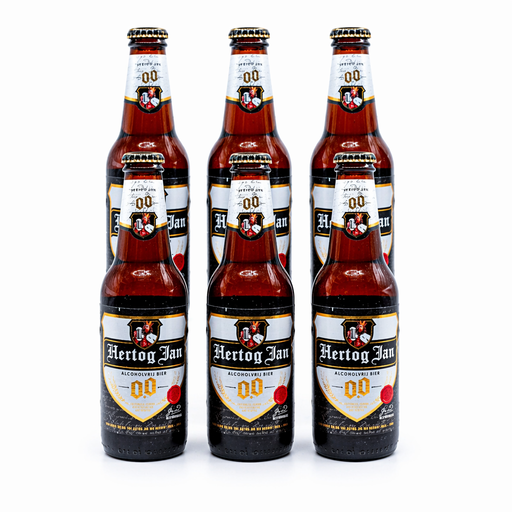
Why it suits this profile: A 6-pack keeps your first purchase manageable. The product information states 0.0% alcohol and a pilsner style with light bitterness and a fresh finish.
The alcohol percentage and contents per pack are clearly specified. You do not have to buy a large 24-pack straight away.
6 bottles of 300 ml, 0.0% according to the product information and a familiar pilsner profile. Contains barley malt and gluten.
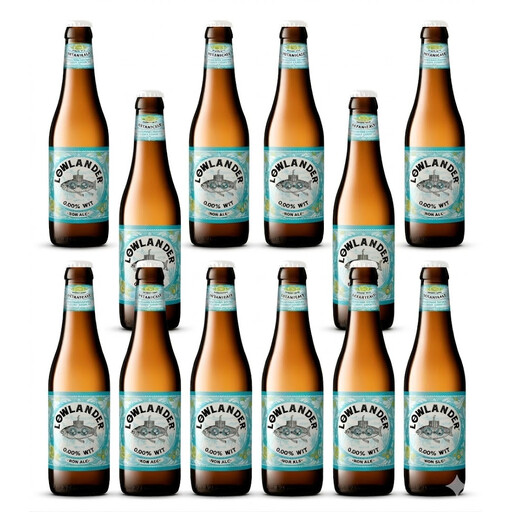
Why it suits this profile: This option moves away from standard pilsner with an alcohol-free wheat beer in a 12-pack. According to the product information, the beer is vegan and each bottle contains 330 ml.
The product name states both 0.0% and wheat beer, so you do not have to work out the flavour profile from general marketing language.
12 bottles of 330 ml, 0.0% and vegan according to the product information. Contains cereals containing gluten.
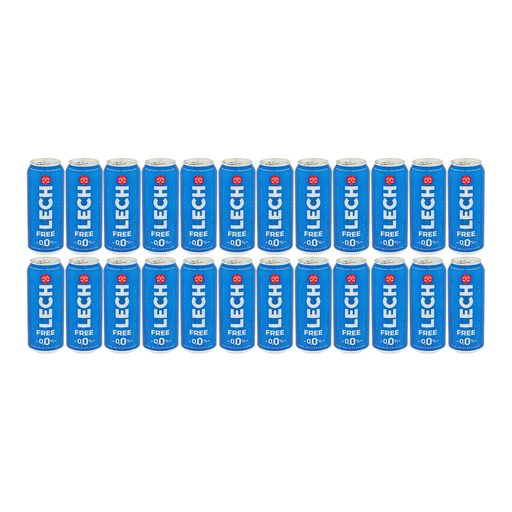
Why it suits this profile: The large pack is ideal for regular consumption at home, a gathering or an event where several guests want to enjoy an alcohol-free lager.
The quantity per bottle and the total number of bottles are clear from the outset. This makes it easier to estimate storage needs, usage and price per litre.
24 bottles of 50 cl and 0.0% according to the product description. This is an alcohol-free lager from Kompania Piwowarska.
We have put together a complete, up-to-date list of products that fully meet these strict selection criteria and the applicable European safety regulations.
For dinner or drinks, alcohol-free pilsner often pairs well with savoury dishes. Alcohol-free wheat beer can be a softer option. In warm weather, many consumers choose an alcohol-free radler because of its citrus flavour. According to the product information, Amstel Radler Lemon 0.0 contains, among other things, lemon, orange and lime juice from concentrate.
If you are looking for an IPA-style profile, pay particular attention to the alcohol percentage. Jopen Non IPA contains 0.3% alcohol, 28 kcal per 100 ml and barley, wheat and oats. It is therefore a different choice from alcohol-free 0.0% beer.
No. Check the stated alcohol percentage. Some products are 0.0% or 0%, while low-alcohol beer can also contain 0.3%. The product name and the nutritional or ingredients information on the packaging are the deciding factors.
A 6-pack is practical when you are trying a flavour for the first time or have limited storage space. A 24-pack is better suited to regular use or a festive occasion. Compare the total contents and the price per litre before placing your order.
This varies by product. Pilsner and wheat beer often contain barley malt and therefore cereals containing gluten. Radler also often contains fruit juice or sugar. Always check the ingredients list, allergen information and nutritional table on the latest packaging.
