
当日/次日达

品质保障

开启新人专享福利: 全场免邮 | 低至 2 折 | 免费试用 30 天 JoyPlus 会员
下载 Joybuy
Alcohol-free beer is a good choice with dinner, at a barbecue, at a social occasion or on an evening when you don’t want to drink alcohol. However, the options vary considerably in taste, beer style, sugar content, packaging and serving size. If you focus only on a familiar brand or a prominent offer, you could end up choosing a product that doesn’t suit your preferences as well.
This buying guide explains what to look out for before you buy alcohol-free beer. The product details are based on the available product descriptions and nutritional information.
Terms such as 0.0 beer, alcohol-free and beer with no alcohol are often used interchangeably. Always check the alcohol percentage on the label. A product such as Jopen Non IPA 0.3% contains 0.3% alcohol according to its product description, so it is not the same as a version labelled 0.0%.
If you want to avoid alcohol completely, for example because you’re driving or during pregnancy, it’s best to check the current packaging and ingredients list. Product information can change.
Alcohol-free lager often has a lighter, fresher or fruitier flavour profile than regular lager. Brands sometimes highlight how closely the taste resembles their classic beer. According to the brands’ own information, similar ingredients or brewing methods are used, but the taste still depends on factors such as malt, hops, residual sugars and how the alcohol is removed.
So look out for specific descriptions such as light bitterness, fruity notes, malty finish or spicy aromas. These tell you more than a general claim about a familiar beer taste.
A box of 24 bottles may seem like good value, but it’s not always practical if you only drink alcohol-free beer occasionally. Compare:
An alcohol-free beer offer is most worthwhile when the pack size suits how much you drink.
First, choose the type that suits the occasion:
Check whether the packaging states 0.0%, 0,0% or another percentage. Heineken 0.0, Hertog Jan 0.0 and Corona Cero are examples of products listed as 0.0% in the available information.
Alcohol-free doesn’t automatically mean sugar-free or low in calories. Check the energy, carbohydrates and sugars per 100 ml. Always compare products using the same unit, rather than looking only at the values per bottle.
A few examples from the product information:
Values can vary by recipe and packaging. Always check the label on the product you actually receive.
Many alcohol-free beers contain barley malt and cereals containing gluten. This applies, for example, to Hertog Jan 0.0, Texels Skuumkoppe 0.0, Corona Cero and Brand IPA 0.0. The available product information lists Heineken 0.0 as containing none of the 14 main EU allergens, but you should still check the packaging.
Also look out for sugar, natural flavourings, hop extracts and stabilisers. A short ingredients list doesn’t automatically tell you what the beer will taste like, but it can help you choose a product that suits your dietary preferences.
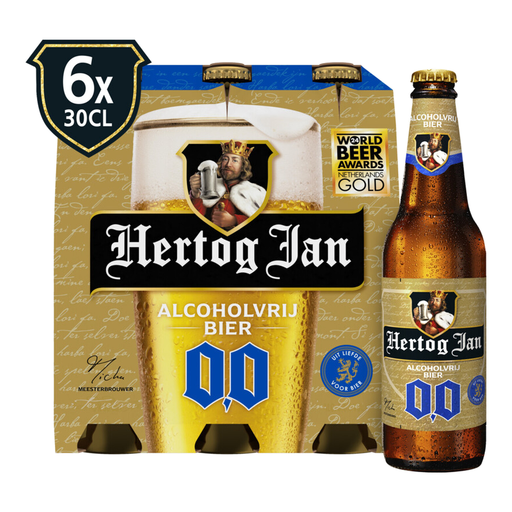
Why it suits this type of drinker: A six-pack of 300 ml bottles is a manageable choice if you’re trying alcohol-free lager for the first time or don’t want to buy in bulk. The product description says this version has a refreshing profile with fruity hop aromas and a light bitterness.
The volume and stated alcohol percentage are clearly shown, so you can check the price per bottle and the 0.0 specification before buying.
6 x 300 ml, 0% according to the product information, 18 kcal per 100 ml and a classic lager profile.
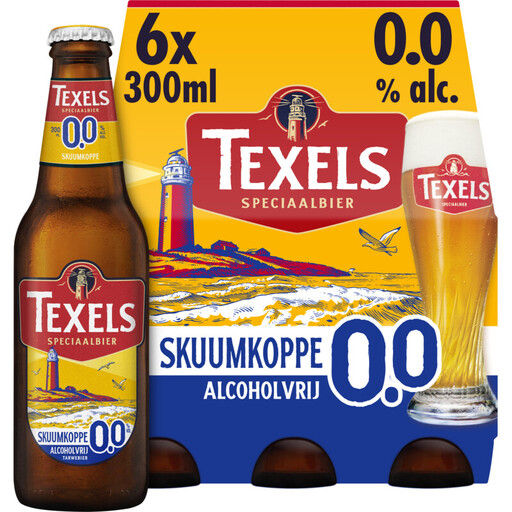
Why it suits this type of drinker: This is for anyone looking for something beyond a standard lager. The product description identifies it as a dark wheat beer with a creamy profile and notes of caramel and apricot.
The product description clearly states the beer style and flavour profile, so you’re not choosing based only on a brand name or a general alcohol-free claim.
6 x 300 ml, 0.0% according to the product information, 25 kcal per 100 ml and a dark wheat beer style.
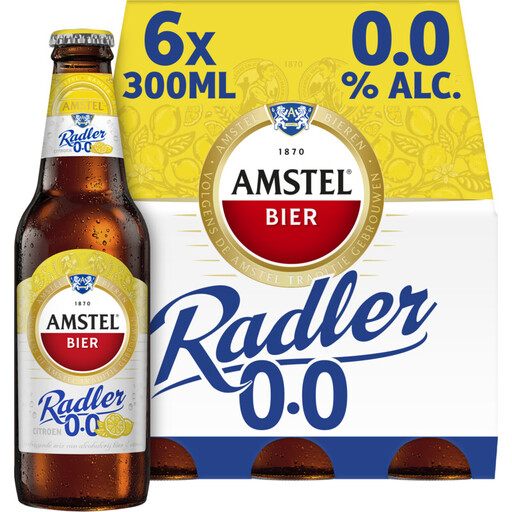
Why it suits this type of drinker: The combination of alcohol-free beer and citrus flavour is a good fit if you’re looking for a lighter, more refreshing drink after exercise or on a warm day. According to the product description, this radler contains lemon, orange, lime and acerola juice from concentrate.
The product is clearly labelled as a radler and 0.0%. Its nutritional values of 28 kcal and 6,9 grams of carbohydrates per 100 ml make it easier to compare fairly with lager.
6 x 300 ml, citrus flavour, 0.0% according to the product information and a distinctive radler profile.
We’ve put together a complete, up-to-date list of products that meet these strict selection criteria and the applicable European safety regulations.
Check the alcohol percentage and the current labelling. Products with 0.0% are sold as such, but terms such as low-alcohol or 0.3% mean something different. If in doubt, check the packaging and ingredients information.
This varies by brand, recipe and serving size. The product information mentioned above lists Hertog Jan 0.0 at 18 kcal per 100 ml, Heineken 0.0 at 21 kcal and Texels Skuumkoppe 0.0 at 25 kcal. Always compare per 100 ml, as bottles come in different sizes.
Store bottles or cans in a cool place, away from direct sunlight and sharp changes in temperature. Check the best-before information on the packaging. Once opened, it’s best to drink the product straight away and seal any opened bottle securely.
