
Vandaag of morgen in huis

Kwaliteit gegarandeerd

Welkomstaanbiedingen ontgrendelen: GRATIS bezorging | Tot 80% korting | Gratis 30 dagen JoyPlus-proefperiode
Download de app
An air purifier can help filter dust particles, pollen, smoke particles and unpleasant odours from indoor air. However, it is unwise to rely solely on terms such as “powerful”, “smart” or “suitable for large rooms”. The right choice depends mainly on the capacity, filter system and noise level.
Manufacturers sometimes state a maximum room size based on the air being refreshed just once per hour. For a living room, bedroom or office, you will usually want to know how often the air is actually circulated. That is why you should check the CADR rating, or Clean Air Delivery Rate.
A model with a high CADR can filter air more quickly, but it will often also be noisier at its highest setting. So look at the capacity that suits the way you use your room.
An air purifier with a HEPA filter is mainly designed to capture fine particles such as dust and pollen. For cooking smells, smoke and odours, an air purifier with a carbon filter is often the more logical choice. Activated carbon can adsorb certain odorous substances and gases, but the amount of carbon and how often the filter needs replacing make a difference.
A device with a thin layer of carbon is not automatically suitable for a room with a lot of smoke or strong pet odours. Check which filter layers are included and how often the filter needs to be replaced.
A quiet air purifier can be ideal for the bedroom, but the stated noise level usually applies to the lowest or sleep setting. At the highest speed, the noise may be considerably louder. Therefore, pay attention to the difference between the minimum and maximum noise levels.
CADR is usually expressed in m³/h. The higher this figure, the more filtered air the device can move per hour. Also compare the recommended room size based on multiple air changes per hour.
For a small bedroom or home office, around 100 to 150 m³/h may be sufficient, depending on the layout and how the room is used. For a living room or an air purifier for large rooms, a higher CADR is more practical.
Please note: an air purifier works most effectively in the room where it is placed. Opening doors and windows reduces its effectiveness because fresh outdoor air is constantly entering.
A typical system consists of:
Some models use an H11 or H13 filter. According to the product information provided by the respective brands, specific filtration percentages are quoted for these filters. However, these figures depend on the measurement method, particle size and conditions of use. Treat such figures as product specifications rather than a guarantee of a particular level of indoor air quality.
Also check the price and availability of replacement filters. A device with a low purchase price may work out more expensive in the long term if the filter needs replacing frequently.
A PM2.5 sensor can measure the concentration of fine particles in a room and adjust the automatic mode accordingly. A colour indicator or display makes changes visible, but it does not provide a complete picture of every substance in the air.
Smart features such as Wi-Fi, an app and voice control are useful if you want to set schedules or operate the device remotely. They are not essential for its core function. In a bedroom, a timer, dimmed lighting and a night mode may be more important than extensive app features.
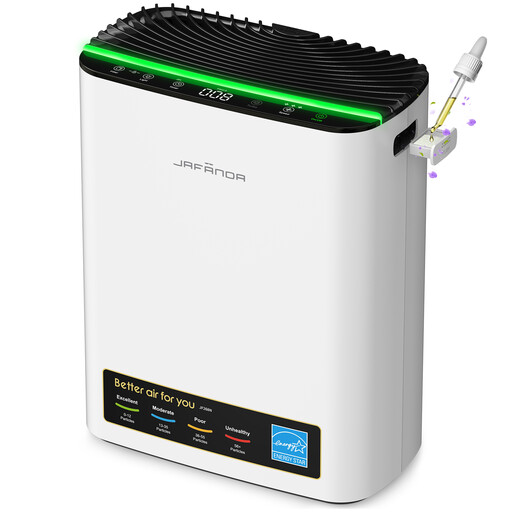
Why it suits this profile: This model combines a compact design with a CADR of 268 m³/h and, according to the product information, is suitable for several room sizes depending on the number of air changes.
The specifications state both the CADR and several room sizes. This allows you to match the capacity more accurately than by relying on a general marketing claim alone.
PM2.5 display, automatic mode, three speeds, carbon filter and a 20 dB sleep mode according to the product details.

Why it suits this profile: This compact model offers a CADR of 250 m³/h, automatic control and a stated sleep-mode noise level from 20.5 dB(A), making it suitable for a bedroom or home office.
The product information lists separate noise levels for different modes. This shows that the quiet figure does not apply to maximum airflow.
PM2.5 sensor, 2-layer HEPA filtration, automatic mode, maximum power consumption of 21 W and a filter indicator.
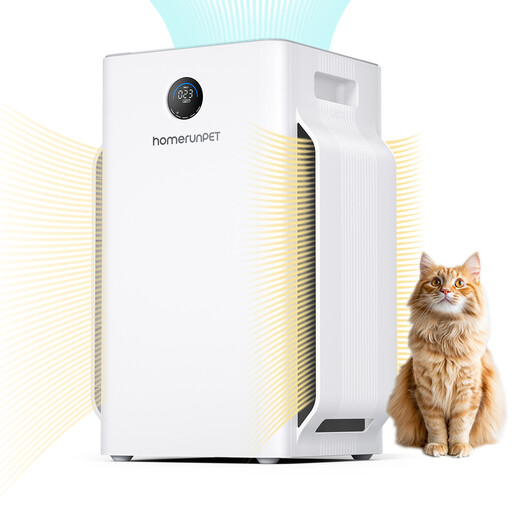
Why it suits this profile: According to the product description, this model is designed for households with cats and dogs, with a reusable pre-filter and coverage of up to 40 m².
According to the instructions, the pre-filter can be dusted regularly. This helps prevent hair and larger particles from immediately putting extra strain on the combined filter.
HEPA and activated carbon filter, PM sensor, automatic mode, child lock and sleep mode from 25 dB according to the product specifications.
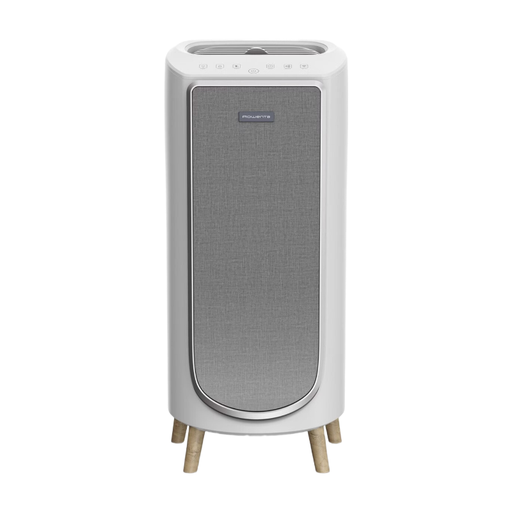
Why it suits this profile: With a stated CADR of 360 m³/h and a recommended room size of up to 140 m², this model is designed for a larger living room or open-plan living space.
The combination of CADR, filter types and different operating modes provides more information than the stated maximum floor area alone.
HEPA, carbon and nano filter according to the product information, Wi-Fi control, automatic detection and a stated minimum noise level of 32 dB.
We have put together a complete, up-to-date list of products that fully meet these strict selection criteria and the applicable European safety regulations.
Place the device on a stable, level surface, usually with at least 20 to 30 cm of clear space around the air inlet and outlet. Do not place it behind a curtain, directly against a cupboard or in a damp area such as the bathroom. Close windows and doors when you want to filter the air in a single room.
This varies depending on the model, usage time and air quality. Product information often states a period of around six to twelve months, while some models quote a longer filter life. A filter indicator is useful, but you should also inspect the filter itself in accordance with the manual. Do not wash a disposable HEPA or combined filter unless the manufacturer explicitly instructs you to do so.
In addition to electricity consumption, you need to factor in replacement filters. A 20 to 60 W model uses relatively little electricity when running continuously, but the total cost depends on the selected fan setting and local energy prices. Before ordering, compare the stated power consumption, filter life and price of genuine replacement filters.
