
Vandaag of morgen in huis

Kwaliteit gegarandeerd
Download de app
Categorieën

An air purifier, a humidifier, or an aroma diffuser? The term 'air treatment device' covers a range of appliances, each with a specific function. Choosing the right device depends on your specific needs. The wrong purchase won't solve your problem and will lead to unnecessary expense. This guide will help you understand the differences and make an informed choice for your situation.
To select the right device, it's important to first determine your goal. Do you want to clear the air of particles, increase humidity, or diffuse a pleasant scent?
An air purifier is designed to filter the air and remove contaminants. This type of device is particularly suited for improving indoor air quality by removing fine particles.
A humidifier adds water vapour to the air to increase humidity. This is especially relevant in the winter months, when central heating can significantly dry out the indoor air.
An aroma diffuser is primarily intended to diffuse the scent of essential oils in a room. Although many models also produce a light mist and thus minimally increase humidity, this is not their main function.
Based on functionality and specifications, we have selected devices that each fulfil a different need.
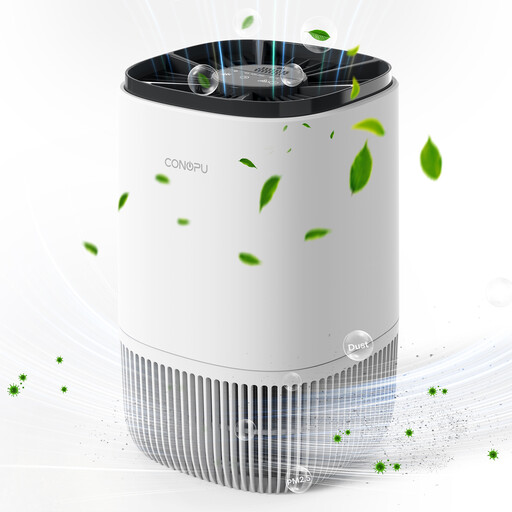
Why this product: This device is a pure air purifier that focuses on filtering the air. The core of this model is its 3-stage filtration system, including an H13 HEPA filter, which is effective at capturing fine particles. The addition of a fragrance function is a secondary benefit.
Benefits:
Who is this for: This is a suitable choice for people primarily looking for a solution for allergies caused by pollen, dust, or pets. It's also for anyone wanting to improve the overall air quality in a specific room.
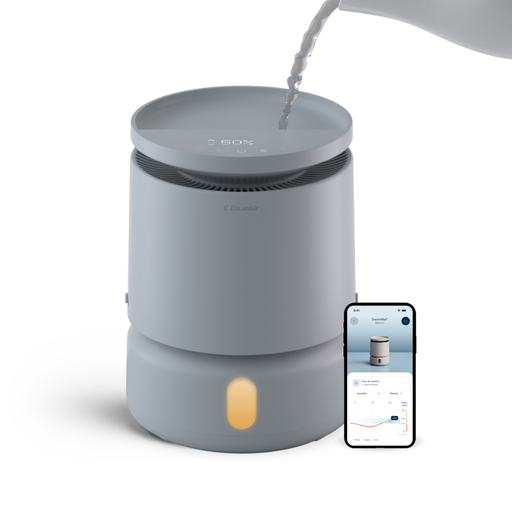
Why this product: This humidifier from Blueair tackles the problem of dry air with its 'InvisibleMist' technology. This technique prevents the dispersal of white limescale deposits, a common drawback of ultrasonic models. The device is designed for long-lasting and quiet operation.
Benefits:
Who is this for: Ideal for those who suffer from the effects of dry air, such as a dry throat or skin, especially during the winter. Its quiet operation and smart features make it a comfortable addition to the bedroom.
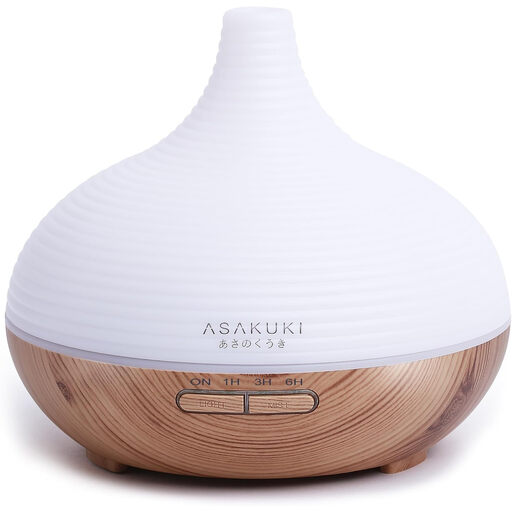
Why this product: This aroma diffuser from Asakuki is focused on atmosphere and well-being. It combines the function of scent diffusion with ambient lighting and a modern design. It is a multifunctional accessory for those who want to integrate aromatherapy into their daily lives.
Benefits:
Who is this for: This product is intended for users who want to create a relaxing or energising atmosphere using essential oils. It is less of a solution for air quality issues and more an instrument for personal well-being.
If your primary goal is to create a pleasant scent, but an electric device isn't your preference, there are other ways to fragrance your home. Consider reed diffusers, room sprays, or scented candles.
Check out our range of home fragrances for more options.
1. Can an air treatment device help with hay fever? Yes, specifically an air purifier with a HEPA filter can significantly reduce the concentration of pollen in indoor air. By filtering the air, allergens that cause hay fever symptoms are removed from circulation. A humidifier or aroma diffuser has no direct effect on this.
2. What is the difference between a humidifier and an aroma diffuser? A humidifier is designed to substantially increase the humidity in a room, often with a larger water tank for extended use. An aroma diffuser's main purpose is to disperse the scent of essential oils. Although a diffuser also adds a small amount of moisture to the air, this effect is minimal and not comparable to that of a dedicated humidifier.
3. How quiet is a 'quiet' air treatment device? The noise level of a device is expressed in decibels (dBA). A model described as quiet typically produces less than 30 dBA on its lowest setting. This is comparable to the sound of a whisper and is generally not considered disruptive, making it ideal for use in a bedroom or a quiet office environment. Always check the specifications for the exact dBA level.