
Vandaag of morgen in huis

Kwaliteit gegarandeerd

Welkomstaanbiedingen ontgrendelen: GRATIS bezorging | Tot 80% korting | Gratis 30 dagen JoyPlus-proefperiode
Download de app
An air purifier can be useful for dealing with dust, pollen, smoke particles or pet odours. However, a large number on the packaging does not automatically mean that a device is suitable for your home. A model designed for a small bedroom may move too little air in a spacious living room, while a powerful device may simply create unnecessary noise.
The main purchasing mistakes usually come down to three points:
Below, you can find out which specifications are relevant in the Netherlands and which type is best suited to different households.
The CADR, or Clean Air Delivery Rate, indicates how much filtered air a device can deliver per hour. This value is usually given in m³/h. A higher figure indicates greater air movement, but you should always consider the stated room coverage alongside the CADR.
Pay attention to the difference between:
For a bedroom, home office or child’s room, a compact model is often sufficient. For an open-plan living room, a home with several pets or a room where people regularly smoke, a higher CADR is more practical. For example, the ELECCI Dual-HEPA Filter Air Purifier lists a CADR of 550 m³/h and coverage of up to 48 m² or 120 m³, according to the product information.
An air purifier with a HEPA filter often consists of several layers:
An air purifier with a carbon filter is therefore more appealing for households dealing with cooking smells, smoke or pets. However, check exactly what the manufacturer claims. A brand’s own research may indicate that a certain filtration efficiency applies under controlled conditions; this does not automatically mean the same performance in every Dutch living room.
The filter class also deserves attention. Products in this selection list H11, H13 or brand-specific HEPA technology, for example. You should also check the dimensions, model number and estimated service life. An inexpensive device whose filter is difficult to source may prove less economical in the long run.
For an air purifier for the bedroom, the noise level on the lowest setting is more important than maximum power. Check whether the stated decibel level applies only to sleep mode. The highest fan setting may be considerably louder.
An air quality sensor or PM2.5 sensor can adjust the fan speed automatically. With a PM2.5 air purifier, a display or light indicator often shows an indication of the measured particle concentration. This helps you see when cooking, airing the room or cleaning affects your indoor air.
A smart air purifier or air purifier with app usually offers scheduling, remote control and filter alerts. Before buying, check whether the Wi-Fi, voice control and app suit the way you intend to use the device. If you do not need remote control, it is better not to pay extra for features that will remain unused.
The recommendations below are based on verifiable product information such as CADR, filter type, noise level, room coverage and controls. Claims about filtration performance are presented as information from the relevant product descriptions.
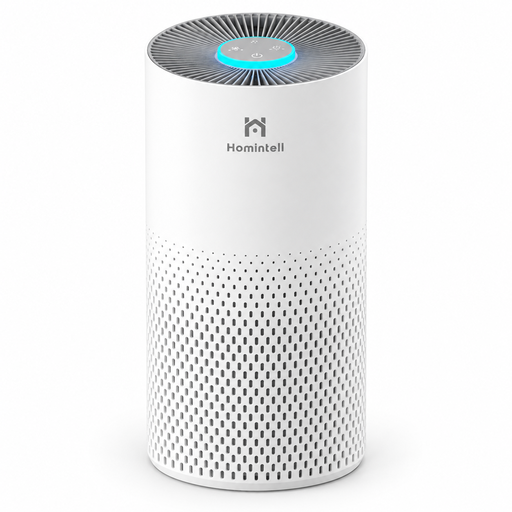
Why it suits this profile: According to the product information, this compact model is intended for rooms of approximately 16–18 m², such as a small bedroom, student room or home office. Operation remains simple via the touch panel.
The stated CADR of 130–150 m³/h makes the room coverage more specific than a general claim about “large rooms”. However, check which model and filter variant you are ordering.
3-in-1 filter with pre-filter, H11 HEPA and activated carbon; three speeds, PM2.5 sensor, sleep mode and timer.
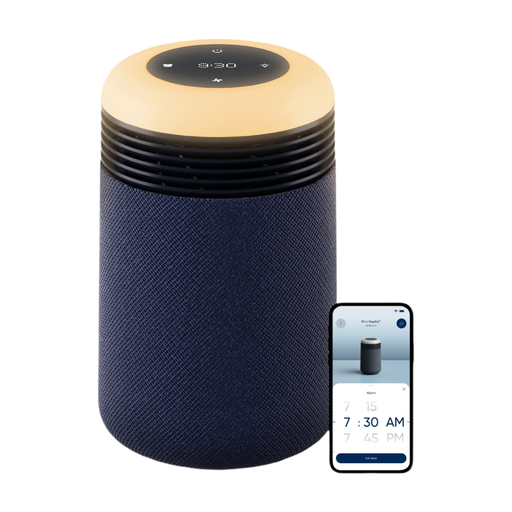
Why it suits this profile: This model is designed for the bedroom and combines air filtration with a wake-up light, sleep mode and app control. The stated coverage is 13 m².
The manufacturer states a noise level from 21 dB and a filter reminder. Even so, check the current filter price and replacement interval before ordering.
HEPASilent filtration according to the product description; app, automatic mode, air quality monitoring and USB-C connection.
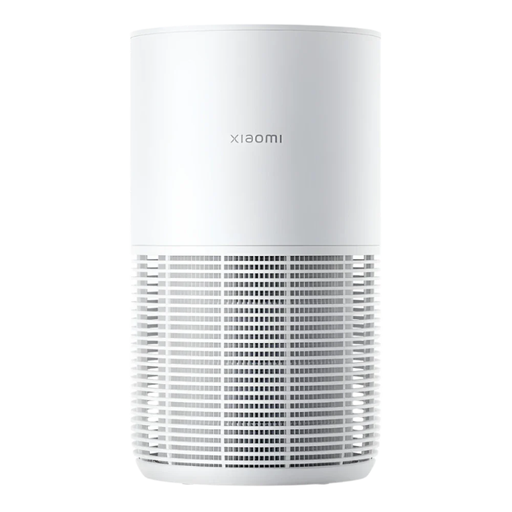
Why it suits this profile: For households with cats or dogs, a pre-filter, HEPA filter, activated carbon and app control make a useful combination. This model lists a CADR of 230 m³/h and coverage of 16–27 m².
The product description explicitly mentions a layer for larger hairs and a filter for odours. This prevents you from focusing solely on the term HEPA, when pet care also calls for a pre-filter.
Xiaomi Home app and voice control; PM2.5 sensor, child lock, quiet operation and tool-free filter replacement.
We have put together a complete, up-to-date list of products that fully meet these strict selection criteria and the applicable European safety regulations.
Place an air purifier on a stable, dry surface and leave plenty of clearance around it. According to the instructions, ELECCI recommends keeping it at least 30 cm away from walls and furniture. Do not block the air inlet or outlet with curtains, clothing or toys.
Also bear the following points in mind:
A humidifier with air purifier can be useful in dry rooms, but it requires additional maintenance. The Blaupunkt AHS801, for example, has a 5-litre water tank, a HEPA system and a stated noise level of 30 dB. Clean the water tank according to the instructions and do not place this type of appliance in a damp bathroom.
According to the product descriptions of certain brands, an air purifier can filter dust, pollen and other fine particles from the air passing through it. This does not mean that the device treats allergies or removes every source of allergens from your home. Ventilation, cleaning and tackling areas where dust accumulates remain important.
This varies depending on the model, how long it is used and the indoor air conditions. Some products state approximately six to eight months, while Philips generally gives twelve months for the model mentioned and Blueair gives nine months. Use the filter indicator as a guide and always check the manual.
Consumption depends on the wattage, the selected fan speed and the number of hours the device runs. In practice, a 20- to 35-watt model uses less electricity than a 60-watt device over the same number of hours, although the air movement may also differ. Therefore, compare wattage, CADR and operating time together rather than looking only at the lowest power rating.
