
Vandaag of morgen in huis

Kwaliteit gegarandeerd

Welkomstaanbiedingen ontgrendelen: GRATIS bezorging | Tot 80% korting | Gratis 30 dagen JoyPlus-proefperiode
Download de app
A sneezing fit in the middle of the night, itchy eyes while working from home, or a constantly stuffy nose. For those with pollen, dust mite, or pet dander allergies, this is a familiar scenario. A home air purifier can offer relief, but the options are vast. The wrong model might be too loud for the bedroom, too weak for the space, or have expensive filters. This guide will help you make an informed choice based on facts and specifications.
To avoid a bad purchase, it's important to focus on a few key technical specifications. These parameters determine the air purifier's effectiveness for your specific situation.
The core of any good air purifier is its filter. A HEPA filter (High-Efficiency Particulate Air) is designed to capture a very high percentage of airborne particles.
Capacity indicates how quickly and effectively an air purifier can clean a room. This is expressed as CADR (Clean Air Delivery Rate).
For an air purifier in the bedroom, the noise level is a crucial factor. A device that's too loud will disrupt your sleep.
Below are some recommendations for 2026, selected based on their specifications for use in smaller, specific spaces like a bedroom or home office.
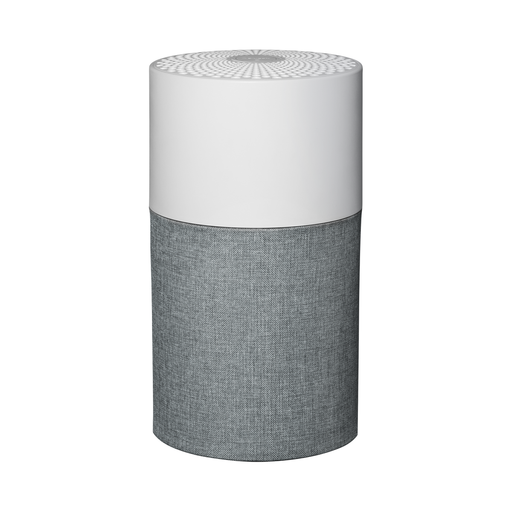
Why We Chose It: The Blue Pure 511 focuses on simplicity and effectiveness in a compact design. The device uses Blueair's proprietary HEPASilent technology, which combines electrostatic charging with a filter to capture particles. Its one-button operation makes it a very user-friendly model.
Pros:
Best For: This is a suitable small air purifier for anyone looking for a simple, effective, and quiet device for a child's room, home office, or bedroom up to approximately 17 m?.
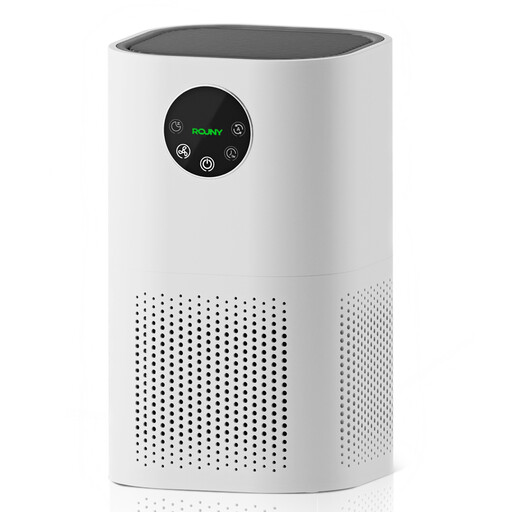
Why We Chose It: The ROUNY AP-T1 offers a great balance between performance and functionality. The device is equipped with an H13 True HEPA filter and a built-in sensor that measures and displays air quality, giving you instant feedback on its effectiveness.
Pros:
Best For: Users who want more control and feedback. Suitable for medium-sized bedrooms or living rooms where active air quality monitoring is desired.
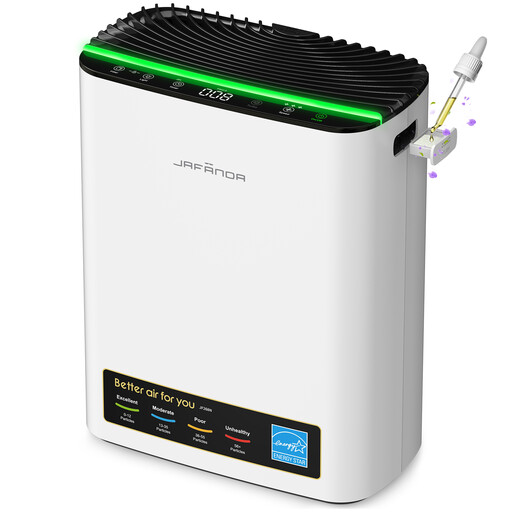
Why We Chose It: This model from Jaf?nda stands out for its automatic operation and high capacity. The built-in PM2.5 sensor measures the amount of particulate matter and automatically adjusts the fan speed. This makes it a 'set-and-forget' solution.
Pros:
Best For: Ideal for those seeking a powerful, automated solution for a larger bedroom or living room, especially in households with pets.
The models above are a selection geared towards common situations. Depending on the size of your home, specific allergies, or the presence of pets, a different model might be a better fit. For a wider range, including solutions specifically aimed at the challenges of pet ownership, you can browse our Pet Paradise category.
1. How often should I replace the filter in an air purifier? A filter's lifespan depends on the model, usage intensity, and air quality. Generally, it's recommended to replace a HEPA filter every 6 to 12 months. Many modern air purifiers have an indicator that tells you when the filter needs changing.
2. Does an air purifier really help with hay fever? Yes, an air purifier with a HEPA filter can significantly reduce the concentration of pollen in indoor air. By filtering out the particles that cause hay fever symptoms, the device can help alleviate symptoms indoors, especially in the bedroom.
3. Can an air purifier run all night? Certainly. Most air purifiers, particularly models with a dedicated sleep mode, are designed for continuous use. They have low energy consumption, and the noise level on the lowest setting is specifically designed not to disturb your sleep.
Written by the Joybuy Product Recommendation Officer
Our recommendations are based on the analysis of product parameters and specifications to help you make an informed choice.
