
Vandaag of morgen in huis

Kwaliteit gegarandeerd

Welkomstaanbiedingen ontgrendelen: GRATIS bezorging | Tot 80% korting | Gratis 30 dagen JoyPlus-proefperiode
Download de app
By: Joybuy Product Recommendation OfficerDate: July 28, 2026
Sneezing, itchy eyes, and a stuffy nose the moment you walk through the door. For many with pollen, dust mite, or pet allergies, this is a familiar scenario. An air purifier promises relief, but the market is flooded with models that promise the world. Unfortunately, marketing jargon often leads to a poor purchase.
Before you invest in cleaner air, it's crucial to recognise the most common pitfalls. Many devices are unnecessarily loud, have expensive filters, or are simply not powerful enough for your space. We'll help you understand the right specifications so you can choose a model that truly makes a difference in your living environment.
To avoid buyer's remorse, focus on three concrete specifications. These determine the effectiveness, comfort, and long-term cost of the device.
The CADR, expressed in cubic metres per hour (m?/h), indicates how much clean air an air purifier can deliver per hour. A good rule of thumb is that the air purifier should be able to completely exchange the air in a room 3 to 5 times per hour.
An effective air purifier has a multi-stage filtration system. The two most important components are:
No one wants a noisy machine in their living room or bedroom. The noise level is measured in decibels (dB). Pay close attention to the noise on the lowest setting or in sleep mode.
Based on these objective criteria, we have selected a few models that suit different user profiles.
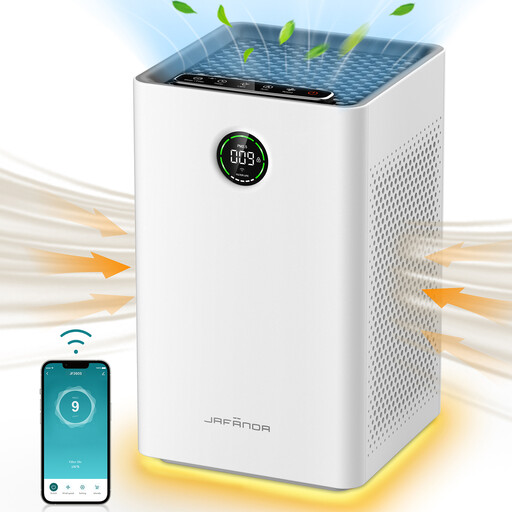
Why This Fits Their Persona: Perfect for those who want to control everything via an app or voice command. The automatic mode adjusts the fan speed based on the measured air quality, offering a set-it-and-forget-it experience.
This model uses a True HEPA H13 filter and specifies a clear CADR of 260 m?/h, so you know exactly what you're getting. No vague claims.
The built-in PM2.5 sensor provides real-time insight into air quality. The combination of a HEPA and activated carbon filter tackles both particles and odours.
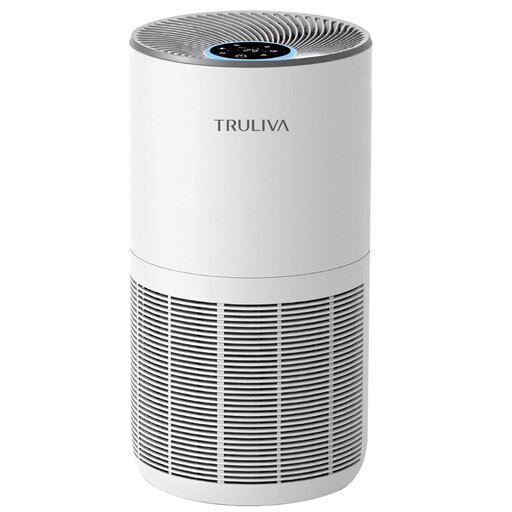
Why This Fits Their Persona: Pets bring hair, dander, and odours into the home. This powerful model is designed for larger rooms (up to 55 m?) and has the capacity to purify the air quickly and effectively.
The high CADR of 450 m?/h is functional here, not just a marketing gimmick. It's necessary to tackle the larger volume of allergens and odours in a home with pets.
The 360-degree air intake ensures efficient circulation throughout the room. The combination of an H13 HEPA filter and an activated carbon filter is effective against both hair and odours.
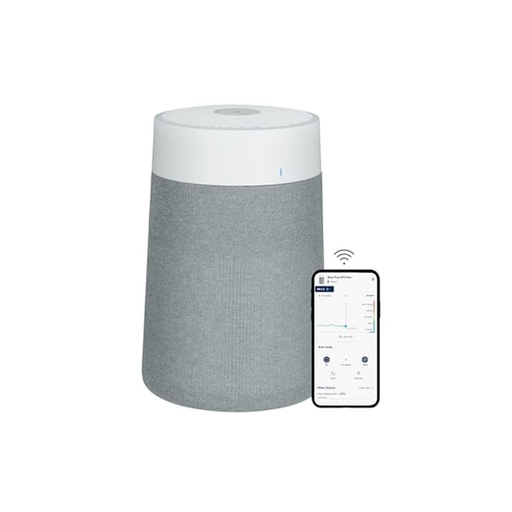
Why This Fits Their Persona: For an undisturbed night's sleep, a quiet air purifier is essential. This model is designed for minimal noise levels in sleep mode while still effectively purifying the air.
Instead of focusing on maximum CADR, this model emphasizes the balance between performance and silence. The noise level of just 19 dB on its lowest setting is a concrete, verifiable specification.
According to Blueair, its HEPASILENT technology combines electrostatic and mechanical filtration for high performance at a lower noise level and energy consumption. The night mode dims the lights for added comfort.
We have compiled a complete, up-to-date list of products that meet these strict selection criteria and relevant safety standards.
A filter's lifespan depends on the model, usage, and the air quality in your home. Most manufacturers recommend replacing a HEPA and carbon filter every 6 to 12 months. Many modern air purifiers have an indicator that tells you when it's time for a replacement. A pre-filter is often washable and does not need to be replaced.
Yes, for optimal results, it is recommended to run the air purifier continuously, especially in rooms where you spend a lot of time. Most devices are designed for continuous use and have low energy consumption, particularly in automatic or low-speed modes. A model with a timer can be useful for automatically turning the device off.
Place the air purifier in the room where you want the most relief from your symptoms, such as the bedroom or living room. Ensure there is enough space (at least 30 cm) around the device so that the air intake and outlet are not blocked. Do not place it in a corner or directly against a wall. For good air circulation, a central location in the room is often a good choice.
