
Vandaag of morgen in huis

Kwaliteit gegarandeerd

Welkomstaanbiedingen ontgrendelen: GRATIS bezorging | Tot 80% korting | Gratis 30 dagen JoyPlus-proefperiode
Download de app
Replacing an air purifier filter seems simple, until you discover that many filters fit only one specific model. The wrong size can let air leak around the filter, while a filter without activated carbon will do little to tackle cooking smells or smoke. Terms such as H13, H14 and “3-in-1” are not always explained consistently either.
For households with pets, lots of dust or an air purifier in the bedroom, there are three pitfalls to watch out for:
First, check the exact model number on the appliance, in the manual or on the old filter. Check the shape too: some air purifiers use a cylindrical filter, while others use a rectangular cartridge.
A compatible replacement filter needs to fit the compartment and create a good seal. So check:
For example, a filter for the Xiaomi Smart Air Purifier 4 Lite will not necessarily fit the Xiaomi Smart Air Purifier 4 Pro. The product page should explicitly list the right appliance.
An air purifier HEPA filter is designed to filter fine particles from the airflow. H13 and H14 refer to classifications within technical filtration standards, but performance in practice also depends on the air purifier’s design, the seal and the airflow.
Some filters list figures such as 99,95%, 99,97% or 99,99% in their product descriptions. Treat these as specifications stated by the brand or seller, and always check:
An H13 HEPA filter is a popular choice for many household uses. An H14 HEPA filter may have a higher filtration class according to the product description, but that does not automatically mean every appliance will run more quietly or use less energy with one.
A filter with activated carbon is particularly useful if you want to reduce odours, cooking smells or smoke. According to product descriptions, activated carbon can adsorb certain odorous substances and gaseous pollutants. However, the amount of carbon, the airflow and how long you use the filter all affect how long this effect lasts.
A 3-in-1 air filter usually contains:
A pre-filter is practical if you have pets, as it stops hair and dust from reaching the HEPA section straight away. A washable pre-filter can make maintenance easier, but always let it dry completely before putting it back. Don’t wash a HEPA or carbon filter unless the manufacturer specifically says you can.
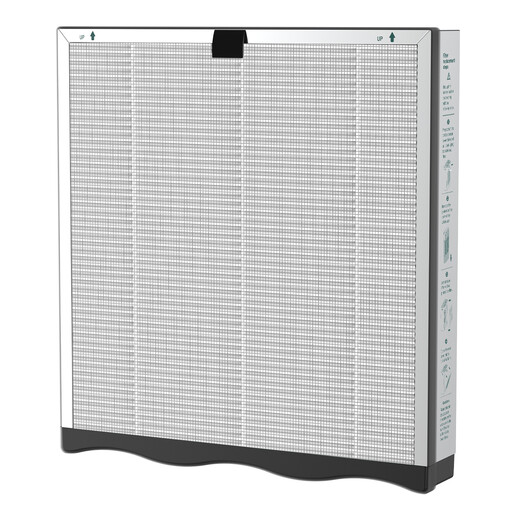
Why it suits this type of buyer: The product listing describes a 3-in-1 design with True HEPA 13, activated carbon and a pre-filter. Before buying, check that your appliance is model JF268N.
The model number JF268N is clearly stated, so you don’t have to search by brand alone.
According to the product information: HEPA 13, activated carbon and one filter per pack.
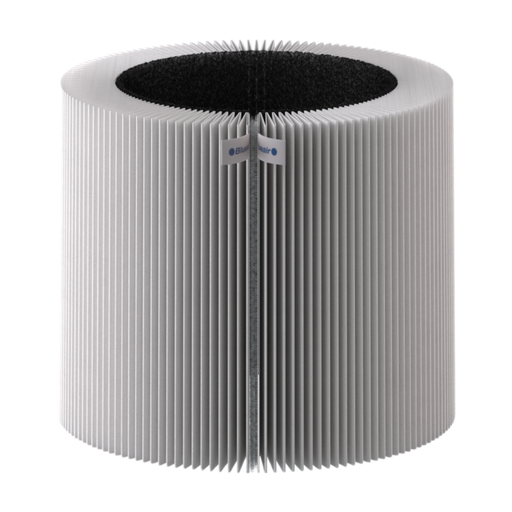
Why it suits this type of buyer: This genuine Blueair replacement filter is specifically designed for the Mini Restful. It’s a good choice if you value a branded part, a precise fit and maintenance notifications through the app.
The product description names the exact model and says the Blueair app will notify you when it’s time to change the filter.
According to Blueair: HEPASilent technology and compatibility with the Mini Restful for smaller rooms.
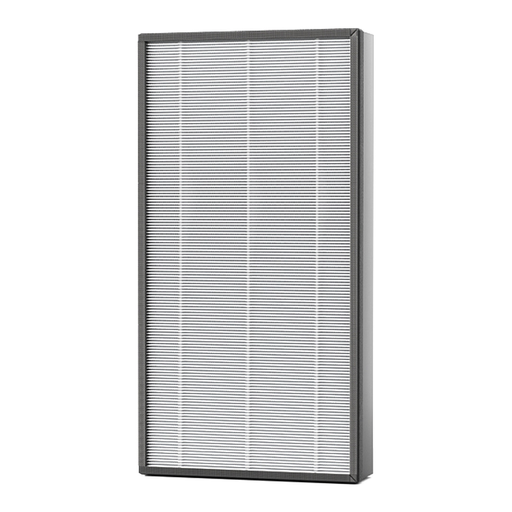
Why it suits this type of buyer: This set is specifically designed for the homerunPET D1 and, according to the product description, combines an H14 HEPA filter with activated carbon. It’s a good fit for households with pets and several sources of odours.
The stated compatibility is limited to model D1, reducing the chance of buying a universal filter that doesn’t fit properly.
According to the product information: H14 HEPA, activated carbon, a pre-filter and a recommended replacement interval of 6–12 months.
We’ve put together a complete, up-to-date list of products that meet these strict selection criteria and the applicable European safety requirements.
Switch off the air purifier and unplug it before replacing the filter. Open the filter compartment, remove the protective film from the new filter and make sure it’s facing the right way. Close the compartment fully before switching the appliance back on.
Keep these points in mind when maintaining your filter:
Filter life varies depending on the model and how you use it. Many product descriptions recommend replacing the filter every six to twelve months, but cooking, smoking, pets and a dusty environment can shorten this interval.
Note down the brand and exact model number. Then compare the compatibility list, shape and dimensions. “Suitable for Xiaomi” or “suitable for Blueair” isn’t enough on its own, as each brand uses several filter sizes.
Usually not. Water can damage the filter structure, and moisture can cause problems. A washable pre-filter is a separate part. Always follow the maintenance instructions for your appliance and filter.
It depends on how you use it and the environment. A commonly recommended guideline is every six to twelve months. Check the filter indicator, airflow and visible dirt too. A filter with activated carbon may become saturated sooner if it’s exposed to a lot of smoke or odours.
