
Vandaag of morgen in huis

Kwaliteit gegarandeerd

Welkomstaanbiedingen ontgrendelen: GRATIS bezorging | Tot 80% korting | Gratis 30 dagen JoyPlus-proefperiode
Download de app
An air purifier only works as intended when the air purifier filter is clean, suitable and replaced on time. Yet many consumers order a filter based solely on the brand name or a term such as “HEPA”. This can result in an incorrect fit, additional noise or an appliance that moves less air.
For households with pets, children, pollen indoors or cigarette smells, three purchasing pitfalls are particularly relevant:
Always start with the exact model of your appliance. Check the rating plate, instruction manual or filter notification in the app. Look out for differences such as:
An original replacement filter is usually designed for the dimensions, airflow and attachment points of one specific range. With a compatible filter, you need to compare the same details even more carefully.
A HEPA filter for an air purifier is designed to filter small airborne particles. Product pages may use terms such as True HEPA H13 filter, H14 or HEPASilent. These terms are not interchangeable.
Therefore, check:
According to Blueair’s own product information, certain Blueair filters remove at least 99.97% of small particles under the stated test conditions. This is a product specification from the brand, not a guarantee of the same performance in every home or situation. According to its own product description, homerunPET also lists an H14 filter with a specified filtration percentage. Use figures like these primarily to compare products, rather than as a medical promise.
A HEPA layer targets particles such as dust, pollen and skin flakes. An activated carbon filter is designed to adsorb certain odours and gaseous substances. The amount of carbon and the filter construction can vary from one model to another.
An odour filter for pet households or an air filter for smoke and allergens therefore often consists of several layers:
A carbon filter does not automatically eliminate smoke or odours completely. Ventilation, the source of the odour and the length of use also play a part.
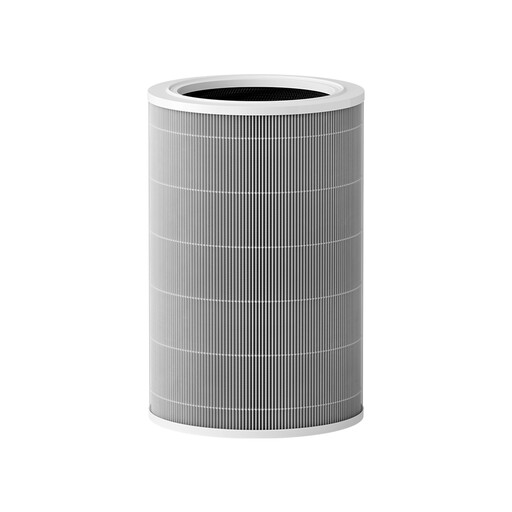
Why it suits this profile: A practical choice for Xiaomi Smart Air Purifier 4 Lite users looking for a multi-layer 360° filter.
The product information explicitly lists model M17R-FLP and includes a pre-filter, HEPA H13 layer and activated carbon. Check the model number before ordering.
360° 3-in-1 construction, HEPA H13 and activated carbon for odours, according to the product description.
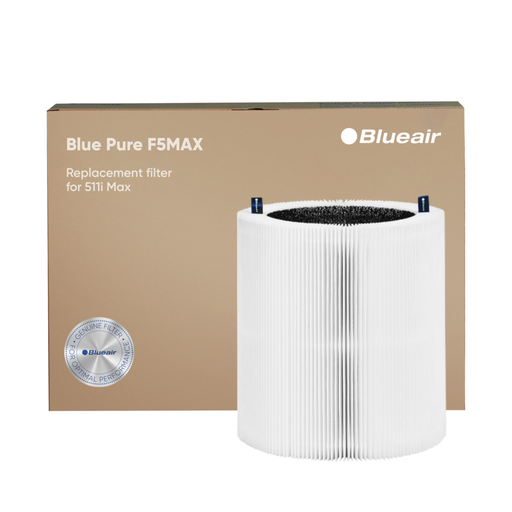
Why it suits this profile: Designed for Blue Pure 511i Max owners looking for an original filter with app support.
According to the product information, this filter is intended exclusively for the Blue Pure 511i Max. This makes checking compatibility clearer than with universal filters.
HEPASilent technology and a RealTrack replacement notification, according to Blueair’s own product information.
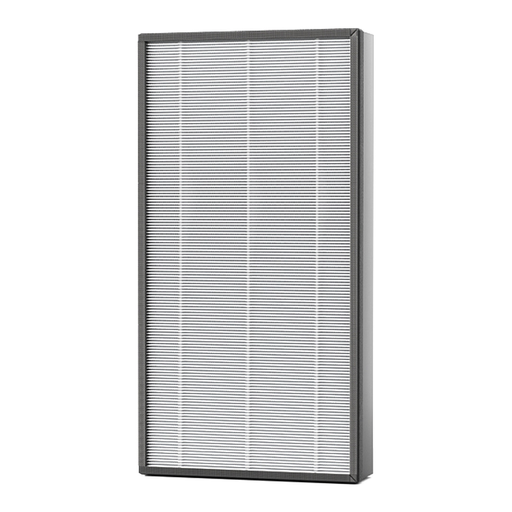
Why it suits this profile: Suitable for households with pets looking for a filter for hair, dust particles and odours.
According to the product information, this filter set was made specifically for the homerunPET D1. Its multi-layer construction means you do not have to rely solely on the word HEPA.
H14 HEPA, pre-filter and activated carbon; replacement is recommended according to the product information after 6–12 months or when indicated by the appliance.
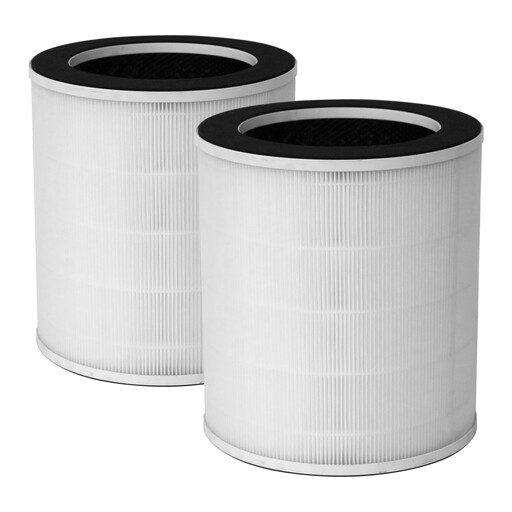
Why it suits this profile: For TRULIVA KJ450 users looking for a four-stage filter with HEPA and carbon.
The description explicitly names model KJ450 and describes the layers individually. This allows you to check the fit and filter construction before buying.
Pre-filter, H13 True HEPA and activated carbon filter; designed for tool-free replacement according to the product description.
We have put together a complete, up-to-date list of products that fully meet these strict selection criteria and the applicable European safety regulations.
Do not wash a HEPA filter unless the manufacturer explicitly states that it is washable. According to the product information, for example, the Eureka J12 Ultra filter is described as washable and reusable. For most of the other filters mentioned, washing is specifically not permitted. Therefore, always check the instructions for the specific model.
Find the full model number on the appliance or in the instruction manual and compare it with the compatibility list on the product page. Look out for additions such as Lite, Pro, Max, Mini or a specific range. The brand name alone is not enough.
This varies depending on the appliance, usage time and air quality. Manufacturers often specify intervals of around 6 to 12 months, but a dusty home, cooking, smoke or pets can affect the service life. Follow the filter indicator and inspect the filter visually.
Compare the price per set and the stated service life, but do not choose based on price alone. A cheap filter that does not fit properly or becomes blocked more quickly may be less practical. Also check whether the pre-filter can be cleaned separately and whether the appliance can be easily reset after replacement.
