
Vandaag of morgen in huis

Kwaliteit gegarandeerd

Welkomstaanbiedingen ontgrendelen: GRATIS bezorging | Tot 80% korting | Gratis 30 dagen JoyPlus-proefperiode
Download de app
You've invested in an air purifier for fresher air at home. But then, a light starts to flash: it's time to replace the filter. A quick online search reveals an overwhelming number of options. Which air purifier filter do you actually need? Choosing the right replacement filter seems simple, but a few common pitfalls can lead you to waste money on a filter that underperforms or even damages your appliance.
As a Joybuy Product Recommendation Officer, I'm here to help you cut through the marketing jargon. We'll look at the facts so you can choose a filter that delivers on its promise.
Before you add a filter to your cart, it's wise to be aware of these common missteps:
To avoid these pitfalls, there are a few objective specifications you should always check.
This is the most important step. A replacement air purifier filter must be made specifically for your model. Check the model number of your air purifier (often found on a sticker on the bottom or back) and compare it with the filter's compatibility list. An official filter from brands like Xiaomi or Blueair guarantees a perfect fit and maintains your device's specifications.
Air purifier filters often consist of multiple layers, each with its own function:
Most modern filters are combination filters that include both a HEPA layer and a carbon layer for comprehensive purification.
Most air purifiers indicate when it's time to replace the filter. This is typically after 6 to 12 months, depending on usage and air quality. Don't wait for a noticeable drop in performance. A clogged filter can obstruct airflow and severely reduce your device's effectiveness. Especially if you use the air purifier for pet hair or allergies, timely replacement is essential.
To help you with your choice, we've highlighted a few filters that suit specific needs, based on their specifications.
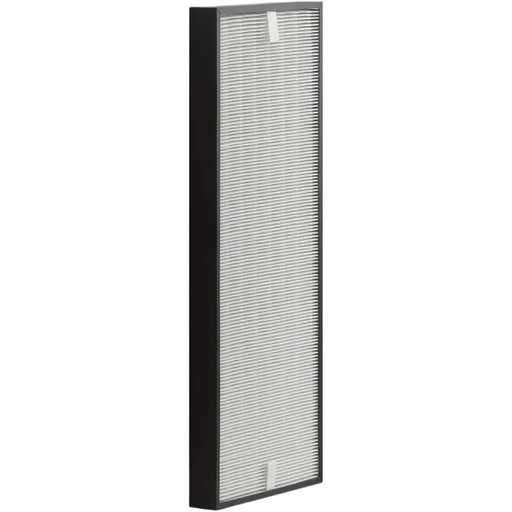
Why This Fits Their Persona: Specifically designed to capture allergens like pollen and dust mites. This is especially useful during hay fever season or for people with dust allergies who want to create a cleaner living environment.
This is an official filter from Rowenta, which guarantees compatibility with the Pure Air PU60 series. This helps you avoid the pitfall of a poorly fitting 'universal' filter that undermines performance.
Combines multiple filtration levels to tackle a wide range of particles, not just larger dust motes. The 'Allergy+' name highlights its focus on allergens.
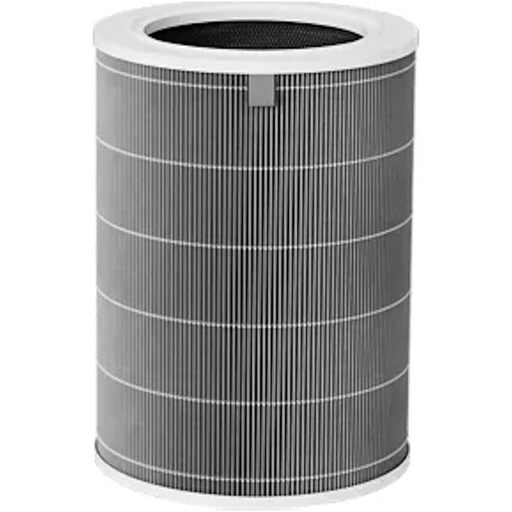
Why This Fits Their Persona: Designed to specifically tackle pet hair, dander, and the associated odours. Ideal for households with cats or dogs to keep the air quality fresh and pleasant.
The activated carbon layer is optimised for pet odours. This is more effective than a standard filter that may not fully neutralise these specific smells, thus avoiding the 'vague performance' trap.
This filter combines a HEPA layer for dander with a specialised carbon layer for odour absorption, providing a dual-action approach for the most common issues faced by pet owners.
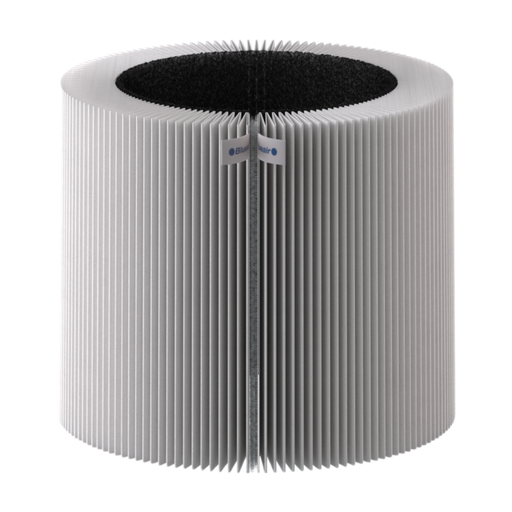
Why This Fits Their Persona: Made for the compact Blueair Mini, a device often used in bedrooms. The focus is on quiet operation so as not to disturb your sleep, while still effectively purifying the air.
This genuine filter guarantees the performance of Blueair's HEPASilent technology. A non-official filter could diminish the efficiency and low noise level for which the device was designed.
According to Blueair, HEPASilent technology combines high filtration efficiency with low energy consumption and quiet operation, which is ideal for overnight use.
The right filter is essential for your air purifier's performance. We have a complete selection of filters that meet clear specifications and compatibility requirements.
The easiest way is to find the model number of your air purifier. This is usually on a sticker on the device itself or in the manual. Use this model number to search for a compatible replacement air purifier filter. It's best to choose an original filter from the manufacturer to ensure a perfect fit and performance.
No, in most cases. A HEPA filter consists of a dense web of fine fibres. Washing irreversibly damages this structure, causing a loss of filtration capacity and potentially even leading to mould growth. Only some fabric pre-filters are washable. Always check the manufacturer's instructions.
The lifespan of a carbon filter depends heavily on the amount of odours and gases in the air. In an environment with a lot of cooking, smoking, or pets, a carbon filter will become saturated more quickly. A general guideline is to replace the filter, along with the HEPA part, every 6 to 12 months, or when you notice that odours are no longer being effectively removed.
