
Vandaag of morgen in huis

Kwaliteit gegarandeerd

Welkomstaanbiedingen ontgrendelen: GRATIS bezorging | Tot 80% korting | Gratis 30 dagen JoyPlus-proefperiode
Download de app
Replacing an air purifier filter may seem straightforward, but choosing the wrong one can result in a poor fit, more noise or an air purifier that moves air less effectively. If you have pets, or are dealing with pollen, dust or cooking smells, it’s worth looking beyond terms such as “HEPA” or “high efficiency”.
The most common pitfalls:
Always start by checking the model number. Find it:
As well as the brand, check the model variants. For example, a Xiaomi Smart Air Purifier 4 Lite won’t necessarily use the same filter as a Xiaomi Smart Air Purifier 4 Pro. The same applies to Blueair Mini models and Rowenta Pure Air ranges.
An original replacement filter is usually made specifically for one appliance series. A compatible air filter can be a practical option, but check the dimensions, airflow direction, shape and fittings especially carefully.
A HEPA filter for an air purifier is designed to filter fine airborne particles from the airflow. H13 and H14 refer to different classifications within the HEPA system. A higher number doesn’t automatically mean the complete appliance will work better in every situation: the fan, seals, airflow and maintenance all matter too.
According to the product information:
So don’t look at the HEPA code alone. Check the number of filter layers and the finish around the filter too.
A filter with activated carbon is designed to tackle odours and certain gaseous substances. This can make it a useful choice in homes with pets, cooking smells or tobacco smoke. However, how well it works depends on the amount and quality of the carbon, the airflow, the concentration of the odour and how long the filter has been in use.
A filter for dust and pollen won’t necessarily absorb odours effectively. If you want both functions, look for a combination of a pre-filter, HEPA layer and activated carbon. Also check that the product description clearly states what the carbon layer is designed to do. Avoid making assumptions about medical benefits or the removal of all harmful substances; these properties can’t be established from marketing copy alone.
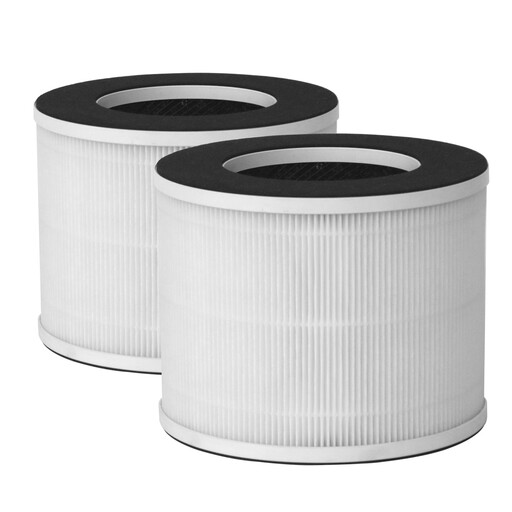
Why it suits this profile: This compatible air filter is designed for TRULIVA KJ260 users looking for a straightforward replacement with multiple filter layers.
The product information explicitly names the KJ260 model. Still check your model before ordering; a filter for the KJ450 isn’t the same.
Four-stage filtration with a pre-filter, H13 HEPA and activated carbon; designed for dust, hair, pollen and household odours.
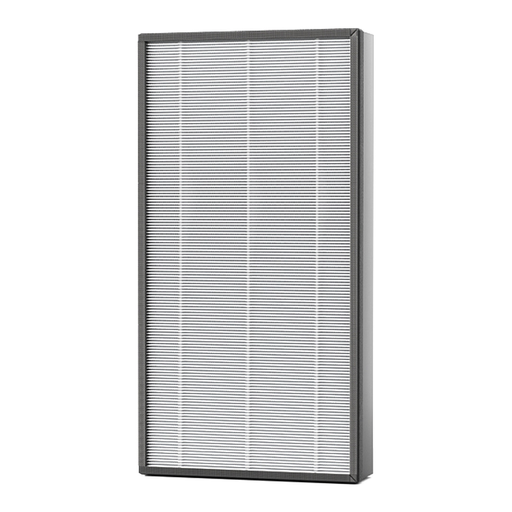
Why it suits this profile: A good choice for homerunPET D1 owners looking for a specific original replacement filter with HEPA and carbon filtration.
The product description specifically links this filter to the D1. That makes it less likely you’ll rely on a general HEPA label alone.
H14 HEPA according to the product information; multiple layers with a pre-filter and activated carbon for hair, dust and odours.
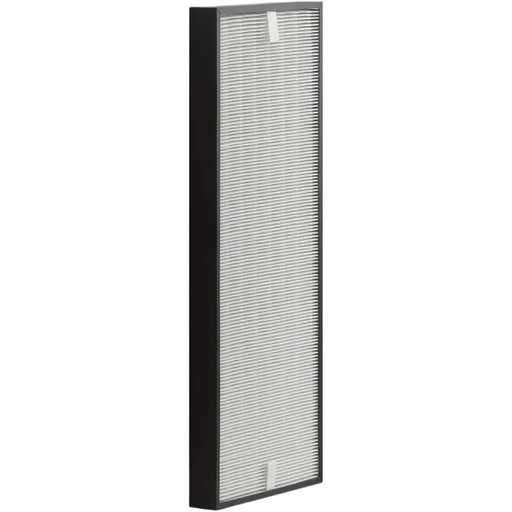
Why it suits this profile: This filter is designed for specific Rowenta Pure Air PU60 models, including the PU6080 and PU6020.
The product information lists the Pure Air PU60 series and the dimensions. Compare these details with your manual before ordering.
Filter dimensions of approximately 52,50 × 20,90 × 4,20 cm; suitable as a replacement within the specified Rowenta series.
We’ve put together a complete, up-to-date list of products that meet these strict selection criteria and the applicable European safety regulations.
Always follow the instructions in your air purifier’s manual. In practice, many filters are replaced every 6 to 12 months, but the right interval depends on how often you use it, your indoor air quality and any filter alerts. In a home with pets, lots of dust or frequent cooking, a filter may become saturated sooner.
Look out for these signs:
A HEPA filter is usually not washable. Water can damage the filter material, while dampness can encourage unwanted growth. Switch off the air purifier and unplug it before replacing the filter. Reset the filter indicator afterwards, if needed. Dispose of the used filter in accordance with local waste regulations.
Check the brand, full model name, model number and filter shape. If possible, use the manufacturer’s compatibility list or the product page. A similar diameter or a filter from the same brand isn’t enough.
The recommended interval is often between 6 and 12 months. Use the appliance’s alert as a guide and take pets, smoke, dust and daily use into account. The interval may be shorter or longer depending on the model.
You should generally avoid washing or reusing a HEPA filter or activated carbon filter. A separate pre-filter may sometimes be washable, but only if the manual explicitly says so. Check before using water or a vacuum cleaner.
