
Vandaag of morgen in huis

Kwaliteit gegarandeerd

Welkomstaanbiedingen ontgrendelen: GRATIS bezorging | Tot 80% korting | Gratis 30 dagen JoyPlus-proefperiode
Download de app
An air purifier only works as intended when its filter is clean, undamaged and suitable for the correct model. But choosing an air purifier filter can easily go wrong: a filter may look like it fits, only to be slightly too large, have a different airflow or lack a layer for odours.
For households with pets, dust or pollen, choosing the right replacement air purifier filter is no small detail. Before buying, check the model number, filter construction and replacement instructions.
A Blueair filter, Xiaomi air purifier filter or TRULIVA KJ450 filter won’t automatically fit every appliance from the same brand. Even within one product range, the diameter, height, connection and filter position can vary.
Always check:
A filter that almost fits physically can still leave gaps. Air may then flow around the filter instead of through it.
Packaging sometimes displays percentages such as 99,95% or 99,99%. These figures only mean something when it’s clear what test conditions, particle size and filter material were used to measure them.
According to product information from various brands and retailers, H13 HEPA filters and H14 HEPA filters can capture fine particles. That doesn’t automatically mean every air purifier delivers the same performance. Fan speed, sealing, airflow and the condition of the filter all play a part.
Treat these claims as product specifications, not as a guarantee of a certain air quality in every room.
A HEPA layer and an activated carbon filter serve different purposes. A HEPA filter is designed for particles such as dust, pollen and pet dander. Activated carbon is mainly used to reduce certain household odours and smoke.
A filter for dust and pollen may therefore have a different composition from an air filter for pet odours. If you’re looking for both features, a multi-layer filter with a pre-filter, HEPA layer and activated carbon is usually the right choice.
Compatibility is the first essential requirement. Don’t just look at the product title: check the list of compatible models too. For example, a filter for the homerunPET D1 is designed for the D1 and won’t automatically fit other homerunPET appliances.
Check the:
A basic pre-filter traps larger particles such as hair and fluff. A combined filter may also contain a HEPA layer and activated carbon.
Product descriptions in this range mention:
A HEPA filter itself is usually not washable. For example, Xiaomi says that the filter for the Smart Air Purifier 4 Lite must not be washed or reused. By contrast, according to the product information, a fabric Blueair pre-filter can be vacuumed and washed. So check which part you’re actually cleaning.
A replacement interval isn’t a fixed guarantee for every home. High levels of dust or pollen, renovation work or pets can cause a filter to become saturated sooner. Some product descriptions suggest an interval of around six to twelve months. You should also follow the appliance’s indicator and check the filter visually.
Switch off and unplug the air purifier before replacing the filter. Insert the new filter in the correct direction and, if needed, reset the filter life indicator afterwards.
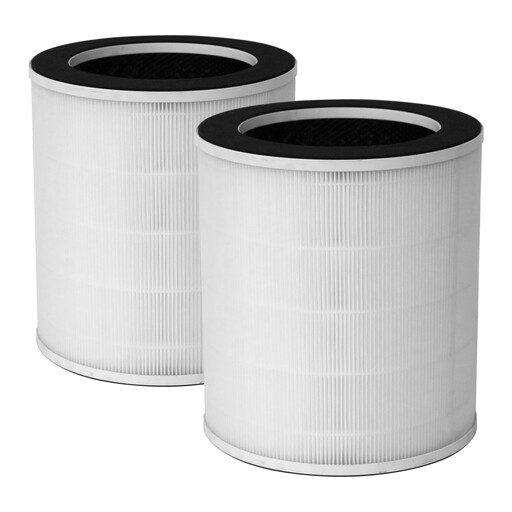
Why it suits this user: This filter is designed specifically for the TRULIVA KJ450 and combines several filter layers in one replacement part. That makes it a straightforward choice for everyday use in a household.
The product information explicitly lists the KJ450 as a compatible model. Even so, check this model number before ordering.
Four-layer construction with pre-filters, H13 HEPA and activated carbon; according to the product description, it’s designed for dust, pollen, hair and household odours.
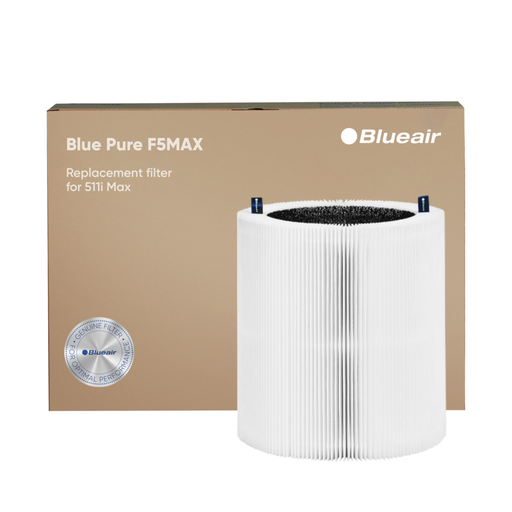
Why it suits this user: A sensible choice for Blue Pure 511i Max owners looking for an original filter with model-specific compatibility.
The product information specifically names the Blue Pure 511i Max and model F5MAX. This makes compatibility clearer than it would be with a generic Blueair filter.
Original Blueair filter for one specified model; the product information describes HEPASilent technology and an appliance alert when the filter needs replacing.
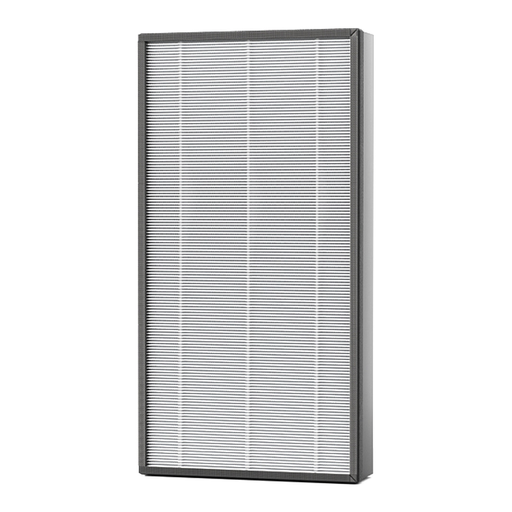
Why it suits this user: Suitable for homerunPET D1 owners looking for a complete filter set for a home with pets and regular use.
The product description lists the homerunPET Air Purifier D1 as a compatible model and describes a five-stage construction. Check the model before fitting it.
H14 HEPA and activated carbon according to the product information; designed for hair, dust, pollen, smoke and odours, among other things.
We’ve put together a complete, up-to-date list of products that meet these strict selection criteria and the applicable European safety regulations.
A separate pre-filter may sometimes need cleaning. According to the product information, the washable fabric pre-filters for the Blueair Blue Pure 511i Max can be reused. Let the filter dry completely before putting it back.
Find the exact model number on the air purifier, old filter or manual. Then check the product page for compatibility and dimensions. The brand name alone isn’t enough.
It depends on the model and how you use it. Product information often suggests around six to twelve months, but a filter in a home with pets or a lot of dust may need replacing sooner. Use the filter indicator too, and check for visible dirt.
Usually not. Washing can damage the filter material and affect airflow. Only parts that the manufacturer says are washable, such as some fabric pre-filters, should be cleaned. Always let them dry completely before putting them back.
