
Vandaag of morgen in huis

Kwaliteit gegarandeerd

Welkomstaanbiedingen ontgrendelen: GRATIS bezorging | Tot 80% korting | Gratis 30 dagen JoyPlus-proefperiode
Download de app
Replacing an air purifier filter seems simple, until you discover that filters can vary considerably from one appliance to another. A filter that looks almost the right shape may still fit poorly, restrict airflow or fail to be recognised by your appliance’s filter indicator. Filters for air purifiers are also sometimes confused with odour absorbers or carbon filters for cooker hoods.
The most important consideration is therefore not just the price. First check the model, filter construction and expected maintenance. This will help you avoid buying a replacement air purifier filter that becomes unusable after just a few months.
The term HEPA filter does not tell you everything. A HEPA H13 filter and a HEPA H14 filter, for example, have different stated filtration classes. The dimensions, seals and air resistance also determine whether the filter is compatible with your appliance.
A filter with a higher classification is not automatically suitable. If the filter does not seal properly, air may flow around the filter element. Always check the exact appliance model, rather than just the brand.
A filter for smoke and odours usually contains activated carbon. This material is designed to adsorb certain odours and gaseous substances. A HEPA filter, on the other hand, targets airborne particles such as dust, pollen and pet dander.
For a cooker hood, wardrobe, car or shoe cupboard, a carbon filter or bag of bamboo charcoal may be sufficient. However, such a product does not automatically replace the original filter in an electric air purifier.
Service life depends on hours of use, dust levels, pets, smoke and the air quality in the room. A replacement air purifier filter may, for example, need replacing after six to twelve months according to the product description, while a cooker hood filter may sometimes be replaced every two to four months.
A visibly dusty pre-filter is not always a reason to wash a HEPA filter. Many HEPA filters are not washable. Always follow the instructions and pay attention to your appliance’s filter alert.
Before ordering, note down:
A Xiaomi air purifier filter for the Smart Air Purifier 4 Lite is not necessarily suitable for the 4 Pro. The product description for the Xiaomi 4 Lite filter lists model M17R-FLP and a 360° construction. Check these details against the label on your appliance.
Blueair also has several different series. A Blueair Mini Restful filter is designed for the Mini Restful, while a Blueair Blue Pure FMINI filter is intended for the Blue Pure Mini Max. The Blue Pure 511i Max has a separate F5MAX filter.
A practical filter design often consists of several layers:
Claims about performance should be read as information provided by the manufacturer. According to the homerunPET product description, the D1 filter has an H14 HEPA layer and an activated carbon layer. The same description states that it is designed for the homerunPET Air Purifier D1 and recommends replacement after six to twelve months. This makes it particularly relevant if you own this exact model.
The designations HEPA H13 filter and HEPA H14 filter refer to filter classes within a technical classification. Product pages may also state a percentage and particle size. These figures apply only within the measurement method described and to the filter material; they do not automatically indicate how much air a complete air purifier can clean in a Dutch living room.
According to the product description, Homintell claims an H13 classification and efficiency of up to 99.95 per cent for the Kilo/Mercury filter. The Callisto filter is stated in the product description to achieve up to 99.97 per cent. Use this information as a point of comparison, but also check the dimensions, filter thickness and compatibility with your appliance.
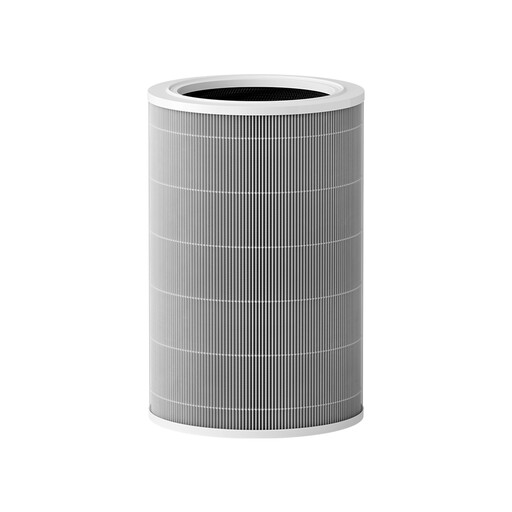
Why it suits this profile: A practical choice for owners of the Xiaomi Smart Air Purifier 4 Lite who are looking for a compatible original filter without having to compare different sizes.
The product description explicitly lists the Xiaomi Smart Air Purifier 4 Lite and model M17R-FLP. Check this designation before purchasing.
360° construction, pre-filter, HEPA H13 layer and activated carbon according to the product description.
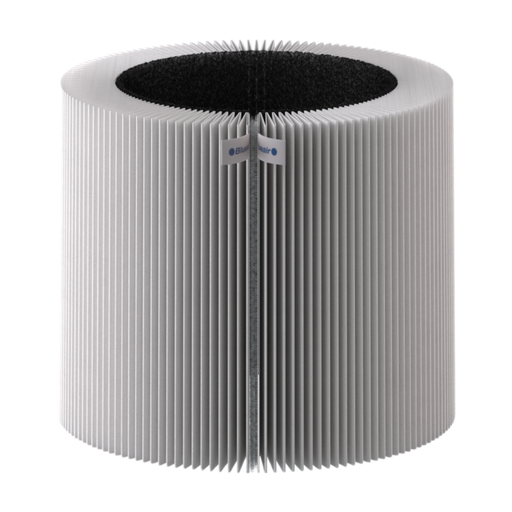
Why it suits this profile: Suitable for anyone looking for a specific Blueair filter for a bedroom or small room, where the original model designation is important.
The product page names the Mini Restful as the specifically compatible model. This helps you avoid confusion with Blue Pure Mini Max or 511i Max filters.
HEPASilent technology and stated filtration of 99.97 per cent according to Blueair’s own information.
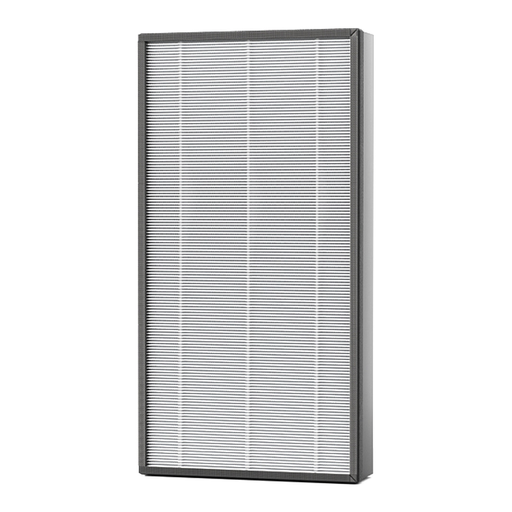
Why it suits this profile: Designed for households with pets or higher levels of hair, dander, dust and odours.
According to the product information, this filter is specifically made for the homerunPET D1. It is not intended as a universal filter for other models.
H14 HEPA, activated carbon and a pre-filter in one set according to the product specifications; replacement recommended after six to twelve months.
Are you looking for a filter for smoke and odours rather than a filter for an electric air purifier? Specific carbon filters are available for Ciarra cooker hoods, such as the CBCF003, CBCF002X2, CBCF009 and CBCF055. Each type has its own dimensions and compatible models. According to the product information, these filters are generally replaced every two to four months, depending on usage.
For smaller spaces without an air purifier, a Zooly bamboo charcoal bag can be an alternative for odour absorption. According to the product description, it contains natural bamboo charcoal and is intended for wardrobes, shoe cupboards, cars and pet areas, among other places. The manufacturer recommends placing it in the sun for a few hours each month. This is an odour and moisture absorber, not a HEPA replacement filter.
We have compiled a complete, up-to-date list of products that fully meet these strict selection criteria and the applicable European safety regulations.
Switch off the appliance and unplug it before opening the filter compartment. Insert the new filter in the indicated direction and close the housing securely. Then reset the filter indicator if instructed to do so in the manual.
Do not wash a HEPA filter unless the manufacturer explicitly states that it is safe to do so. Allow a washable pre-filter to dry completely before putting it back. Keep used filters and plastic packaging out of the reach of children and follow local waste-disposal regulations.
This varies according to the model and how it is used. Product information often states a period of six to twelve months, but smoke, pets and high dust levels can shorten the service life. Your appliance’s filter indicator and manual should be treated as the final authority.
Usually not. Water can damage the filter material, while moisture may cause unpleasant odours or mould. Only a separate washable pre-filter should be cleaned, and only when the manufacturer says that it can be.
A carbon filter is primarily designed for certain odours and gaseous substances. For dust, pollen and dander, you will generally need a suitable fine-particle or HEPA filter. Always check the combination of filter layers in the product description.
