
Vandaag of morgen in huis

Kwaliteit gegarandeerd

Welkomstaanbiedingen ontgrendelen: GRATIS bezorging | Tot 80% korting | Gratis 30 dagen JoyPlus-proefperiode
Download de app
An air purifier can help filter dust, pollen, smoke particles and odours from indoor air. However, it is not wise to rely solely on terms such as “powerful”, “smart” or “suitable for allergies”. The right choice mainly depends on the room, the filter type and how much noise you find acceptable.
A manufacturer may state a maximum room size, but this figure does not always indicate how quickly the air is refreshed. You should therefore also look at the CADR rating, which is the amount of filtered air per hour. A device with a high CADR is generally more suitable for a large living room than a compact air purifier whose packaging only features a large marketing claim.
Also pay attention to the difference between one air change per hour and several air changes per hour. A compact model may be sufficient for a bedroom or home office, while an open-plan living room requires greater capacity.
An air purifier with a HEPA filter only works effectively when the filter is fitted correctly and replaced on time. HEPA, H13 and brand-specific filter names are not automatically interchangeable. So check:
You should generally not wash a HEPA filter. According to product information from Xiaomi, Blueair and Jafända, among others, water can damage the filter layer. Dust on the outside should only be removed in accordance with the instructions.
A quiet air purifier can be useful in the bedroom, but check which fan speed the stated noise level applies to. A low figure in sleep mode does not mean that the device will be equally quiet at its highest setting. For example, the ROUNY AP-T1 and AP-T2 state a maximum of 25 dB in sleep mode and a maximum of 52 dB at high speed.
A HEPA layer is important for dust, pollen and fine particles. A carbon filter is designed to reduce odours and certain gaseous substances. The pre-filter traps larger particles, such as hair and fluff, so that the finer filter layer is not put under as much strain.
An air purifier for pets should therefore ideally combine a pre-filter, HEPA filter and activated carbon layer. Do not expect a single device to eliminate every source of odour or pollution. Ventilation, cleaning and tackling the source itself remain important.
The CADR rating makes it easier to compare models. Here are some examples from the product specifications:
Treat these room-size figures as an indication. Ceiling height, doors, ventilation and the desired air-change rate all affect actual performance.
For a bedroom, the lowest noise level is particularly important. In a living room, a higher fan setting may matter more. An air quality indicator or PM2.5 sensor shows when air quality changes, while an automatic mode can adjust the fan speed.
Smart models add control via an app or voice assistant. This is convenient, but not essential for filtration. Also check whether Wi-Fi is required and which functions remain available without the app.
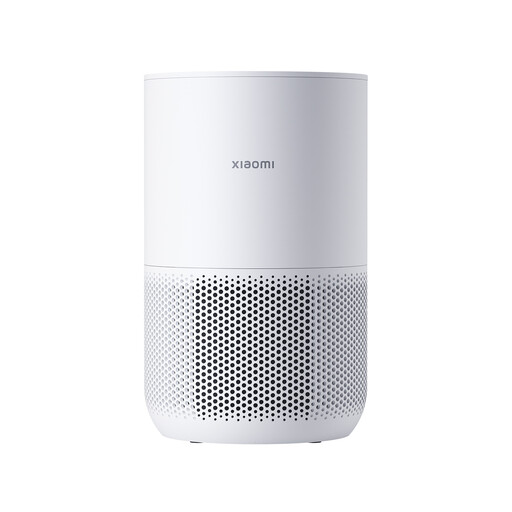
Why it suits this profile: This compact model has a CADR of 230 m³/h, a stated filter life of 6–12 months and Wi-Fi connectivity. This makes it suitable for a smaller bedroom, home office or studio flat.
The CADR and dimensions are clearly stated, so you do not have to choose the model based solely on a general room-size claim.
230 m³/h CADR, compact design and control via 2.4GHz Wi-Fi.
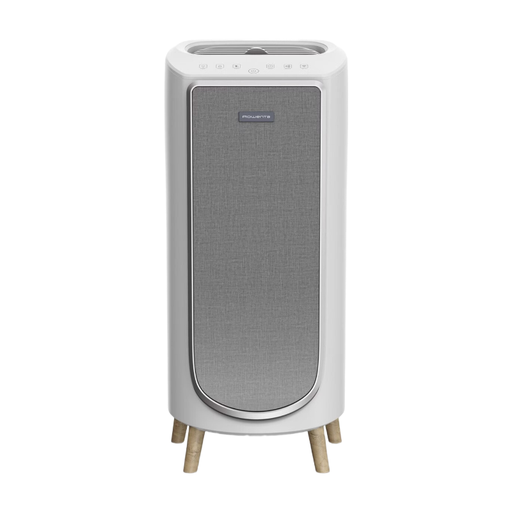
Why it suits this profile: This model combines a HEPA, carbon and nano filter with Wi-Fi, automatic detection and several modes. According to the product description, the minimum noise level is 32 dB(A).
The product information lists the filter types, CADR and noise level, as well as the required app connection.
CADR of 360 m³/h, automatic mode, app control and air quality indicator.
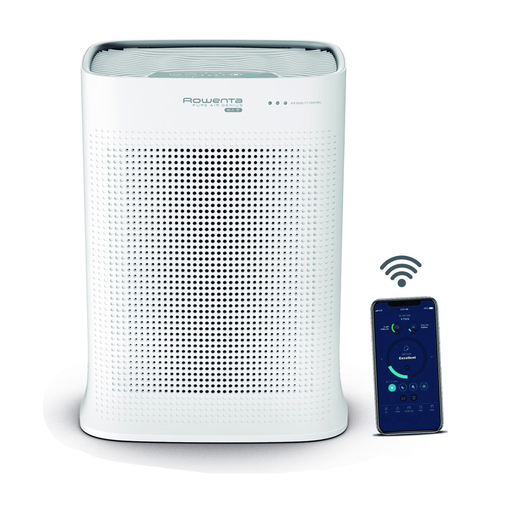
Why it suits this profile: Its stated capacity of up to 140 m², four-stage filtration, 50 W power and five fan speeds make this model suitable for a spacious living room or open-plan living area.
The product description separately lists the pre-filter, carbon, HEPA and formaldehyde filters, and includes a filter indicator.
Four-stage filtration, 360° air intake, automatic mode and a stated capacity of up to 140 m².
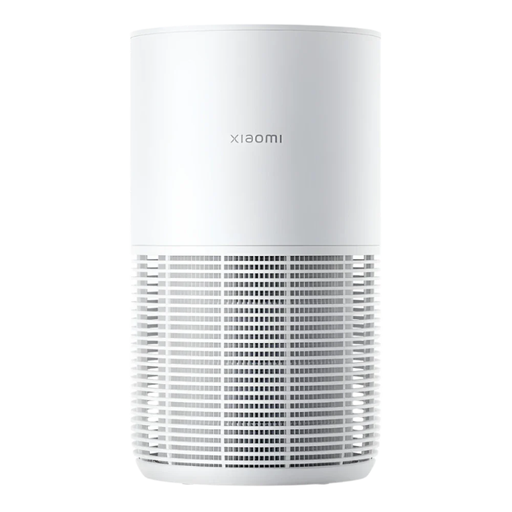
Why it suits this profile: According to Xiaomi, this model has a pre-filter, HEPA filter and activated carbon layer, as well as app control, voice commands, a PM2.5 sensor and child lock.
The pre-filter is designed for larger particles such as hair, while the filter status and air quality are shown on the device.
CADR of 230 m³/h, coverage of 16–27 m², 27 W power and child lock.
We have compiled a complete, up-to-date list of products that fully meet these strict selection criteria and the applicable European safety regulations.
According to the product descriptions of the models mentioned, an air purifier with a HEPA filter is designed to capture airborne particles such as dust and pollen. The device does not automatically remove pollen that has already settled on furniture, floors or clothing. Regular cleaning and ventilation are therefore still necessary.
This varies by model, usage time and air quality. Manufacturers often state approximately 6–12 months. A filter indicator provides an indication, but always check the instructions. A saturated filter can reduce airflow.
Consumption depends on the power rating and the selected fan speed. The product specifications give examples ranging from 21 W for the Philips PureProtect Mini 900 Series to 60 W for larger models. An automatic or sleep mode can help limit usage, but actual consumption depends on how long and at which setting you use the device.
