
Vandaag of morgen in huis

Kwaliteit gegarandeerd

Welkomstaanbiedingen ontgrendelen: GRATIS bezorging | Tot 80% korting | Gratis 30 dagen JoyPlus-proefperiode
Download de app
A breath of fresh air, right in your own home. That's the promise of an air purifier. Whether you suffer from hay fever, own a pet, or simply want to improve the air quality in your urban apartment, the right device can make a noticeable difference. But the market is flooded with models making lofty promises. Many people fall for marketing traps and end up with a device that costs more than it delivers.
As a Joybuy Product Recommendation Officer, I see where things go wrong every day. Before you make a choice, it's crucial to understand these common pitfalls:
smart air purifier with app control can be convenient, but many extras are pure gimmicks. Don't pay extra for features you'll never use that add nothing to the core function: clean air.To avoid a bad purchase, it's better to focus on a few objective specifications. These determine whether an air purifier will be truly effective for your situation.
This is the most important number to check. The CADR indicates how many cubic meters of clean air the device can deliver per hour (m?/h). A higher CADR means the air in your room is purified faster.
A simple rule of thumb: choose an air purifier with a CADR high enough to completely exchange the air in your room at least 3 to 5 times per hour. For an average bedroom of 30 m? (about 12 m?), a CADR of 90-150 m?/h is a good starting point. For a larger living room, you'll need a significantly higher CADR.
The effectiveness of an air purifier for dust or pollen depends entirely on its filter. Look for the following types:
allergy air purifier, as it effectively removes pollen, dust mites, mould spores, and pet dander from the air.air purifier for pets combine a HEPA filter with an activated carbon filter.Nobody wants a roaring appliance in their home, especially not in the bedroom. A quiet air purifier is crucial for an undisturbed night's sleep. The noise level is expressed in decibels (dB).
bedroom air purifier in night mode.Based on these objective criteria, we have selected several models that suit different needs and living spaces.
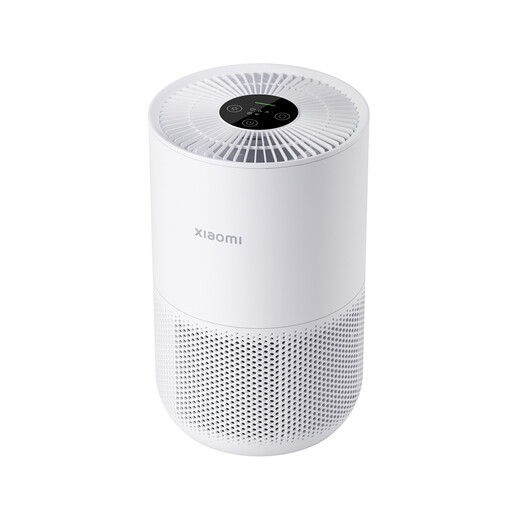
Why This Fits Their Persona: Ideal for the bedroom or a small office. This compact model is designed for efficiency in spaces up to 48 m? (according to the manufacturer) and focuses on what really matters: quiet operation and effective filtration.
The smart features are practical: the automatic mode adjusts the fan speed based on air quality, and the night mode is extremely quiet at 18.3 dB. No unnecessary frills, just functionality.
CADR of 230 m?/h: Powerful for its size. Low energy consumption: Only 27W, suitable for 24/7 operation.
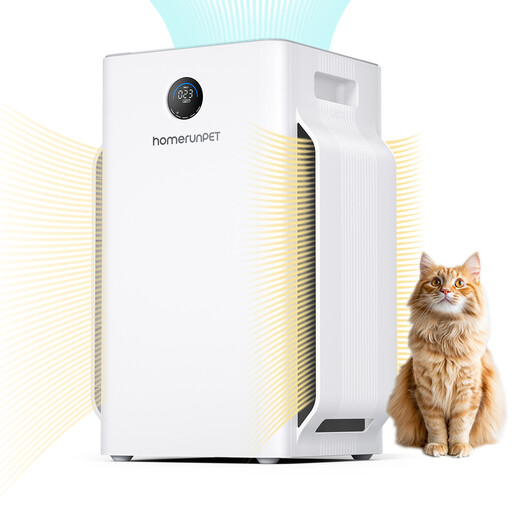
Why This Fits Their Persona: Specifically designed for households with pets. This model not only tackles hair and dander but is also focused on neutralising the associated odours.
This model combines a HEPA filter with an activated carbon filter, which is essential for odour removal. It's not a standard air purifier, but a targeted solution for a specific problem.
True HEPA filtration: Captures dander and allergens. Quiet sleep mode (25 dB): Won't disturb you or your pet. Don't forget to check the corresponding replacement filter.
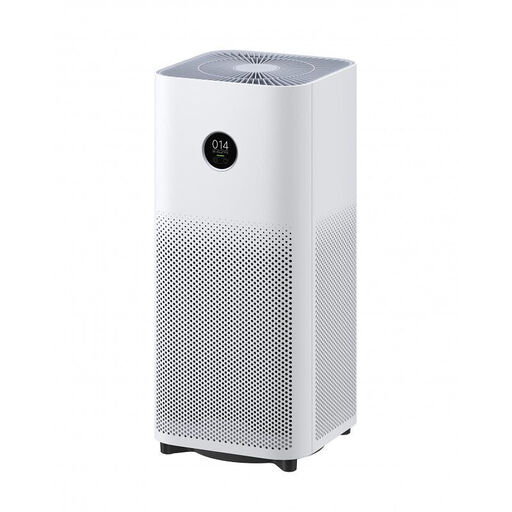
Why This Fits Their Persona: For those who need serious purification power in a large living room or open-plan space. This model delivers performance without an exorbitant price tag.
With a CADR of 500 m?/h, you can be sure you have sufficient capacity. This avoids the pitfall of an underpowered device for a large space, ensuring you're actually refreshing the air.
High CADR (500 m?/h): Cleans a 40 m? room in about 15 minutes, according to Xiaomi. PM2.5/PM10 sensor: Detects both fine and coarse particles for a precise automatic mode.
An air purifier is only as good as its filter. Using the correct, manufacturer-recommended air purifier replacement filter is essential for your device's performance and longevity. Third-party filters may not fit properly, allowing polluted air to leak past the filter. Always check the availability and price of filters, such as a Homintell HEPA 13 Filter or a Blueair Replacement Filter, before purchasing an air purifier.
We have compiled a complete, up-to-date list of products that meet these strict selection criteria.
This depends on the model, usage intensity, and the air quality in your home. Generally, it's recommended to replace a HEPA and carbon filter every 6 to 12 months. Many modern air purifiers have an indicator that tells you when it's time for a replacement.
For optimal performance, place the air purifier on a flat surface with at least 30-50 cm of free space on all sides. Don't put it in a corner or directly against a wall. The ideal spot is in the room where you spend the most time, such as the living room or bedroom.
A model with a True HEPA filter can significantly reduce airborne allergens. It filters pollen, dust mites, and pet dander, which can lead to relief from indoor symptoms for many people using an allergy air purifier. It is not a medical solution, but a tool to help reduce exposure to triggers.
