
Vandaag of morgen in huis

Kwaliteit gegarandeerd

Welkomstaanbiedingen ontgrendelen: GRATIS bezorging | Tot 80% korting | Gratis 30 dagen JoyPlus-proefperiode
Download de app
An air purifier can help reduce airborne particles, dust and certain odours indoors. However, not every model is right for every home. A compact air purifier for a bedroom needs different features from one designed for a large room, workshop or home with pets.
Marketing copy often emphasises terms such as “powerful”, “quiet” or “smart”. The practical details can be less obvious. Before you buy, pay particular attention to the following pitfalls.
A stated floor area means little without the corresponding CADR rating. CADR stands for Clean Air Delivery Rate and indicates how much filtered air a device can deliver per hour. A model might be described as suitable for a large room with one air change per hour, but less suitable if you want to filter the air more quickly.
So don’t compare square metres alone. Check the CADR in m³/h too, and match it to the room where you’ll use the device.
An air purifier with a HEPA filter is mainly designed to capture airborne particles such as dust, pollen and fine particulate matter. For smoke and odours, you’ll also need a carbon filter or activated carbon layer. How well it works depends, among other things, on the amount of carbon and the filter’s composition.
A HEPA filter alone won’t necessarily tackle cooking smells, tobacco smoke or pet odours. Check whether the product also lists a carbon filter and how often it needs replacing.
“Quiet air purifier” often means that the noise level is low on the lowest or sleep setting. At the highest fan speed, the device may be noticeably louder. That’s normal: a higher airflow requires more power.
Check the noise levels for several settings. For a bedroom, a sleep mode, dimmable lights and a timer are often more important than a single low dB figure.
For a small bedroom or home office, a model with a CADR of around 117 to 150 m³/h may be suitable, depending on the size of the room and how quickly you want the air refreshed. Models with around 212 to 450 m³/h are more practical for a living room. A large space may need a higher capacity or more than one device.
Bear in mind that manufacturers may state room coverage using different testing methods. Use CADR as a comparable measure, and take into account open doors, high ceilings and the layout of your home.
A common combination consists of:
Some devices list an H13 or H11 classification. Check whether the filter is replaceable, how much a replacement costs and how often the manual recommends changing it. A washable pre-filter can make maintenance easier, but a composite filter shouldn’t be washed unless the manufacturer says it can be.
If you use the device every day, a night mode, automatic control and a clear filter indicator can be useful. A PM2.5 sensor can show the measured concentration of particles and adjust the fan speed in automatic mode. This is a measurement feature, not a guarantee that all air pollution will be detected.
A smart air purifier with an app can be useful for setting schedules, controlling the device remotely and getting filter replacement reminders. Before you buy, check that the app and any voice assistant work with your smartphone and network.
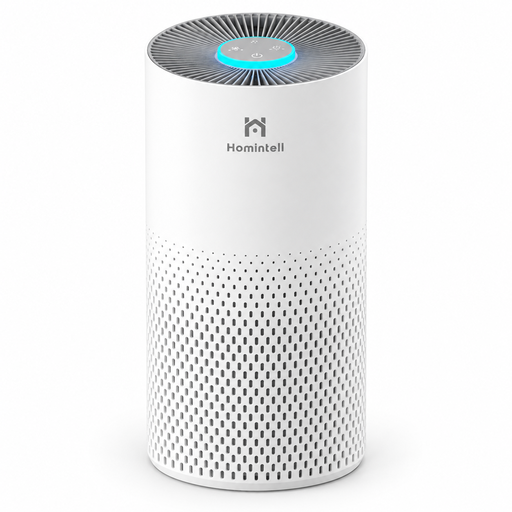
Why it suits this buyer: According to the product specifications, this compact model is designed for rooms of around 16 to 18 m². It has three speeds, a timer and touch controls, making it a straightforward choice for a first purchase.
The stated CADR of 150 m³/h and room capacity give you more to go on than a general air purification claim alone.
3-in-1 filter with pre-filter, HEPA filter and carbon filter; timer settings of 2, 4 and 8 hours.
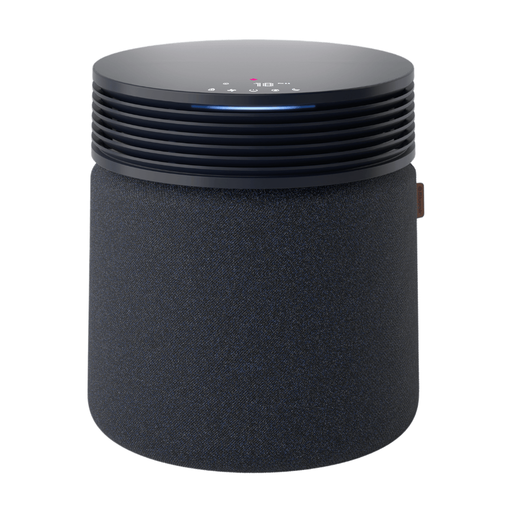
Why it suits this buyer: With a stated CADR of more than 700 m³/h and coverage of up to 154 m², this model is designed for large living rooms and family spaces.
The combination of CADR, automatic mode, filter indicator and app controls gives you a clearer picture of how the device works than a room-size claim alone.
HEPASilent filtration, OdorFence technology according to the product description, and control via the Blueair app.
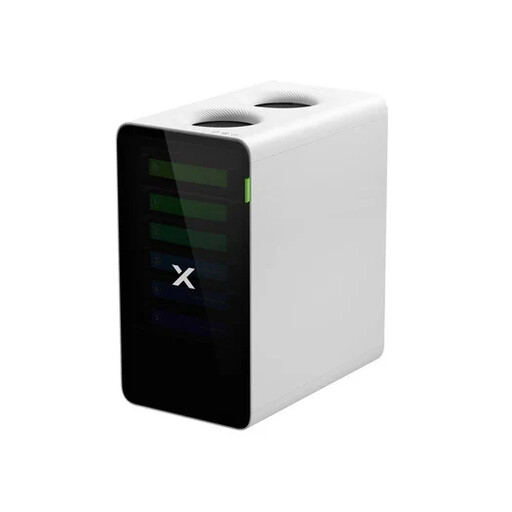
Why it suits this buyer: This device is specifically designed to deal with smoke and dust from laser engravers. It’s not a general-purpose air purifier for the living room, but a targeted choice for a hobby room or workshop.
Its intended use and compatibility are clearly described, so you’re less likely to choose this model by mistake for a regular living space.
According to the product title, the model features a SuperCyclone system and six filtration layers for dust and odours.
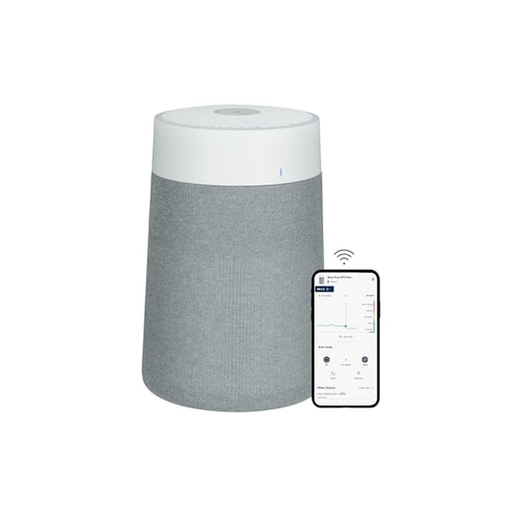
Why it suits this buyer: According to the product specifications, this model has a CADR of 212 m³/h, coverage of up to 43 m² and a noise level of 19 dB on its lowest setting.
The noise figures are given for both the lowest and highest settings. This helps you judge the difference between a quieter night’s sleep and maximum capacity.
App controls, night mode and a stated noise range of 19 to 48 dB.
We’ve put together a complete, up-to-date list of products that meet these strict selection criteria and the applicable European safety regulations.
Place the device on a level surface and usually leave at least 30 cm of clearance around the air inlet and outlet. Don’t put it behind curtains, right next to a radiator or in a damp bathroom. In a bedroom, it’s often more practical to place it some distance from the bed rather than right next to your pillow.
It varies by model, how long you use it and how polluted the air is. The specifications for the models mentioned give filter life estimates of around six to nine months; some devices also alert you when it’s time for a replacement. Only vacuum a pre-filter if it’s designed for this. Replace HEPA and carbon filters as instructed in the manual, and don’t wash them unless the manufacturer explicitly says you can.
The costs include electricity and replacement filters. A device with low power consumption will generally cost less to run over long periods, but the fan setting has a big impact on energy use. Before choosing a model, check its wattage, filter price and recommended replacement frequency.
