
Vandaag of morgen in huis

Kwaliteit gegarandeerd

Welkomstaanbiedingen ontgrendelen: GRATIS bezorging | Tot 80% korting | Gratis 30 dagen JoyPlus-proefperiode
Download de app
An air purifier can help filter dust, pollen, smoke particles and pet odours from the air indoors. However, it can be difficult to compare models fairly. Manufacturers use different methods to measure room size, noise levels and filter performance. As a result, a compact unit may look suitable for a large living room on paper, even though it is really intended for a bedroom.
So don’t focus only on terms such as “HEPA”, “quiet” or “smart”. Look at the combination of CADR, filter design, noise level, maintenance and actual room size.
A manufacturer may quote a coverage area based on one air change per hour. For a living room, bedroom or home office, you’ll usually want to know how much air the unit can actually filter each hour. The CADR rating, expressed in m³/h, is a useful way to compare models.
A model with a CADR of 150 m³/h may suit a small room, but is less likely to be the right choice for an open-plan living room. Check whether the stated coverage is based on one or several air changes per hour, too.
A HEPA air purifier is designed to capture airborne particles such as dust and pollen. Odours and certain gases also call for a carbon filter or another additional filter layer. A thin layer of carbon may have less capacity than a larger filter containing more activated carbon.
According to the manufacturer’s product information, the Xiaomi Smart Pet Care uses a pre-filter, HEPA filter and activated carbon layer. This makes it worth considering if you’re looking for an air purifier for pets, but it doesn’t automatically replace ventilation or cleaning.
A figure of, say, 20 or 25 dB often applies to the lowest setting or sleep mode. Noise levels can be considerably higher at the maximum setting. So always compare both figures when looking for a quiet air purifier for the bedroom.
Also check for display lights, beeps and the option to switch off the lights. These small details can make a big difference at night.
CADR stands for Clean Air Delivery Rate. A higher figure generally means that a unit can deliver a given amount of filtered air more quickly. Use the stated room coverage as a guide, not a guarantee of the same performance in every home.
As a general guide for homes in the Netherlands:
The layout, ceiling height, open doors, and presence of smoke or pets all affect the capacity you’ll need.
A practical air purifier usually has several layers:
A washable pre-filter can make maintenance easier. However, you shouldn’t simply wash the HEPA or combined filter. Always check the instructions and remove any plastic packaging around the filter before use.
A filter needs replacing over time. Product information for various models gives an interval of around six to nine months, depending on use and air quality. Other models, such as the Shark NeverChange Max, are designed for a much longer filter life, according to the manufacturer. Check the conditions that apply to this claim.
Also work out the ongoing costs:
A cheap unit with filters that are difficult to find may be less economical in the long run.
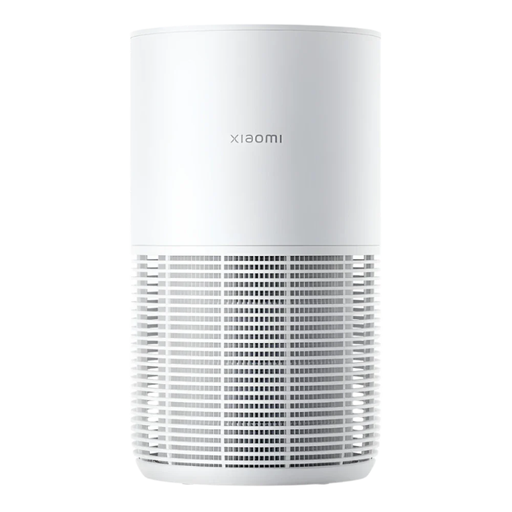
Why it suits this profile: This compact model is designed for rooms measuring 16 to 27 m² and can be controlled using the Xiaomi Home app. It’s a practical starting point for a bedroom, home office or pet area.
Its stated CADR of 230 m³/h and clearly specified room coverage make it easier to compare its capacity with the size of your room.
Three-layer filter with HEPA and activated carbon, PM2.5 sensor, app control, child lock and a stated power rating of 27 W.

Why it suits this profile: With stated coverage of 154 m², a CADR of more than 700 m³/h and app control, this model is aimed at large living spaces and households that value extensive control options.
The manufacturer gives both the CADR and room performance figures. Check that the selected setting and number of air changes suit your living room.
Seven-stage filtration according to the product description, OdorFence technology, automatic mode, night mode and filter notifications via the app.
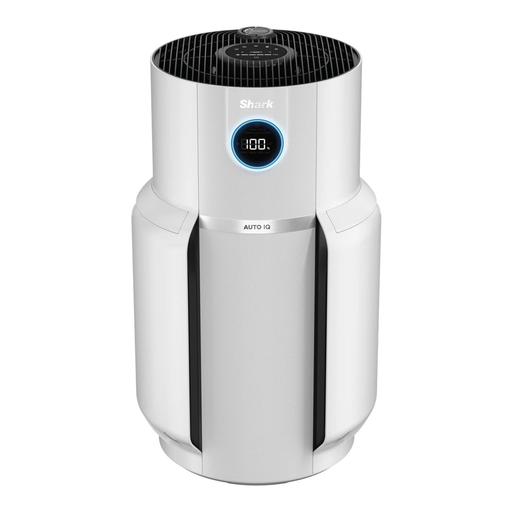
Why it suits this profile: The manufacturer positions this unit for large spaces of up to 130 m² at one air change per hour. It’s particularly worth considering if you want to replace the filter less often.
The product information explicitly states an expected filter life of up to five years. Check the terms and availability of replacement filters before buying.
Four-stage filtration, Auto IQ, LED air quality display, stated noise level of 45 dB and Wi-Fi connectivity.
We’ve put together a complete, up-to-date list of products that meet these strict selection criteria and the applicable European safety regulations.
Place your air purifier on a stable, dry surface and, ideally, leave around 30 cm of space around it. Don’t put it directly behind a sofa, curtain or cupboard. In a bedroom, a low setting is often more comfortable than repeatedly using the highest setting for short periods.
A PM2.5 air purifier with automatic mode can adjust the fan speed based on a sensor. Treat readings as an indication: sensors may respond to cooking, candles or dust, but they don’t measure every possible pollutant. So continue to ventilate as usual, and don’t use an air purifier for smoke and odours as a replacement for an extractor fan.
It varies by model, how long you use it and the quality of the indoor air. Many product descriptions quote around six to nine months. Check the filter indicator and replace the filter as instructed by the manufacturer. A saturated filter can restrict airflow.
Energy use depends on the power rating and setting. For example, models in the selection above range from around 27 to 60 W. The lowest or automatic setting generally uses less energy than continuous operation at maximum speed. Check the rated power rather than relying only on marketing claims about energy efficiency.
An air purifier with an app is handy for setting schedules, controlling the unit remotely, receiving air quality updates and getting filter alerts. If you simply want to switch on a unit in the bedroom, physical buttons may be enough. For smart models, also check which Wi-Fi connection, account registration and voice assistants are required.
