
Vandaag of morgen in huis

Kwaliteit gegarandeerd

Welkomstaanbiedingen ontgrendelen: GRATIS bezorging | Tot 80% korting | Gratis 30 dagen JoyPlus-proefperiode
Download de app
An air purifier can help reduce airborne particles, pollen, dust and odours in your home. However, it is easy to pay too much for features you will not use. A stylish display or impressive filter percentage means little if the appliance does not move enough air for your room.
The main pitfalls when buying an air purifier are:
CADR stands for Clean Air Delivery Rate and indicates how much purified air an appliance delivers per hour. A higher CADR is particularly useful in a living room, open-plan kitchen or office. For a bedroom, a compact model with a lower CADR may be sufficient.
Use the stated room size as a guideline, not a guarantee. A room with high ceilings, lots of textiles or open doors may require more capacity. An air purifier for a large room should therefore not only specify a large coverage area, but also provide suitable airflow.
An air purifier with a HEPA filter is designed to target fine particles such as dust, pollen and certain allergens. A pre-filter captures larger particles, such as hair and fluff. An activated carbon filter can help reduce odours and certain volatile substances.
Pay attention to the complete filter combination:
Claims about filter performance are product claims. Percentages may vary depending on the test setup, based on the brand’s own research or measurements. Treat them as product specifications, not medical guarantees. An air purifier for allergies is not a substitute for ventilation or professional health advice.
For a quiet air purifier for the bedroom, the lowest night setting and the brightness of the indicator lights are important. Also check the maximum noise level, as an appliance can be clearly audible at its highest setting.
An air purifier with an air quality sensor can adjust the fan speed automatically. A PM2.5 sensor provides information about fine particles, but does not automatically measure all odours, pollen or gases. Smart models sometimes add app control, scheduling and voice control. These features are convenient, but not essential for straightforward everyday operation.
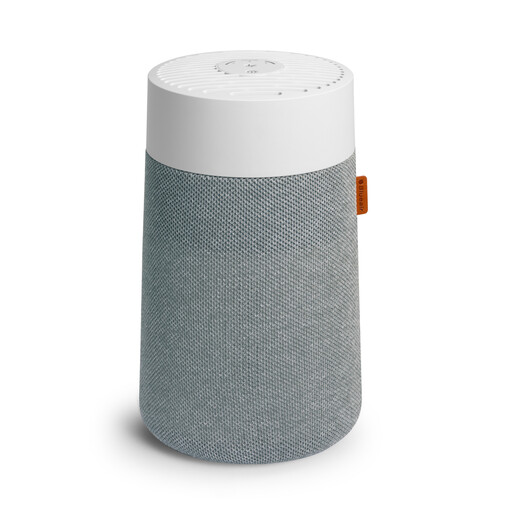
Why it suits this profile: This compact model is suitable for a bedroom, nursery, home office or another room of up to around 20 m².
Its CADR of 117 m³/h makes the capacity easier to assess than a general marketing claim about “clean air” alone.
Compact size, a weight of 2.5 kg and a stated capacity of up to 20 m². According to Blueair, the model removes at least 99.97% of certain particles down to 0.1 micron.
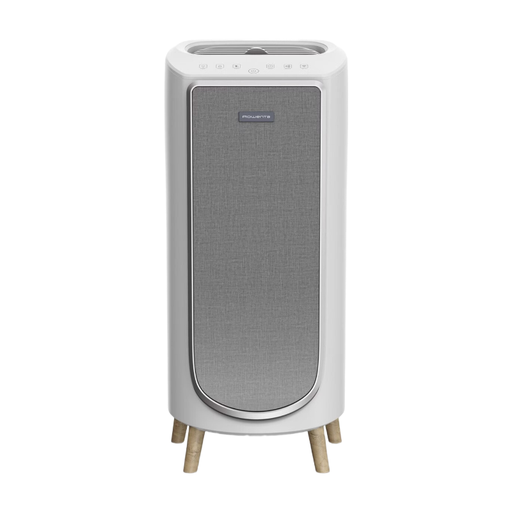
Why it suits this profile: A suitable choice for anyone who values multiple settings, automatic detection and Wi-Fi control.
The stated CADR of 360 m³/h and four modes provide more useful guidance than a stated maximum room size alone.
HEPA, nano and carbon filters, a Wi-Fi app, automatic pollution detection and a stated noise level from 32 dB.
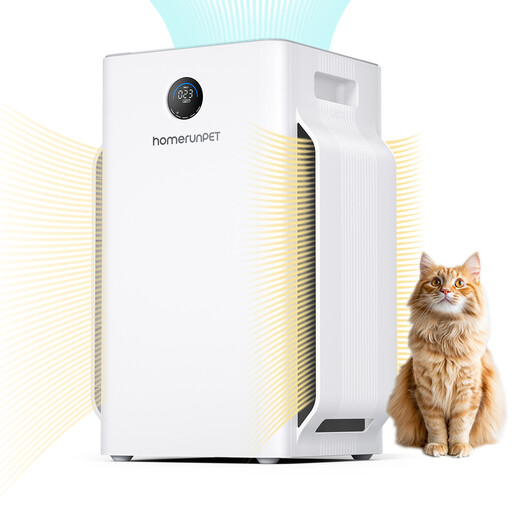
Why it suits this profile: Designed for households with cats, dogs or other pets, with a focus on hair, odours and everyday use.
The combination of a washable pre-filter and a filter replacement reminder makes maintenance easier to monitor when dealing with lots of hair and dust.
CADR for rooms up to 40 m², an air quality indicator, automatic mode, child lock and a sleep mode from 25 dB according to the product information.
Place an air purifier on a stable, level surface, leaving at least approximately 20 to 30 cm of clear space around the air inlet and outlet. Do not place the appliance behind a curtain, directly next to a radiator or in a damp bathroom.
For effective operation:
According to the product information, a filter often lasts approximately 6 to 12 months. Its actual lifespan depends on usage, pets, smoke, dust and outdoor air quality. Factor the filter price into the total running costs.
We have put together a complete, up-to-date list of products that fully meet these strict selection criteria and the applicable European safety regulations.
A model with a suitable HEPA filter and sufficient CADR may be designed to target pollen, dust and other airborne particles according to its product specifications. The appliance will not automatically remove dust that has already settled on furniture. Regular vacuuming and ventilation therefore remain important.
It varies by model and fan speed. Compact models sometimes specify a sleep mode of around 20 to 25 dB. Always check the full range. For example, an appliance rated at 19 dB on its lowest setting may reach around 48 dB at maximum speed.
Consumption depends on the appliance’s power rating and how many hours it runs. The models in this selection range from approximately 21 to 60 watts, for example. Automatic mode can limit usage when the sensor detects few particles, but exact consumption depends on the room and settings.
