
Vandaag of morgen in huis

Kwaliteit gegarandeerd

Welkomstaanbiedingen ontgrendelen: GRATIS bezorging | Tot 80% korting | Gratis 30 dagen JoyPlus-proefperiode
Download de app
An air purifier can help filter airborne particles such as dust, pollen, smoke and pet dander from indoor air. However, not every model is suitable for every room. A compact device in a large living room may run continuously at high speed, while a powerful model in a bedroom could use more energy or make more noise than necessary.
The most common buying mistakes usually come down to three misunderstandings:
CADR stands for Clean Air Delivery Rate and is measured in m³/h. This figure tells you how much filtered air the device can deliver per hour. A higher CADR is generally better suited to a larger room or to anyone who wants to filter the air more quickly.
Always compare the stated room size with how you plan to use the device:
An air purifier for large rooms shouldn’t just sound impressive in the product title. CADR, placement and the cleaning speed you want are more important.
A HEPA air purifier uses a fine-particle filter to capture small airborne particles. A pre-filter traps larger particles such as hair and dust. A carbon filter is designed to adsorb odours and certain gases.
For different needs:
Claims such as “99.97% removal” come from the brand’s product information and apply under the stated test conditions. Don’t treat this as a guarantee for every room or situation. An air purifier also doesn’t replace ventilation, cleaning or dealing with the source of smoke and odours.
If you’re looking for a quiet air purifier for the bedroom, the lowest noise level matters, but check how loud it is at a higher fan setting too. A device may be quiet in sleep mode but noticeably louder during intensive use.
An air purifier with a PM2.5 sensor can show the measured air quality and adjust the fan speed in automatic mode. The sensor reading is a useful guide, but it doesn’t measure every substance in the air.
Also check:
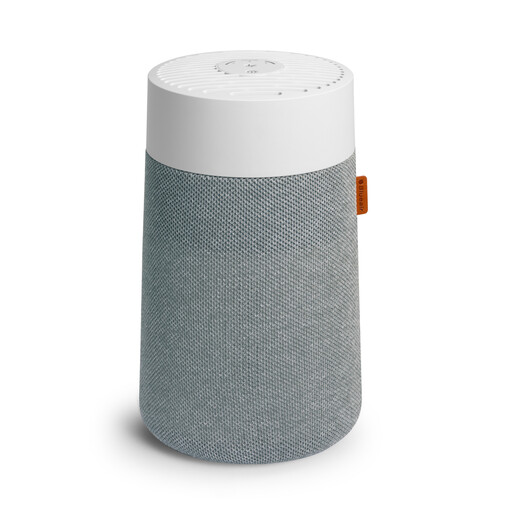
Why it suits this type of buyer: This compact model is designed for bedrooms, children’s rooms and home offices. It has a CADR of 117 m³/h and weighs 2.5 kg, making it easy to move around.
The stated CADR and capacity make it clear that this model is intended for smaller rooms, not a large open-plan living room.
Compact design, two buttons and a stated cleaning capacity of up to 20 m² in 30 minutes, according to the product information.
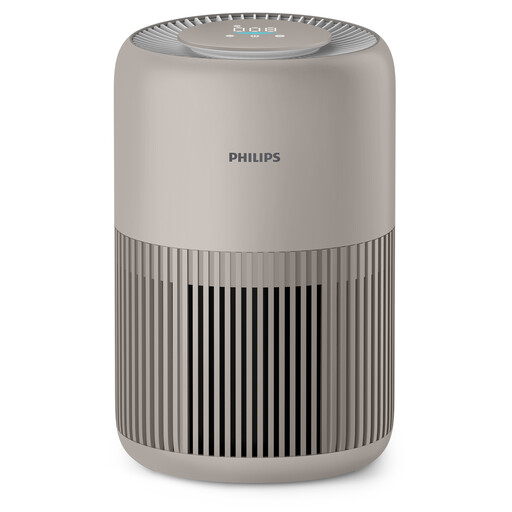
Why it suits this type of buyer: A practical choice if you want a compact device with a sensor, automatic mode and sleep mode for a room within its stated capacity.
The product information lists both a CADR of 250 m³/h and a noise range of 20.5 to 49 dB(A), making it easier to weigh capacity against overnight use.
PM2.5 sensor, automatic mode, sleep mode and a stated CADR of 250 m³/h.
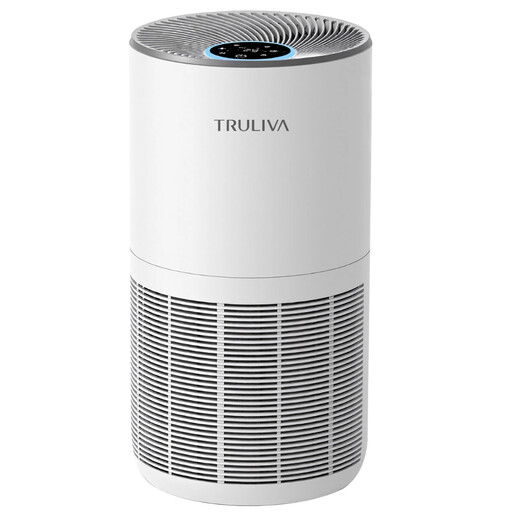
Why it suits this type of buyer: With a stated CADR of 450 m³/h, a 360° air intake and a three-stage filtration system, this model is designed for larger living spaces and homes with pets.
Alongside the large coverage area, the product information also lists the CADR, filter set-up and maximum noise level of 66 dB(A). This lets you weigh capacity against noise.
Pre-filter, H13 HEPA filter, activated carbon, PM2.5 display, timer and child lock.

Why it suits this type of buyer: This model is designed for homes with pets where control via the Xiaomi Home app, voice control and automatic adjustment are important.
The stated coverage of 16–27 m² and CADR of 230 m³/h give you a clear point of reference. The 360° filtration is complemented by a pre-filter for larger particles and hair.
Three filter layers, PM2.5 sensor, app and voice control, child lock and a stated power rating of 27 W.
We’ve put together a complete, up-to-date list of products that meet these strict selection criteria and current European safety requirements.
Place the device on a stable, dry surface and keep the air inlet and outlet clear. Many product manuals recommend leaving around 30 cm of space around the device. Put the model in the room where you want to filter the air, and don’t keep doors and windows permanently closed if ventilation is needed.
It depends on the model, how long you use it and how polluted the air is. Product information for various models gives a replacement interval of around six to twelve months. Some devices, such as models with longer-lasting filters, provide their own guidance. Always use the filter type recommended by the manufacturer, and reset the filter reminder after replacing it.
As well as the purchase price, you’ll pay for electricity and replacement filters. Many compact models have a power rating of around 20 to 40 W, but consumption increases if you run the device on a high setting for long periods. So compare the stated wattage, filter price and recommended replacement frequency. A lower purchase price may not be the better deal if replacement filters are expensive or hard to find.
