
Vandaag of morgen in huis

Kwaliteit gegarandeerd

Welkomstaanbiedingen ontgrendelen: GRATIS bezorging | Tot 80% korting | Gratis 30 dagen JoyPlus-proefperiode
Download de app
We all want clean, fresh air in our homes. Especially if you suffer from hay fever, own a pet, or simply want to improve the air quality in your bedroom or living room. However, the air purifier market is flooded with marketing promises that make it difficult to choose the right one. Many devices look good on paper but turn out to be a disappointment in practice.
As a Product Recommendation Officer at Joybuy, I see the issues consumers face every day. To help you make a well-informed decision, we'll discuss the most common pitfalls and the specifications that truly matter.
The 3 pitfalls of choosing an air purifier:
To see through the marketing jargon, focus on three objective specifications. These determine whether an air purifier is right for your situation.
The CADR, expressed in cubic meters per hour (m?/h), is the most important performance indicator for an air purifier. It tells you how much clean air the device delivers per hour. A higher CADR means faster purification.
An effective air purifier has a multi-stage filtration system. The two most important components are:
No one wants a noisy appliance in their home, especially not in the bedroom. The noise level is measured in decibels (dB).
Based on these objective criteria, we have selected several models that suit different needs and situations.
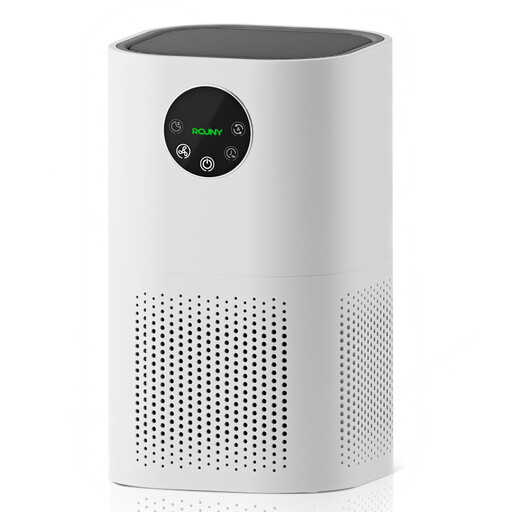
Why This Fits Their Persona: A practical and budget-friendly model for those looking to improve air quality in a smaller space, like a bedroom or home office. The focus is on core functions without unnecessary frills.
This model specifies an H13 True HEPA filter, not a vague "HEPA-type" claim. Its sleep mode of ≤25 dB is objectively quiet, which is essential for a good night's sleep.
Features a very quiet sleep mode and a clear, color-coded air quality indicator. The 150 m?/h CADR is appropriate for the recommended room sizes.
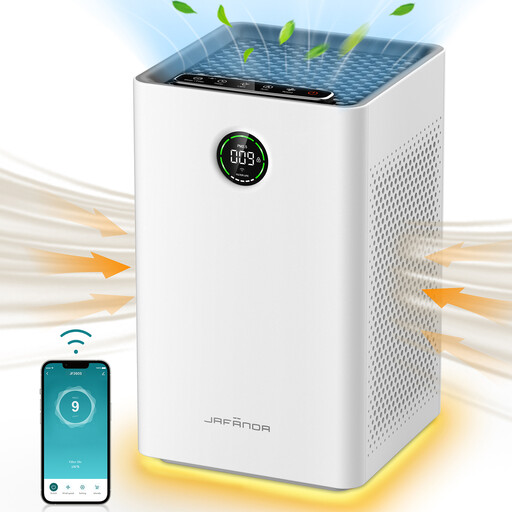
Why This Fits Their Persona: Ideal for households where allergens and odors are a concern. The combination of a HEPA filter, activated carbon, and a smart sensor makes this a powerful solution for living rooms with pets or for people with hay fever.
This model features an H13 True HEPA filter and a separate activated carbon filter, guaranteeing effectiveness against both particles and odors. The PM2.5 sensor provides objective feedback on air quality.
The auto mode adjusts fan speed based on the measured air quality, which is an efficient and user-friendly feature. This smart air purifier can also be controlled via an app and voice assistants.
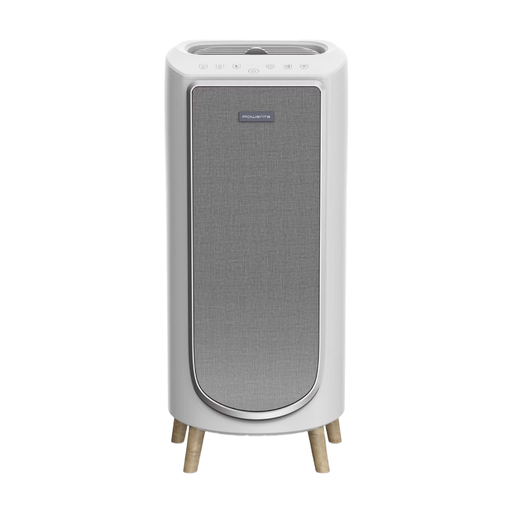
Why This Fits Their Persona: Perfect for those seeking a powerful solution for a large living room or open-plan space. The combination of a high CADR and smart features offers both performance and convenience for the demanding user.
The high capacity is supported by a proportionally high CADR of 360 m?/h, making its claim for large spaces credible. Automatic detection prevents unnecessary energy consumption and noise.
Very high cleaning capacity, ideal for open-plan living areas. Offers full remote control and monitoring via the dedicated app and Wi-Fi connectivity.
We've compiled a complete, up-to-date list of products that fully meet these strict selection criteria.
A filter's lifespan depends on usage and the air quality in your home. On average, HEPA and activated carbon filters should be replaced every 6 to 12 months. Most modern air purifiers have an indicator that signals when it's time for a replacement. Be sure to factor the cost of replacement filters into your purchasing decision.
For optimal performance, place the air purifier on the floor in the room where you spend the most time, such as the bedroom or living room. Ensure there is at least 30-50 cm (12-20 inches) of clear space around the unit so air can circulate freely. Do not place it in a corner or directly against a wall.
Yes, an air purifier with a True HEPA filter can make a noticeable difference. It filters airborne allergens like pollen, pet dander, and dust mite droppings from the air. While it won't eliminate the source of the allergy, it can significantly reduce indoor symptoms.
