
Vandaag of morgen in huis

Kwaliteit gegarandeerd

Welkomstaanbiedingen ontgrendelen: GRATIS bezorging | Tot 80% korting | Gratis 30 dagen JoyPlus-proefperiode
Download de app
The air inside our homes isn't always as fresh as we think. Fine dust from outside, pollen in the spring, pet hair, or cooking odours; they all tend to linger. An air purifier can be the solution. However, the market is flooded with models promising the world. As a Product Recommendation Officer at Joybuy, I see the challenges consumers face every day. Before you make a choice, it's wise to know which common pitfalls to avoid.
1. The 'Suitable for X m?' Label Trap Many manufacturers advertise an impressive square meterage. This figure is often based on minimal air circulation (once per hour). For effective purification, especially for allergy sufferers, you want the air in a room to be completely filtered 3 to 5 times per hour. So, an underpowered model in a large room is virtually useless.
2. The Hidden Costs of Replacement Filters An air purifier is only as good as its filter. A low initial purchase price might seem appealing, but if the replacement air purifier filter is expensive or hard to find, the long-term costs can add up significantly. Some filters need to be replaced every 6 months, while others last for a year. This is a crucial part of the total cost of ownership.
3. Superfluous 'Smart' Features An app or an automatic mode sounds convenient, but that's not always the case. A clunky app or a sensor that fails to accurately detect air pollution adds little value. The core function remains the effective purification of the air.
To avoid a bad purchase, it's better to focus on a few objective specifications. These numbers tell you what a device can actually do.
This is the most important specification. The CADR value, expressed in cubic meters per hour (m?/h), indicates how much clean air a device delivers. A higher CADR means faster and more effective cleaning. To calculate the right CADR for your space, you can use a simple rule of thumb:
A good air purifier has a multi-stage filtration system. The two most important components are:
Nobody wants a noisy appliance at home, especially not in the bedroom. Therefore, pay attention to the noise level, expressed in decibels (dB). A quiet air purifier should ideally produce less than 30 dB on its lowest setting (night mode). For comparison: 20-30 dB is comparable to a whisper, while 50 dB sounds like a quiet conversation.
Based on these objective criteria, we have selected a number of models that suit different needs and situations.
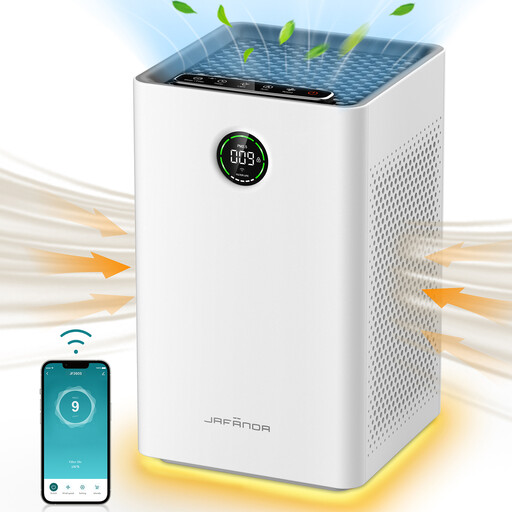
Why This Fits Their Persona: Perfect for the bedroom. This air purifier is designed with a good night's sleep in mind. The combination of an effective H13 HEPA filter and a very quiet sleep mode makes it ideal for allergy sufferers who want an undisturbed night.
The sleep mode is genuinely whisper-quiet at 23 dB, not just an empty marketing promise. The CADR of 260 m?/h is clearly specified, so you know exactly if it's powerful enough for your bedroom.
Very quiet air purifier in sleep mode (23 dB). Features an H13 HEPA filter and activated carbon layer. Control via app and voice assistants.
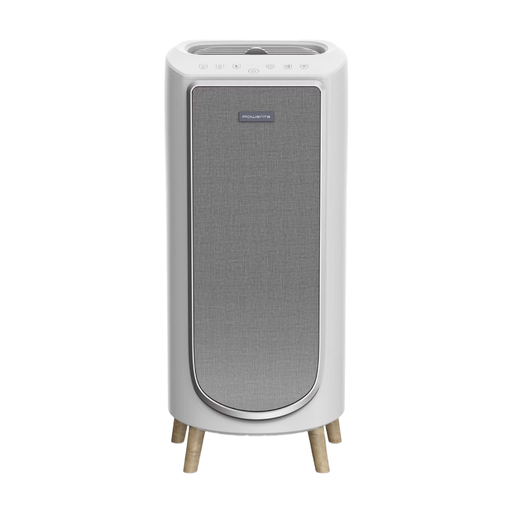
Why This Fits Their Persona: For those with a large, open-plan living area who need a powerful and reliable solution. Suitable for households with pets or for residents of urban areas with higher air pollution.
The high CADR of 360 m?/h is a verifiable spec that substantiates its effectiveness in larger spaces. The automatic pollution detection is a smart feature that actually adds value by adjusting its operation to the current air quality.
High cleaning capacity (CADR 360 m?/h). Multi-stage filtration with HEPA, carbon, and Nano-filter. Automatic pollution detection and speed adjustment.
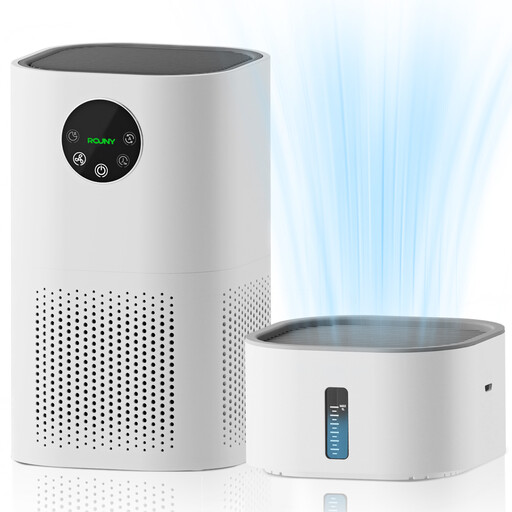
Why This Fits Their Persona: Ideal for those living in an apartment or simply looking to save space. This air purifier and humidifier in one tackles both dry air (especially in winter) and air pollution. A practical and affordable choice.
This isn't a gimmick, but a functional combination. The specs are transparent: a CADR of 150 m?/h and an H13 HEPA filter. This makes it clear that it's a solid entry-level device for small to medium-sized rooms.
Combines air purification and humidification. Quiet sleep mode (≤25dB) and an H13 HEPA filter. Compact and space-saving design.
We've compiled a complete, up-to-date list of products that fully meet these strict selection criteria.
The lifespan of a filter depends on the model, the intensity of use, and the air quality in your home. Most manufacturers recommend replacing the HEPA filter and the carbon filter every 6 to 12 months. Many modern air purifiers have an indicator that tells you when it's time for a replacement. It's important to use genuine replacement filters to maintain your device's performance and warranty.
For optimal performance, place the air purifier in the room where you spend the most time, such as the living room or bedroom. Ensure there is enough space (at least 30-50 cm) around the unit to allow air to circulate freely. Do not block the air intake and outlet with furniture or curtains.
An air purifier for allergies with a True HEPA filter is designed to capture particles like pollen, dust mites, and pet dander from the air. By reducing the amount of these allergens in the air, symptoms can be alleviated for many people. However, it is not a medical device and does not replace medical treatment or advice.
