
Vandaag of morgen in huis

Kwaliteit gegarandeerd

Welkomstaanbiedingen ontgrendelen: GRATIS bezorging | Tot 80% korting | Gratis 30 dagen JoyPlus-proefperiode
Download de app
Breathing fresh, clean air at home is a necessity, not a luxury. Whether you suffer from hay fever, own a pet, or simply want to improve your home's air quality, an air purifier can make a noticeable difference. However, the market is flooded with models that make lofty claims. To help you avoid a poor investment, we're focusing on what truly counts, free from marketing hype.
As a Joybuy Product Recommendation Officer, I see the challenges consumers face every day. These are the most common pitfalls:
To navigate these pitfalls, there are a few technical specifications you should check. They may seem complex, but they're simple to understand.
This is the most critical metric to watch. The CADR indicates how many cubic metres of clean air the device delivers per hour. A higher CADR means faster and more effective purification.
A practical rule of thumb for a standard ceiling height (approx. 2.6 m):
This ensures the capacity matches your space, not just the manufacturer's marketing claims.
An air purifier is only as good as its filters. Most models use a combination of filters, each with a specific purpose.
Before you decide to buy a HEPA filter, always check its compatibility with your specific model, such as a Xiaomi filter or a Blueair filter.
The noise level is expressed in decibels (dB). For a quiet air purifier in the bedroom, you'll want a model that stays below 30 dB on its night mode. This is comparable to a whisper. A value around 50 dB is similar to a refrigerator and may be acceptable in a living room, but it's too loud for most people to sleep with. Always check the noise level for the setting you actually plan to use.
To help you get started, we've highlighted a few models that suit specific needs and situations.
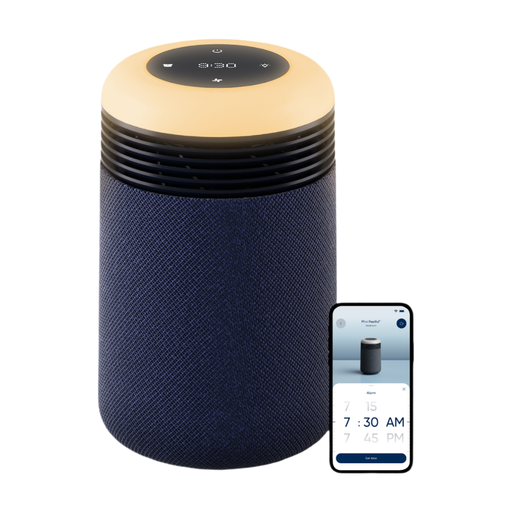
Why This Fits Their Persona: This compact device is designed for the nightstand. It combines air purification with a sunrise alarm clock, contributing to a peaceful night and a relaxing morning. Ideal for those sensitive to both air quality and ambient noise.
The noise level in night mode is extremely low at 21 dB, living up to the 'quiet air purifier' claim. The app provides a clear notification when the filter needs to be replaced after about 9 months, preventing unexpected costs.
Combines air purification with a wake-up light, reducing the number of devices on your nightstand. The HEPASilent technology effectively filters the air without producing much noise.
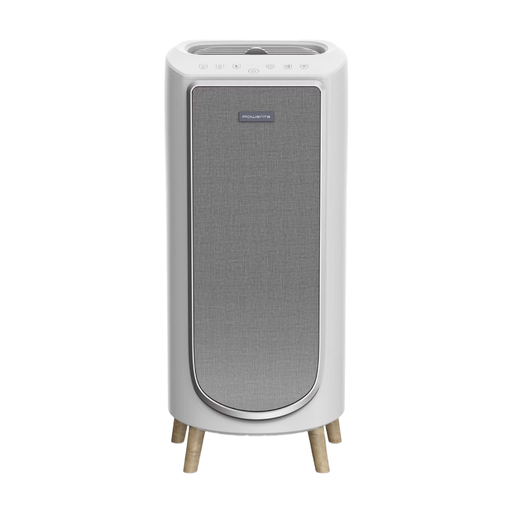
Why This Fits Their Persona: Pet owners need a powerful solution for hair, dander, and odors. This model has a high CADR of 360 m?/h, suitable for larger living rooms, and a multi-layer filter system that includes a carbon filter.
The high CADR value is an objective measure of performance, unlike vague claims about room size. The device has separate filters, so you know exactly which filter to replace and what the costs are.
Powerful purification for larger spaces and effective odor control thanks to the carbon filter. The automatic mode adjusts the speed based on the measured air quality.
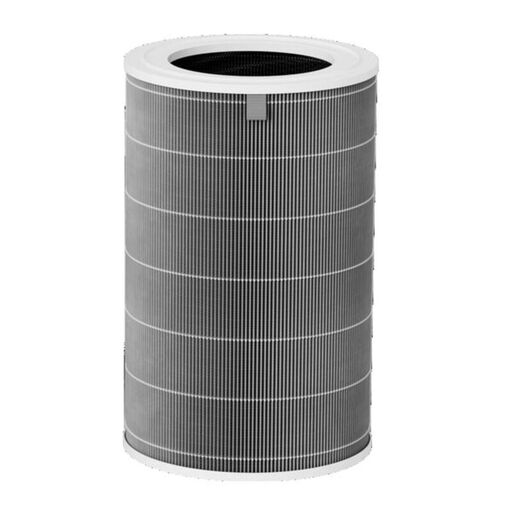
Why This Fits Their Persona: For owners of a Xiaomi air purifier, using an original filter is crucial to maintain performance. This filter is specifically designed for the popular 4 Pro, a common model in many households.
By choosing an original Xiaomi filter, you avoid the pitfall of cheap, incompatible filters that reduce efficiency or could even damage the device. This ensures the promised filter performance is achieved.
Guaranteed compatibility and performance. The three-layer system with a pre-filter, HEPA filter, and activated carbon layer tackles dust, allergens, and odors simultaneously.
An air purifier is only as effective as its filter. Whether you're looking for a replacement for your current device or want to review filter options for a new model, you'll find what you need here.
A filter's lifespan depends on the model, usage, and the air quality in your home. Generally, a combined HEPA filter and carbon filter should be replaced every 6 to 12 months. Many modern air purifiers have an indicator light or an app that tells you when it's time for a replacement. Washable pre-filters are best cleaned monthly to extend the life of the main filters.
For optimal results, place the air purifier in the room where you spend the most time, such as the living room or bedroom. Set the device on a flat surface and ensure at least 30-50 cm of free space on all sides to allow for proper air circulation. Do not place it in a corner or directly against a wall.
An air purifier for allergies with a quality HEPA filter can certainly help reduce hay fever symptoms indoors. The filter captures pollen that enters through open windows and doors. While it's not a medical treatment, many people with allergies experience significant relief from their symptoms thanks to cleaner indoor air.
