
Vandaag of morgen in huis

Kwaliteit gegarandeerd

Welkomstaanbiedingen ontgrendelen: GRATIS bezorging | Tot 80% korting | Gratis 30 dagen JoyPlus-proefperiode
Download de app
Having a conversation in another language sounds simple until the translation falters, the app stops working or the battery runs out halfway through the day. AI translation earbuds can be useful for travellers, students, expats and business users, but product pages don’t always make it clear exactly what you need.
So keep an eye out for these common pitfalls:
Don’t just check the number of languages; find out how translation is started, too. With various Bluetooth translation headsets, you first need to scan a QR code, install an app and pair the earbuds via Bluetooth. You’ll usually then select a language pair in the app.
A claim such as “real-time translation” describes a product feature, but doesn’t guarantee that every sentence will be translated instantly or accurately in all conditions. Background noise, your internet connection, pronunciation and the quality of the app can all affect the results.
For everyday use, Bluetooth 5.4 and a stated range of up to 15 metres are practical specifications. The actual range depends on walls, other wireless signals and the connected phone. Touch controls are useful during a conversation, but check whether you can also use them to control translation, music and phone calls.
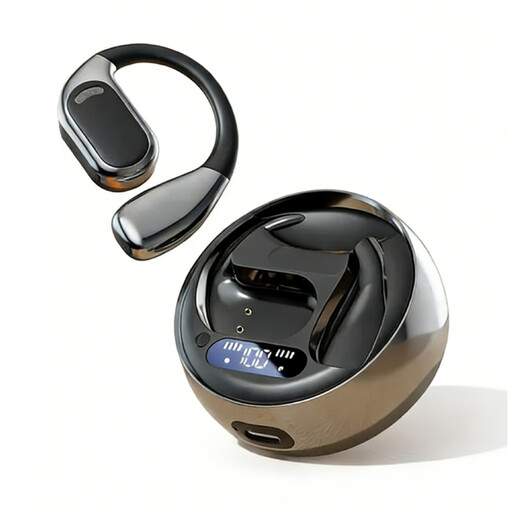
According to the product description, the HTC NE40 uses Bluetooth 6.0, has a stated range of 10 metres and can be used with translation apps once paired with a phone or tablet. This type is therefore best suited to users who already have a translation app of their own.
Pay attention to the difference between the capacity of the earbuds and that of the charging case. According to the product specifications, VoxorAI models have a 40 mAh battery in each earbud and a 300 mAh charging case, with a stated playback time of around 5 to 7 hours.
A glasses model such as the Verbex M01 has a battery capacity of 230 mAh and a stated battery life of around 8 hours. According to the specifications, the glasses weigh 150 grams. This can be practical if you’d rather not wear earbuds, but the frame still needs to fit well.
Also check the level of water protection. A product description may call a model water-resistant, while the safety instructions still advise against prolonged exposure to moisture. Without a clear IP rating, it’s sensible to take care around rain, sweat and liquids.
Why it suits this profile: This compact in-ear model is designed for learning, travel and business conversations. It has touch controls and pairs with a smartphone.
The product specifications state “up to 150 languages” and explain that pairing with a smartphone and app is required. This makes it clear from the outset that it isn’t a completely standalone translation device.
Bluetooth 5.4, an in-ear design and support for around 150 languages according to the product information.
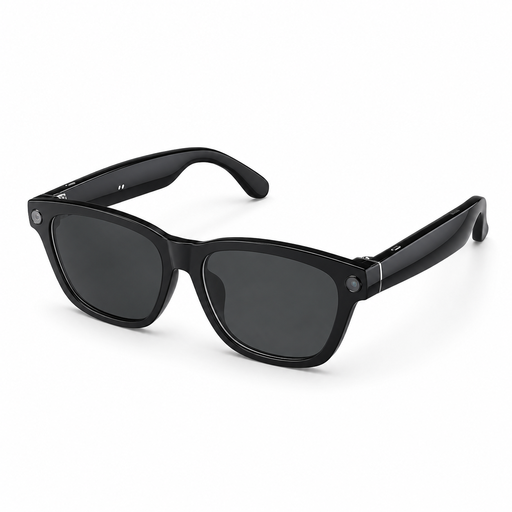
Why it suits this profile: These AI glasses combine translation with music, phone calls, photography and voice control. They’re a good fit for users looking for several smart features in one wearable device.
The manual mentions Android and iOS support and explains how to install a specific app. Check this before buying rather than assuming the glasses can translate independently.
According to the product specifications: around 8 hours of use, WiFi transfer, two microphones and a wireless range of 10 metres or more.
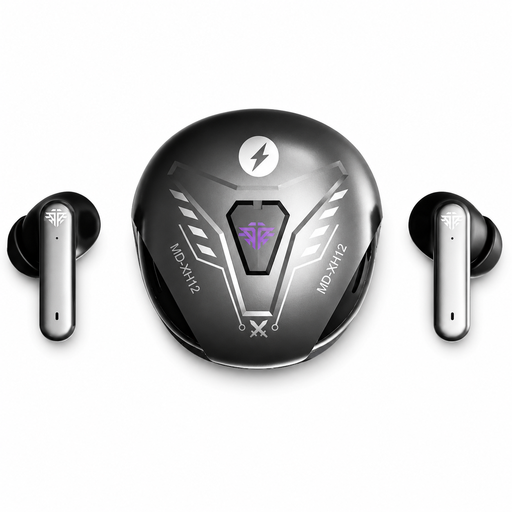
Why it suits this profile: This headset is designed for study, travel and business use. Its range and battery specifications make it suitable for longer conversations outdoors or in the office.
The stated 5 to 7 hours of playback and 15-metre Bluetooth range set clearer expectations than a general claim of long-lasting use.
Bluetooth 5.4, touch controls, a 300 mAh charging case and support for around 150 languages according to the product description.

Why it suits this profile: This model is ideal if you mainly want to use one pair of Bluetooth earbuds for music, phone calls and translation apps.
The description says you can use a translation app once the earbuds are paired via Bluetooth. So don’t expect translation without a phone or app.
Bluetooth 6.0, an LED display, a built-in microphone and a charging case that, according to the specifications, can extend total battery life to around 24 hours.
We’ve put together a complete, up-to-date list of products that meet these strict selection criteria and the applicable European safety regulations.
It depends on the model. According to the instructions, you need to download an app and pair the VoxorAI and Verbex products mentioned above via Bluetooth. Check that your smartphone is compatible and whether the languages you need require an internet connection.
Battery life varies by product. The VoxorAI XH12 and M76 offer around 5 to 7 hours of playback. The HTC NE40 offers around 3.5 hours per earbud, with extra charges available from the case. Translation, calls and high volume can reduce actual battery life.
Not always. A model with ChatGPT features may support additional AI prompts, image recognition or conversations, while its translation feature runs through a separate app. According to the product description, the Verbex glasses have access to ChatGPT, but check which features are available, which languages are supported and whether you need an account or an internet connection before buying.
