
Vandaag of morgen in huis

Kwaliteit gegarandeerd

Welkomstaanbiedingen ontgrendelen: GRATIS bezorging | Tot 80% korting | Gratis 30 dagen JoyPlus-proefperiode
Download de app
An advanced training partner that never gets tired and places every ball exactly where you want it. That is the promise of an AI tennis ball machine. For serious tennis players and coaches in the Netherlands, this is no longer a luxury but a practical tool for optimising training sessions. However, the market is flooded with devices claiming to be "smart" and "professional." How do you separate the wheat from the chaff and avoid a costly mistake?
As a Joybuy Product Recommendation Officer, I'll help you cut through the marketing claims. We will look at the specifications that truly matter, so you can make an informed decision for a training partner that will genuinely improve your game.
Before we get to the recommendations, it's important to recognise the most common pitfalls. Many players invest in an expensive machine that ends up collecting dust in the garage after a few months.
To avoid the pitfalls, focus on a few verifiable specifications. These determine whether a tennis training device with an app is worth the investment.
Look beyond the term "AI." Search for concrete, described modes. Good indicators are:
An intuitive app is indispensable here. It allows you to control the machine from the other side of the court without having to walk back and forth.
For serious training, the following specifications are important:
A practical design is essential for use at the club.
Based on objective specifications, we have selected a number of products that suit different types of players.
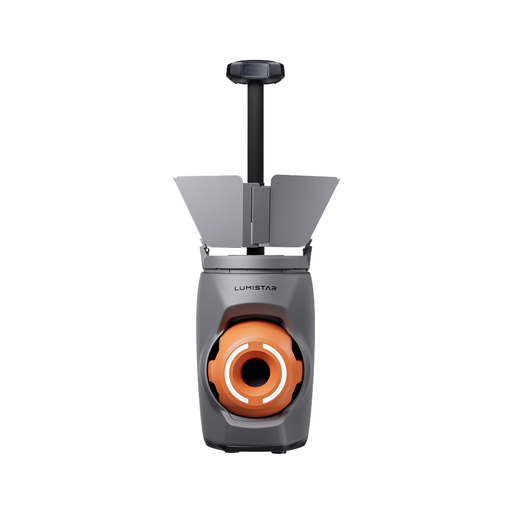
Why This Fits Their Persona: For the player who takes their training seriously and is looking for a partner that can simulate a real match. The AI modes and data analysis via the app help to target weaknesses effectively. If you are considering buying a Lumistar Tero, you are looking for pro-level performance.
The Tero offers three specific AI modes (Match, Rally, Random) that go beyond a simple random setting. The performance (speed up to 140 km/h, ±3600RPM spin) is clearly specified and not exaggerated.
The all-in-one suitcase design makes it highly portable despite its advanced features. The 4-hour battery life is more than enough for a serious training session.
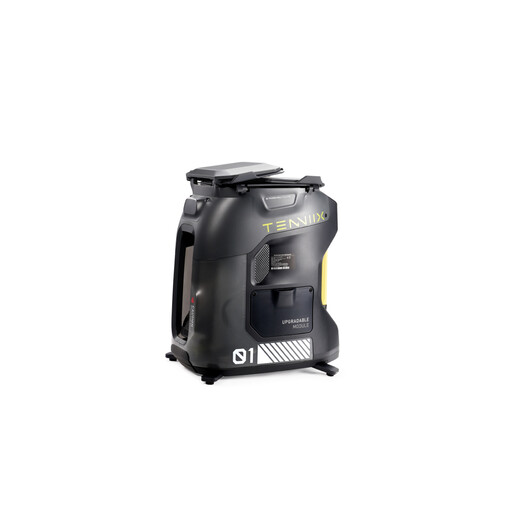
Why This Fits Their Persona: Ideal for coaches and clubs that need a machine for players of all levels. With over 100 serve modes and 1000+ customisable drills, there is a suitable exercise for everyone. The modular design is a smart investment for the future.
Weighing only 8.5 kg (18.7 lbs) and with a 4-hour battery life, this model is truly portable. The LED screen provides direct visual feedback on the settings, which prevents a lot of guesswork.
The ability to upgrade the machine to a Pro version with an AI camera module later offers flexibility and protects the initial investment.
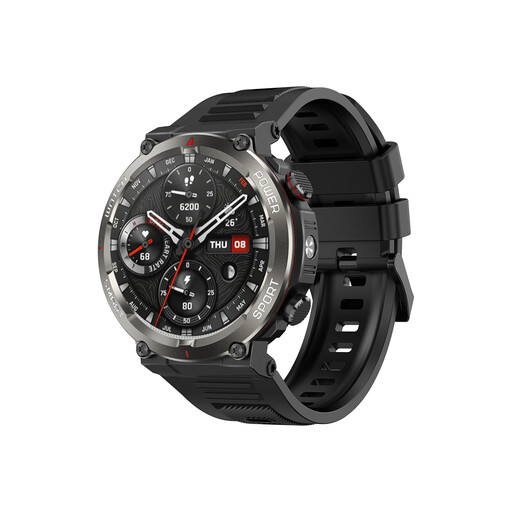
Why This Fits Their Persona: A ball machine optimises your training, but a smartwatch measures the impact on your body. This watch tracks your heart rate, oxygen levels, and sleep, giving you a complete picture of your exertion and recovery.
Instead of investing in an expensive, brand-specific accessory, this watch offers comprehensive health monitoring that you can use for all sports. It is a practical addition to your sports equipment.
The battery life is a major advantage. According to the manufacturer, the battery lasts up to 30 days with normal use, so you don't have to charge it constantly.
We have compiled a complete, up-to-date list of products that meet these strict selection criteria and Dutch regulations.
The battery life varies greatly by model and settings. On average, you can expect 2 to 5 hours. Higher-end models, like the Lumistar Tero, often offer around 4 hours, which is sufficient for most players. When purchasing, pay attention to the specified capacity and consider a model with a swappable battery if you regularly plan longer sessions.
For a beginner, a basic model is often sufficient. However, for the ambitious amateur who wants to improve their technique and consistency, an AI machine is a valuable investment. The ability to repeat specific drills and simulate match situations significantly accelerates the learning process. It is a more effective training method than just rallying with a partner of varying skill levels.
For correct placement, manufacturers usually recommend positioning the machine on or just behind the baseline. Many models, such as the Lumistar Tero, have alignment marks on the housing. By placing these marks parallel to the court lines (for example, the centre line), you ensure that the balls land accurately on the set spots. Always check that the surface is level to prevent the machine from wobbling.
