
Vandaag of morgen in huis

Kwaliteit gegarandeerd

Welkomstaanbiedingen ontgrendelen: GRATIS bezorging | Tot 80% korting | Gratis 30 dagen JoyPlus-proefperiode
Download de app
The promise of AI glasses or other smart wearables is tempting: make hands-free calls, listen to music, capture moments, and even translate languages, all without reaching for your phone. But the market is flooded with products that overpromise and underdeliver. Before you invest in this new technology, it's crucial to know what to look for. Many buyers fall into the same traps, leaving an expensive gadget to gather dust in a drawer.
Here are the most common missteps and how to avoid them:
smart glasses that dies after two hours of filming, or a bone conduction headphone that becomes irritating after an hour of wear, isn't worth the money. Comfort and battery life aren't luxuries; they are absolute necessities for a wearable.To avoid buyer's remorse, focus on the specifications that truly matter. Don't be distracted by marketing jargon; instead, verify these three points.
The way you hear sound defines the entire experience. There are two dominant technologies:
Ray-Ban Meta have perfected this to minimise sound leakage while still providing a rich audio experience.If you're considering glasses with a camera, the camera and microphone specifications are crucial. A low-resolution camera will produce grainy, unusable images. Look for models with at least a 12 MP ultra-wide camera for sharp photos and videos from your point of view. A multi-microphone array (e.g., five mics) is essential for capturing your voice clearly and suppressing background noise during calls.
A wearable with AI is only truly useful if the software is solid. Check which AI assistant is used. Is it a well-known assistant like Meta AI or Gemini, or an unknown, proprietary system from the manufacturer? A good AI headphone or pair of glasses must work seamlessly with your smartphone via a stable app. Features like real-time translation, requesting information about what you see, or taking notes are indicators of a more advanced system.
Based on these criteria, we have selected a number of products that suit different user profiles.
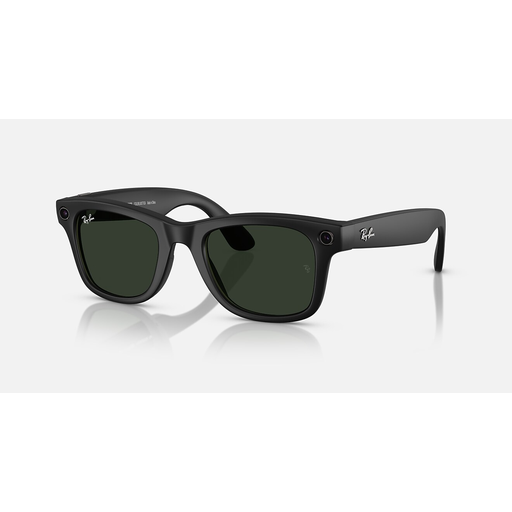
Why This Fits Their Persona: Perfect for instantly capturing and sharing point-of-view content on social media. The iconic Wayfarer design doesn't scream "tech gadget," making it a stylish choice for daily use. Seamless integration with Facebook and Instagram makes livestreaming and posting simple.
The 12 MP camera and five-microphone system deliver genuinely usable recordings, unlike cheaper alternatives. The Meta AI offers features like translation and information retrieval that go beyond a simple voice assistant.
Integration of camera, audio, and AI in a classic glasses frame. The open-ear speakers are designed for good bass and minimal sound leakage.
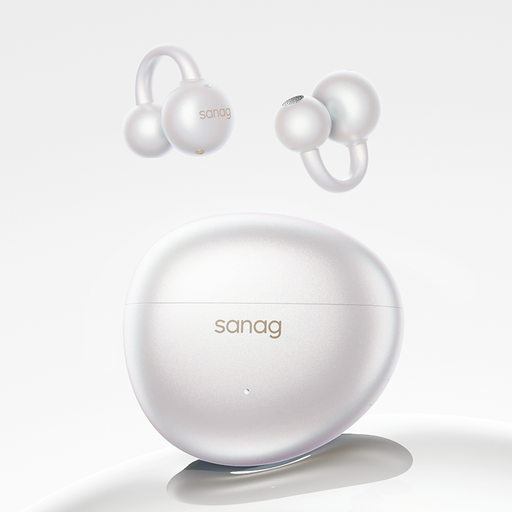
Why This Fits Their Persona: Ideal for running, cycling, or walking in busy environments. The bone conduction technology ensures complete situational awareness, which is essential for safety in traffic. The over-ear fit is stable and sweat-resistant.
This model uses bone conduction instead of standard open-ear speakers. This minimises sound leakage and keeps the ears completely open. It's designed for comfort during long, active sessions, without the irritation of in-ear buds.
Maximum situational awareness and a secure fit during exercise. According to Sanag, the model features an Open AI translation function.
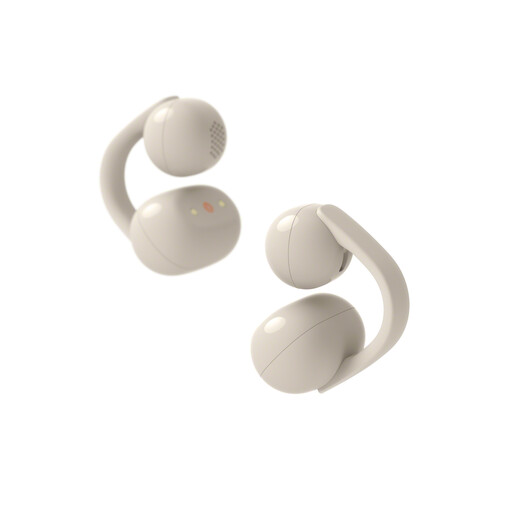
Why This Fits Their Persona: Discreet and comfortable enough to wear all day for online meetings and phone calls, without isolating you from office sounds. The focus on call quality and long battery life makes this a reliable partner for a busy workday.
Sony tackles the audio problem with their expertise. The Digital Sound Enhancement Engine (DSEE) ensures balanced sound. The AI noise reduction for the microphone effectively filters out background noise, making your voice come through clearly.
Excellent call quality and comfort for prolonged use. Smart features like adaptive volume control and a long battery life (up to 37 hours with the case).
We have compiled a complete, up-to-date list of products that meet these selection criteria and comply with current safety regulations.
This varies greatly by model and usage. For example, a pair of Ray-Ban Meta glasses lasts up to four hours on a single charge. Intensive use, such as continuous video recording, significantly shortens this duration. The included charging case is therefore essential; it often provides several additional charges for on-the-go use. Always check the specifications for both the battery life of the glasses themselves and the total duration with the charging case.
For most advanced features, an active Bluetooth connection to your smartphone is required. The AI assistant, livestreaming, and settings management all run through a companion app on your phone. Some basic functions, like taking a photo, can sometimes be performed offline and synced later, but a paired phone is indispensable for full functionality.
Because bone conduction technology transmits sound via vibrations on the cheekbone, leaving the ear canal open, the eardrum is not directly impacted. This can be an advantage. However, just like with any headphones, prolonged listening at excessively high volumes can still strain the inner ear and potentially cause hearing damage. It's important to keep the volume at a responsible level and follow the manufacturer's safety instructions.
