What should you look for when choosing?
Start by considering whether your child will eat wholemeal toast, prefers mixed-grain toast or would rather have a different crunchy cereal product. Then check the ingredients and whether the product is suitable for the place where your child will eat it.
| What to consider |
What to check when buying |
Who it matters to |
| Wholegrains and fibre |
Check which types of flour are listed in the ingredients and compare the fibre content per 100 g. |
If wholegrains matter to me, I want to know what’s in the toast rather than judge it by its name alone. Around 50% of consumers put this consideration first. |
| Allergens and school rules |
Check the current label, including any warnings, and ask about the school or after-school club’s rules. |
When packing a snack, I need to know whether the ingredients are suitable for my child and comply with the school’s rules. Around 33% of consumers prioritise this check. |
| Taste, portion and salt |
See whether your child likes the texture. To compare salt content, check the nutritional values per 100 g and look at the portion packaging. |
A crunchy snack isn’t much use in a handy pack if my child leaves it uneaten. Taste and practicality matter most to around 17% of consumers. |
Brands to compare
These examples show the product details you can compare. The features listed apply to the specific varieties described, not to the brand as a whole.
Van der Meulen
Wholemeal Melba Toast is an example of thin wholemeal Melba toast with sesame seeds.
- For this variety, Albert Heijn lists wholemeal wheat flour and 9.7 g of fibre per 100 g.
- Albert Heijn also lists 1.9 g of salt per 100 g. Jumbo says this variety contains wheat, barley, rye, sesame and soya.
Jos Poell
The 90 g Wholemeal Toast described here is another toast product you can compare by checking its label.
- Jumbo lists 10 g of fibre per 100 g for this variety.
- Jumbo also lists 1.64 g of salt per 100 g. Check the current packaging before using these figures to help you choose.
Bolletje
Light Wholemeal Crackers are an alternative if crackers suit snack time better than toast.
- The Joybuy product listing says these crackers contain 100% wholegrain cereals and 15 g of fibre per 100 g.
- The listed ingredients include wheat, sesame and barley. So a wholemeal cracker isn’t automatically suitable for someone with an allergy.
Crunchy products at Joybuy
Below are wholemeal crackers, crispbread and rusks as alternatives to toast, followed by Melba toast. These are different types of product, so start by choosing what your child will eat, then compare the label on the relevant pack.
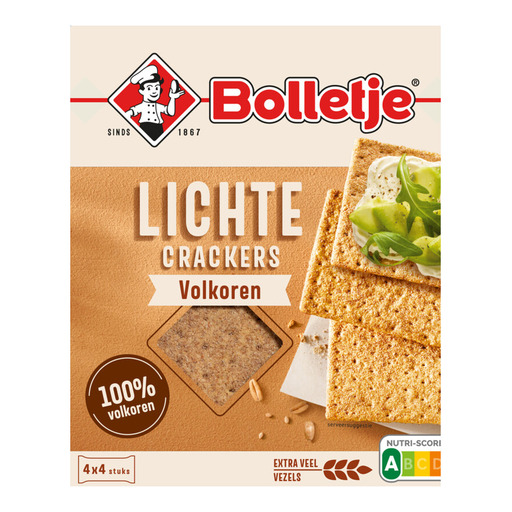 Image unavailable
Bolletje Light wholemeal crackers – 190 g
Crackers are a good option if you’re looking for a different crunchy base from toast. The Joybuy listing says this variety contains 100% wholegrain cereals and 15 g of fibre per 100 g. If you have allergies, check the current packaging for ingredients including wheat, sesame and barley, and ask about the school or after-school club’s rules before packing them.
View at Joybuy
 Image unavailable
Bolletje wholemeal crispbread – 265 g
Consider crispbread if you’re after a crunchy cereal product but don’t specifically want toast. This pack contains 265 g. Compare the nutritional information on the current packaging, and check the allergens and school rules before packing it.
View at Joybuy
 Image unavailable
Bolletje Dark wholemeal rusks – 10 pieces
Rusks may be a good choice if your child prefers them to toast or crackers. This pack contains 10 pieces. Check the current label for the ingredients and allergens in this variety, and check the school or after-school club’s rules if you plan to pack them.
View at Joybuy
 Image unavailable
Bolletje wholemeal rusks – 13 pieces
These rusks are an alternative if you’d like to try a crunchy base alongside toast. The pack contains 13 pieces. To compare fibre, check the per-100 g figure in the current nutritional information; also check the allergens before packing them.
View at Joybuy
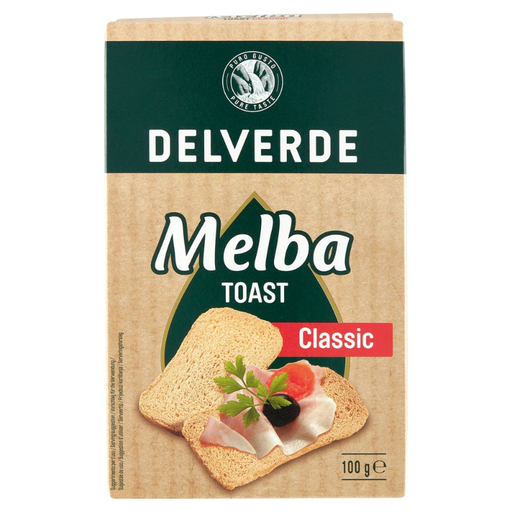 Image unavailable
Delverde Classic Melba toast – 100 g
Choose this product if you specifically want to compare Melba toast with other crunchy options. The pack contains 100 g. Check the ingredients and nutritional information before drawing conclusions about the proportion of wholemeal flour. For young children, also consider whether the hard, crunchy texture is suitable.
View at Joybuy
Frequently asked questions
Is wholemeal toast a complete after-school snack on its own?
Not necessarily. Think about the toast as part of the whole snack, rather than focusing only on the word ‘wholemeal’. According to the Netherlands Nutrition Centre, wholegrain cereal products contain more fibre than white alternatives. It also suggests vegetables and fruit as snack options. Consider what your child eats and whether a topping or another addition would be suitable.
How can I tell if toast is fully or partly wholemeal?
Read the ingredients rather than relying on the product name or colour. For Sansepolcro wholemeal toast, Albert Heijn lists both wheat flour and 36% wholemeal wheat flour. Then compare the fibre and salt per 100 g on the packs you’re considering.
Which allergens should I check in toast?
Check the current packaging for ingredients and allergens that are relevant to your child. According to the Netherlands Food and Consumer Product Safety Authority, allergens must be listed on the label. For example, the Van der Meulen Wholemeal Melba Toast described by Jumbo lists wheat, barley, rye, sesame and soya. If you’re packing it for school, also ask about the school or after-school club’s rules.
Can I assume that all toast is made with iodised baking salt?
No. Don’t assume a product contains baking salt just because it belongs to a particular category. The Netherlands Food and Consumer Product Safety Authority explains that iodine compounds may be present in bread, bread substitutes and other bakery products through the use of baking salt. If this matters to your comparison, check the ingredients of the specific product.


