
Snackers keeping an eye on calories
You want to enjoy crisps after school and compare the calories in a measured portion. The terms ‘light’ and ‘oven-baked’ don’t tell you, on their own, how many calories you’ll actually eat.


When comparing crisps for after school, start by checking the calories in an equal-sized portion rather than relying on the word ‘light’. Jumbo lists 128 kcal per 30 g for Lay's Oven Baked Ready Salted and 147 kcal per 30 g for Lay's Light Ready Salted; these figures apply to these specific varieties. The Netherlands Nutrition Centre says crisps aren’t an everyday snack choice for children: decide on the portion in advance and check the label on the pack you buy.
You want to enjoy crisps after school and compare the calories in a measured portion. The terms ‘light’ and ‘oven-baked’ don’t tell you, on their own, how many calories you’ll actually eat.
You’re looking for something crunchy now and then for a school-age child, without making crisps the regular after-school choice. The Netherlands Nutrition Centre also suggests snacks from the Wheel of Five for children, such as vegetables and fruit.
You want to check the ingredients, allergens and salt content of the exact flavour you’ve chosen. This is especially important if a child has a food allergy or you’re switching between varieties.
First decide how many crisps you’ll put in the bowl, then compare the nutritional values for that amount. If you have an allergy, always check the label for the flavour you’ve chosen.
| What to consider | What to check when buying | Who it matters most to |
|---|---|---|
| Calories and fat per portion | Compare kcal and fat for the same weight, for example per 30 g, and consider how much you’ll actually serve. | If I want to snack on fewer calories, I want to know what’s in my own portion, not just what’s on the front of the bag. Around 46% of consumers put calories and fat per portion first. |
| A snack occasion with clear limits | Decide on a small bowl in advance or check the pack size; keep crisps separate from your regular snacks. | For a child, I want to be able to offer crisps after school now and then without the whole bag becoming the portion. Portion size and how often crisps are served are the main priorities for around 36% of consumers. |
| Label, salt and allergens | Read the ingredients and allergen information on the pack you’ve chosen, and compare salt for the same portion size. | When choosing a different flavour, I want to know exactly what ingredients and allergens are listed on the label before serving it. For around 18% of consumers, this check is the top priority. |
A claim about less fat doesn’t mean calories go down by the same amount. In its comparison of light and regular crisps, the Netherlands Nutrition Centre shows a smaller difference in calories than in fat.
Check the nutrition table and compare the calories in the same amount of crisps.
A lower-fat variety doesn’t change how often you serve crisps or how much goes into a portion. The Netherlands Nutrition Centre says crisps are an occasional choice for children, not a regular snack.
Keep crisps as a measured treat, and choose foods such as vegetables and fruit for everyday snack time too.
Ingredients and allergens can vary between varieties. For example, Pringles says that Original may contain milk and soya.
Before serving, read the label on the flavour you’ve bought, especially if someone has a food allergy.
Oven Baked Ready Salted and Light Ready Salted give you two different options to compare nutritional values.
Original lets you assess pack size and nutritional value separately; Pringles lists a 40 g pack size, among others.
Albert Heijn groups varieties such as AH Ridged Crisps, labelled ‘less fat’, and Lay's Oven Baked varieties in a category for crisps with less fat or salt.
At Jumbo, you can compare regular own-brand crisps with lower-fat varieties.
Lidl’s Snack Day range includes crisps in a 150 g ham & cheese variety, among others.
These Joybuy products are oven-baked crisps for anyone who wants to measure out an after-school portion and compare their chosen flavours. Use the nutritional information on the pack to work out the calories in your portion.
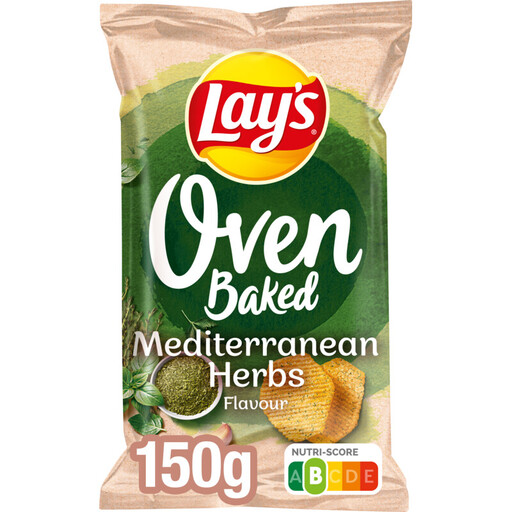 Image unavailable
For anyone who wants to measure out a portion of oven-baked herb crisps. Compare the nutritional information for the amount you serve, and if you have allergies, read the label for this flavour.
 Image unavailable
For anyone looking for oven-baked sea salt crisps and wanting to choose their own snack portion. Measure out a portion and check the nutritional information and allergens on the pack.
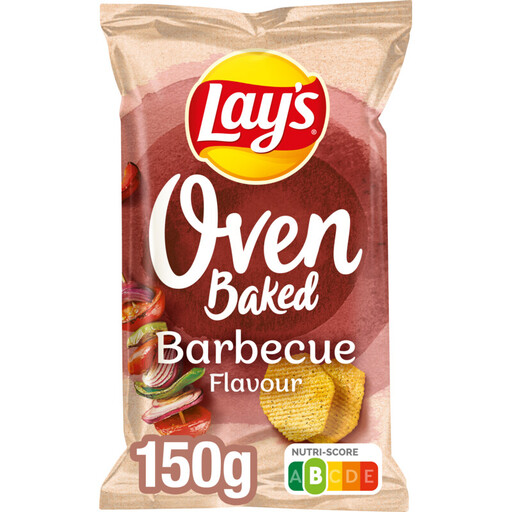 Image unavailable
For anyone who wants to compare barbecue crisps within the oven-baked range. Decide on your portion in advance, and check the information on this pack for calories and allergens.
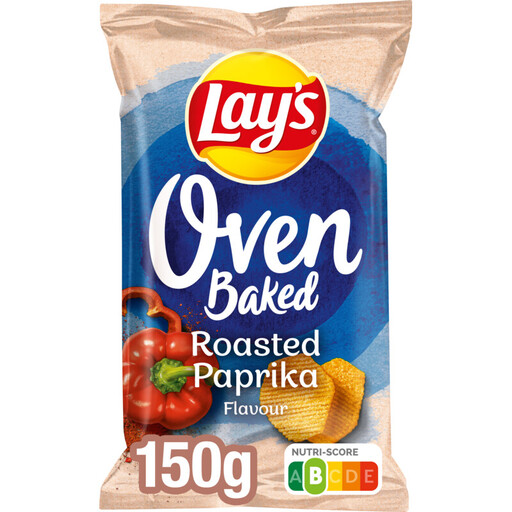 Image unavailable
For anyone looking for paprika crisps and a measured portion. Compare the nutritional value of this flavour with other crisps on the same portion basis, and check the label if you have allergies.
 Image unavailable
For anyone who wants to look at the Natural variety of oven-baked crisps. Measure out a portion for snack time and check the nutritional information for this exact variety on the pack.
No, the word ‘light’ doesn’t tell you how many calories are in your portion. In the Netherlands Nutrition Centre’s comparison, light crisps contain an average of 490 kcal per 100 g, compared with 542 kcal for regular crisps; the difference in calories is smaller than the difference in fat. So check the nutrition table too.
First compare the same quantity of the specific varieties you’re considering. Jumbo lists 128 kcal per 30 g for Lay's Oven Baked Ready Salted and 147 kcal per 30 g for Lay's Light Ready Salted; Pringles lists 158 kcal per 30 g for Original. Check the figures on the pack you buy.
Don’t make crisps the regular after-school snack. The Netherlands Nutrition Centre recommends that children aged 4 to 12 mainly have snacks from the Wheel of Five, and says a small bag or bowl of crisps is an occasional choice.
Read the label on the exact flavour and pack you’re buying. The Netherlands Food and Consumer Product Safety Authority says allergens must be clearly listed on the labels of prepacked foods; don’t rely only on the product name or on another flavour in the same range.