For a small household that doesn’t eat crispbread very often, a smaller pack is usually a better choice than a large one. Compare the net weight with how much you typically get through, and seal the pack well after opening. For an after-school snack, choose a variety labelled as containing wholegrain cereals if that’s your preference. Before packing it, check the allergens and the school or childcare setting’s food policy.
Who this choice is for
Small households that don’t want to buy too much at once
If one or two people will be eating from the pack, it helps to compare the net weight with how often you eat crispbread. A smaller pack means less to store at once, but doesn’t in itself guarantee that you’ll finish it.
Parents looking for a wholegrain base
For a snack with a topping, check the label to see whether the crispbread actually contains wholegrain cereals. The Netherlands Nutrition Centre lists wholegrain crispbread as one possible grain choice for children aged 4 to 12.
Carers who need to check allergens
Before packing it, check the latest ingredients and allergen information for your child. Also check the school or childcare setting’s policy on food brought from home, as this can vary from one organisation to another.
What to look for when choosing
Start with the amount your household actually gets through. Then consider whether it’s wholegrain and what you’ll serve it with. If allergens are relevant to your child, check the pack and the school or childcare setting’s requirements first.
| What to consider |
What to check when buying |
Who it matters to |
| Pack size |
Compare the net weight with how often you eat crispbread, and check how to store the pack after opening. |
When there are only a few of us eating from one pack, I don’t want to open more than we usually get through. Around 33% of consumers prioritise keeping a small stock. |
| Wholegrain base |
Check whether the cereals listed are wholegrain, and consider the topping as part of the snack. |
For an after-school snack, I’m mainly looking for a wholegrain base that goes with the toppings we use. For around 27% of consumers, this is their top priority. |
| Allergens |
Read the latest ingredients and allergen information, and ask about the school or childcare setting’s policy. |
When I pack something for a child, it needs to be suitable for their relevant allergens and comply with the school’s rules. This check matters most to around 27% of consumers. |
| Where to buy |
Check whether your chosen variety is available through your preferred shopping route; Lidl lists the crispbread reviewed as an in-store product. |
I want to be able to pick up a pack as part of our usual shop, without relying on online ordering if that isn’t an option. Around 13% of consumers prioritise being able to buy in store. |
Mistakes to avoid
-
Assuming a smaller pack contains half a loaf
With crispbread, the net weight tells you how much you’re buying; it doesn’t tell you whether your household will finish the pack.
Choose based on how often you eat it and the weight on the pack. Store an opened pack according to the instructions on the packaging.
-
Assuming wholegrain means suitable for someone with an allergy
Wholegrain crispbread can contain cereals with gluten. For example, Albert Heijn lists rye and cereals containing gluten for Wasa Wholegrain; Jumbo lists wheat and wheat gluten for Wasa Protein Wheat.
Check the pack you’re actually buying, including any warnings about traces that are relevant to your child. Make sure a snack brought from home complies with the school or childcare setting’s policy.
-
Assuming the word ‘baker’s salt’ means it contains iodine
The crispbread category doesn’t tell you whether iodised baker’s salt was used in a particular product.
Don’t assume that it was; check the ingredients on the pack if this matters to your choice.
-
Assuming that being listed online means you can order it online
A product page doesn’t necessarily mean you can order the item through the same channel. Lidl lists the crispbread reviewed as available in store only.
Before you shop, check how you can buy your chosen variety.
Brands and retailers to consider
Wasa / Wasabröd
The crispbread varieties reviewed include wholegrain rye and a wheat variety, in different pack sizes.
- Albert Heijn lists Wasa Wholegrain in a 260 g pack, made with wholegrain rye.
- The rye and wheat varieties reviewed contain cereals with gluten. Check the current pack for any other relevant allergens, too.
Albert Heijn / AH
The online range includes own-brand and other crispbread brands in a variety of pack sizes.
- The product information lets you compare cereal types and pack sizes.
- Albert Heijn notes that ingredients, nutritional and allergen information may change, so check the pack you buy.
Jumbo
One example from the online crispbread range reviewed is Wasa Protein Wheat, in a 200 g pack.
- This pack has a lower net weight than the 260 g Wasa Wholegrain pack reviewed.
- Jumbo lists wheat and wheat gluten as ingredients, and possible traces of soya, mustard and lupin.
ALDI / Goud Gebakken
The Goud Gebakken varieties reviewed are a 265 g robust crispbread and a 375 g wholegrain variety.
- The two pack sizes offer a choice between buying less or more at a time.
- For a small household, the 375 g pack is only a good fit if you’ll use that amount regularly. Check the current pack for ingredients and allergens.
Lidl
Lidl lists 264 g crispbread in sunflower seed and pumpkin seed varieties.
- At 264 g, the pack reviewed is close in weight to the 260 g and 265 g packs reviewed.
- Lidl lists the product as available in store only; check the ingredients on the pack in store.
Crispbread for different snack times
These Joybuy products include smaller packs for anyone who’d rather not open too much at once, as well as wholegrain varieties that can be used as a base for toppings. Compare the weight with how much you use, and always check the current packaging before choosing a snack to take to school.
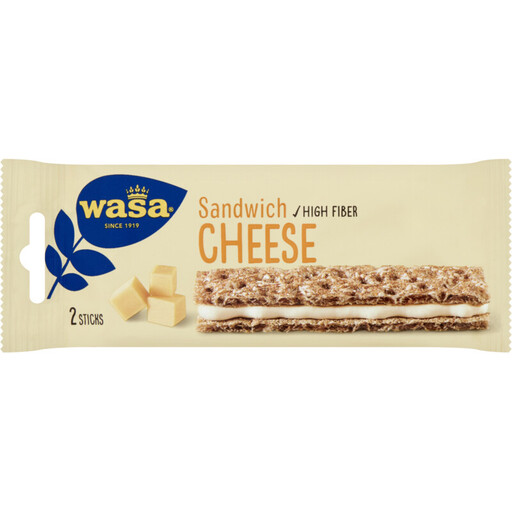 Image unavailable
Wasa Cheese Sandwich, 3 × 31 g
For anyone looking for a snack in smaller individual portions: the pack contains 3 × 31 g.
Before packing it, check the latest allergen information and the school or childcare setting’s requirements.
View at Joybuy
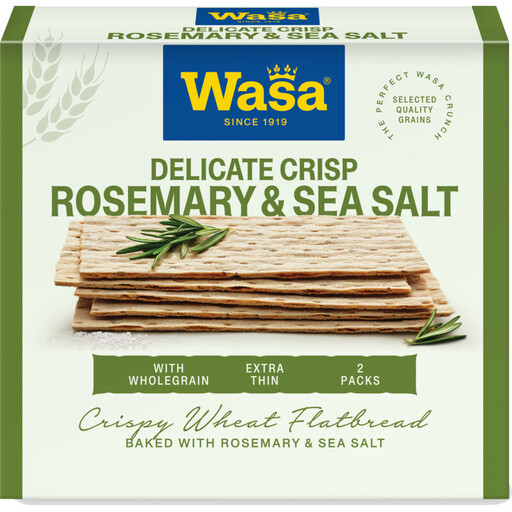 Image unavailable
Wasa Thin Crisp Rosemary & Salt, 190 g
For anyone who likes to eat crispbread with or without a topping and finds a 190 g pack the right size.
If you’re specifically looking for a wholegrain variety, don’t rely on the name alone. Read the cereal ingredients and check the allergens on the pack.
View at Joybuy
 Image unavailable
Wasa Wholegrain Crispbread, 260 g
For a household that regularly uses a wholegrain base for toppings and can get through a 260 g pack.
Albert Heijn lists wholegrain rye for Wasa Wholegrain, 260 g, and rye and cereals containing gluten among the allergens. Check the pack before use.
View at Joybuy
 Image unavailable
Bolletje Whole Grain Crispbread, 265 g
For anyone looking for a wholegrain base for toppings and expecting to use a 265 g pack.
Don’t assume this product is sesame-free: the product information available is contradictory about sesame. Before packing it, check the ingredients and allergens on the pack you buy.
View at Joybuy
 Image unavailable
Wasa Rustic Crispbread, 215 g
For anyone looking for a base for toppings in a 215 g pack, smaller than the 260 g and 265 g packs shown here.
If you’re taking the crispbread to school, check the cereals and allergens on the current packaging.
View at Joybuy
Frequently asked questions
Is crispbread suitable for an after-school snack?
Wholegrain crispbread is one possible grain-based snack: the Netherlands Nutrition Centre recommends it as an option for children aged 4 to 12. Also consider the portion and topping, and check for any relevant allergens.
What should I look out for if gluten is a concern for my child?
Before use, read the allergen information on the current packaging. Albert Heijn lists rye and cereals containing gluten for Wasa Wholegrain; Jumbo lists wheat and wheat gluten for Wasa Protein Wheat. The Netherlands Food and Consumer Product Safety Authority explains that allergens must be listed in the ingredients.
Does crispbread made with baker’s salt always contain iodine?
You can’t tell from the product category or the words ‘baker’s salt’ alone. Brood.net explains that using iodised baker’s salt isn’t a legal requirement; check the product’s ingredients if this matters to your choice.
How should I store crispbread after opening?
Follow the storage instructions on the pack and seal it well after opening. The product pages consulted recommend storing Wasa Wholegrain in a dry place. This is particularly useful if you have a small household and won’t get through a pack quickly.
Is an online allergen list enough for a snack to take to school?
Use online information to shortlist products, but check the pack you actually buy. Albert Heijn notes that ingredients and allergen information may change; you should also ask about the school or childcare setting’s policy.


