
Budget-conscious shoppers with dietary requirements
You want an affordable snack without compromising on your dietary needs. A specific claim, such as gluten-free or lactose-free, is more informative than a general term such as ‘free from’.


Choose affordable popcorn based on the specific ingredient you need to avoid. Albert Heijn lists AH Salted Popcorn as gluten-free and lactose-free, but lactose-free does not mean a product is suitable for someone with a milk protein allergy. Then compare preparation methods and costs on a like-for-like basis, and check the packaging of the exact variant for ingredients and allergen warnings.
You want an affordable snack without compromising on your dietary needs. A specific claim, such as gluten-free or lactose-free, is more informative than a general term such as ‘free from’.
You check for the allergen that matters to you, as well as warnings about possible cross-contamination. Lactose intolerance and a milk protein allergy need to be assessed differently.
You want to choose your own oil and flavourings, and don’t mind preparing the popcorn yourself. Check the corn and any other ingredients too: popping it yourself does not guarantee that the ingredients are allergen-free.
First check whether the variant is suitable for someone avoiding the ingredient in question; only then compare preparation methods and costs.
| What to consider | What to look for | Who should pay particular attention? |
|---|---|---|
| The allergen to avoid | Read the ingredients and warnings on the packaging of the exact variant. | If I avoid a specific allergen, I want to be able to assess the ingredients and possible cross-contamination carefully. Around 34% of consumers prioritise allergen safety. |
| Cost within your diet | Compare the same quantity of ready-to-eat popcorn, and include oil and preparation costs if you’re popping it yourself. | If I’m keeping an eye on my budget, I want to compare only options that suit my diet and assess costs on a like-for-like basis. Around 33% of consumers prioritise cost. |
| What the dietary claim means | Assess gluten-free, lactose-free and milk protein information separately. | If I need a dietary claim, I want to know whether it matches my specific needs. Around 20% of consumers prioritise the dietary claim that is right for them. |
| Preparation and storage | Check the preparation instructions, equipment needed and storage advice. | Once the dietary requirements are met, I want a preparation method that suits the way I’ll use the product. Around 13% of consumers prioritise convenience. |
Lactose is milk sugar; milk protein is a different component. So a lactose-free claim does not prove that the popcorn is suitable for someone with a milk protein allergy.
If you have a milk allergy, check the packaging for information about milk and possible cross-contamination.
AH Organic Popcorn Corn lists corn as an ingredient, but also carries a warning about cereals containing gluten, soya and wheat.
As well as the ingredients list, check the dietary information and allergen warnings.
One quantity refers to unpopped corn and the other to ready-to-eat popcorn. You may also need oil and flavourings if you’re popping it yourself.
Compare the cost of the same portion once eaten, and include any additional ingredients you’ll need.
Albert Heijn says that ingredients and dietary or allergy information may change.
Check the packaging you receive before eating the popcorn.
The details below apply to the specific variants reviewed, not to a brand’s entire range.
Variants reviewed for ready-to-eat snacking and home popping.
Options reviewed for ready-to-eat popcorn and microwave preparation.
Snack Day is Lidl’s own snack brand, which Lidl positions as good value.
Sun Snacks includes a salted popcorn variant reviewed here.
These popcorn options give you product-specific information to consider alongside your dietary requirements. Always check the packaging of the exact variant.
 No image available
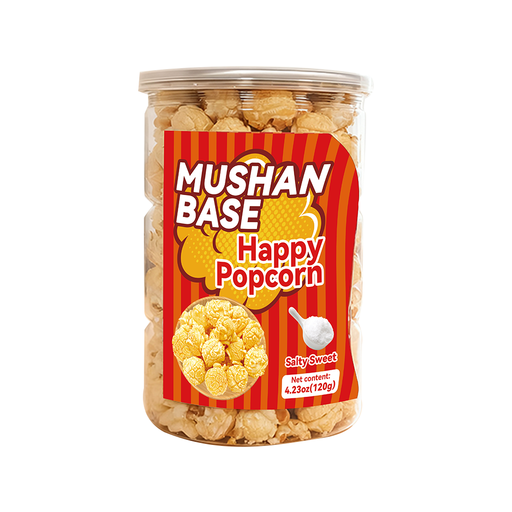
The product description states that it does not contain any of the 14 major EU allergens; check the packaging as well if you have a specific allergy.
The name indicates a sweet and salty flavour and a pack size of 120 g.
 No image available
The product information lists soya as an ingredient and says it may contain gluten; this is not a confirmed gluten-free option.
The name indicates salted popcorn and a pack size of 100 g.
No. Lactose intolerance and cow’s milk allergy involve different components of milk. Don’t treat a lactose-free claim as proof that a product is suitable for someone with a milk protein allergy; check the packaging for information about milk.
For pre-packed products, legally required allergen information must appear on the label. The Netherlands Food and Consumer Product Safety Authority also explains that allergens in the ingredients list must be clearly distinguished from the other ingredients.
According to the Netherlands Food and Consumer Product Safety Authority, new Dutch rules have applied since 1 January 2026 on how and when businesses must warn about possible allergen cross-contamination on product labels. This is known as Precautionary Allergen Labelling (PAL). Check for a warning about the allergen you avoid.
No. Even when making it yourself, you need to check the corn, oil and flavourings. In its popcorn recipe, the Netherlands Nutrition Centre warns that it cannot guarantee the ingredients used are allergen-free.
Compare the cost of the same portion once eaten, and include the oil and flavourings used if you’re popping it yourself. Unpopped corn and ready-to-eat popcorn are different starting points for a comparison.