
Families keeping an eye on everyday spending
A whole loaf can come in handy after dinner too. Compare the type and weight of the bread, and think about how many slices your family will actually eat or can freeze.


A wholemeal loaf is a practical choice if your family will eat bread after dinner too, and you can store any leftovers. If you’re mainly looking for a warm side to share, bake-off baguettes or rolls may be a better fit for the meal. Just bear in mind how much you’ll need and, for bake-off bread, the preparation time. Compare bread of the same type and size before deciding what suits your budget.
A whole loaf can come in handy after dinner too. Compare the type and weight of the bread, and think about how many slices your family will actually eat or can freeze.
If bread is a regular feature at mealtimes, a wholemeal loaf could work for dinner as well as later meals. The Netherlands Nutrition Centre describes wholemeal bread as a source of fibre, vitamins and minerals. Check the nutritional information for the products you’re comparing.
Baguettes to share or individual rolls can be more convenient than a whole sliced loaf when bread is just a side dish. If you’re buying bake-off bread, check that you have time to prepare it.
First, decide whether the bread is just for dinner or for later meals too. Then choose the type and quantity; only after that should you compare products with a similar format and purpose.
| What to consider | What should you check? | Who is this important for? |
|---|---|---|
| Family spending | Compare the same type of bread and product format; check the weight and any offer terms. | If bread is often on the table, I want a purchase to be useful for the family beyond just one dinner. Around 42% of consumers put this spending first. |
| Wholemeal within budget | Look for the term ‘wholemeal’ and, when comparing different products, check their nutritional information on the same basis, such as per 100 g. | If we eat bread on other days too, I want to be able to choose a wholemeal option thoughtfully, rather than relying on the name or colour alone. Around 33% of consumers put this combination first. |
| Portions and preparation | Check the number of items, the total weight and, for bake-off bread, the instructions on the packaging. | For one dinner, I want enough bread to share, but I don’t want to be left with a whole loaf and no plan for the leftovers. Getting the quantity right is the main concern for around 25% of consumers. |
A shop’s promotion may only apply for a certain period, at a particular location or through a loyalty scheme. A whole loaf and a pack of rolls also differ in quantity and how you use them.
Check the terms when you buy, and compare products in the same format and of a similar weight.
The colour and a name such as ‘multigrain’ don’t tell you on their own how much wholemeal flour or fibre the bread contains.
If wholemeal is your priority, look specifically for ‘wholemeal’ and check the ingredients and nutritional information.
If bread is just a side dish at dinner, a whole loaf may be more than you need. The Netherlands Nutrition Centre recommends freezing bread in portions as soon as you buy it if you want to use it later.
Choose a quantity that suits the meal, or freeze any remaining portions straight away.
The ingredients can vary from one loaf to another. So if the type of salt matters to you, don’t rely on the type of bread alone.
For packaged bread, read the ingredients list. For unwrapped bread, ask the baker which salt has been used.
Albert Heijn lists different types of bread online, including wholemeal loaves. This can be handy if bread is part of a larger grocery order.
Jumbo lists whole and half loaves, rolls and bake-off products online. This gives you a choice of bread for dinner as well as later meals.
Lidl sells fresh bread in store and sometimes advertises temporary offers.
ALDI’s bread range includes wholemeal loaves and other types to choose from in store.
PLUS lists both wholemeal loaves and bake-off wholemeal multigrain baguettes online. The way you want to serve the bread may help you decide.
Dirk lists wholemeal loaves and wholemeal rolls, among other options. The right format depends on how many meals you’re planning for and the portions you need.
These bread options suit different ways of serving bread at a family dinner: as a side to share, in individual portions or as a whole loaf for more than one meal. Before choosing, check the quantity, nutritional information and any preparation instructions on the pack.
 No image available
These individual flatbreads are a good option if you want to share bread at the table, perhaps with dips. The product name says whole wheat and the pack contains six pieces; check the ingredients and allergen information on the packaging.
 No image available
The pack of nine could work if you want to serve the bread in individual portions with dinner. This is rye bread; compare the packaging and nutritional information with the type of bread you might otherwise choose.
 No image available
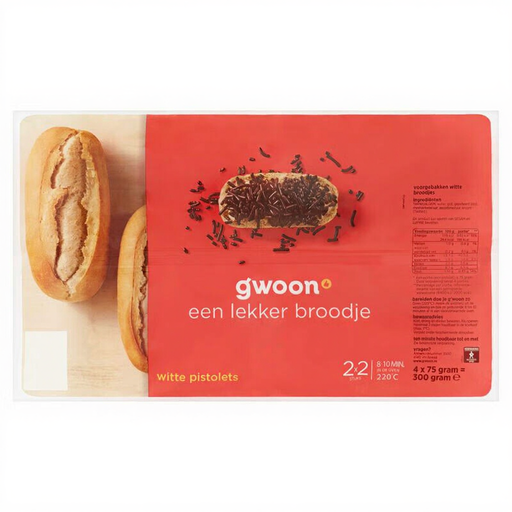
Four individual white rolls can be more convenient than a whole loaf if you want to serve one portion per person. The pack contains 300 g in total; choose a different type of bread if wholemeal is your priority.
 No image available
Four baguettes make individual portions for a warm bread side. Allow time to defrost and bake them, and follow the preparation instructions on the packaging. ‘Multigrain’ doesn’t automatically mean the bread is wholemeal.
 No image available
This 550 g round wholemeal loaf could be a good choice if you want to serve a whole loaf and can use any leftovers. Allow time to defrost, bake and cool it before serving, following the instructions on the packaging.
Not always. A whole loaf is most practical if your family eats bread after dinner too, or if you can freeze the leftovers. If bread is just a small side dish, compare the quantity you need with rolls or bake-off bread. Assess products in the same format and of a similar weight.
Choose a quantity that suits the meal, and freeze any portions you won’t use straight after buying them if you plan to eat them later. The Netherlands Nutrition Centre advises throwing away mouldy bread.
Check the ingredients and allergen information for the specific bread. A name such as ‘wholemeal’ or ‘artisan’ doesn’t tell you whether it’s suitable. For unwrapped bread, ask for the relevant product information rather than trying to judge its ingredients by its appearance.
For packaged bread, read the ingredients list. For unwrapped bread, ask the baker which salt has been used. Don’t assume every loaf has the same ingredients.
Follow the instructions for the product you buy, as preparation times vary. For PLUS’s wholemeal multigrain baguettes, the product instructions specify 8–10 minutes in the oven at 220 °C.