
Vandaag of morgen in huis

Kwaliteit gegarandeerd

Welkomstaanbiedingen ontgrendelen: GRATIS bezorging | Tot 80% korting | Gratis 30 dagen JoyPlus-proefperiode
Download de app
An adult cycling helmet may seem simple to choose, until you compare different models side by side. A road cycling helmet has different features from a city cycling helmet, while a BMX helmet or full-face mountain bike helmet is designed for a different type of use.
The biggest buying mistakes usually result from three recurring pitfalls:
A good choice therefore starts not with appearance, but with how you intend to use the helmet and the circumference of your head.
Use a flexible tape measure around the widest part of your head, approximately one to two centimetres above your eyebrows. Compare the result with the size chart for the specific model. A size L is not the same size with every brand.
An adjustable cycling helmet should sit securely without feeling tight. The adjustment dial should allow the helmet to fit evenly around your head. Also check the chin strap: it should be secure without cutting into your skin. With a correctly adjusted strap, you should generally be able to fit around two fingers between the strap and your chin.
Also look out for:
A lightweight cycling helmet with several ventilation openings is often suitable for commuting, touring and road cycling. A road cycling helmet is generally designed to be lightweight and provide good airflow, while a city cycling helmet often places extra emphasis on visibility and everyday use.
For skateboards, roller skates and BMX, models with a robust ABS outer shell and EPS core are available. A skateboard helmet often has a rounder shape and covers the sides and back differently from a road cycling helmet. For downhill riding and intensive mountain bike rides, a full-face mountain bike helmet provides more coverage around the face and chin, but it is also heavier and warmer.
Do not automatically use a MIPS ski helmet for cycling. A helmet is designed for a specific activity and the relevant standards stated in the product information.
With a MIPS cycling helmet, the manufacturer describes an additional layer intended to influence certain rotational forces during an impact. This is not a guarantee that injury will be prevented. You should therefore also check the fit, fastening, condition of the helmet and information about its intended use.
For cyclists who often ride at dusk, a cycling helmet with LED lighting can be practical. A rear light makes you more visible, but it does not replace bicycle lights or reflective clothing. Check whether the light is rechargeable via USB, how long the battery is said to last according to the product description and whether the light can be removed.
When checking standards, always look at what is stated literally alongside the product. According to the supplied product information, for example, the ACTION PW-903-PG lists EN1078 and CE certification. Other models mention CPSC, ASTM or European standards, among others. Treat a brand claim as product information and check the current specifications on the product page.

Why it suits this profile: A versatile model for gentle cycling, skating, BMX and scooter use, with two sizes of inner lining for a personalised fit.
Size S is specified for 52–55 cm, and the model has an adjustment knob and adjustable chin strap. The two removable liners are washable.
ABS shell, EPS core, ventilation and suitable for several non-motorised sports.

Why it suits this profile: Designed for adults who regularly ride road bikes or commute, and who value MIPS, ventilation and an adjustable fit.
The product description mentions an integrated MIPS system, a dial-adjusted fit and a system with multiple ventilation openings.
Polycarbonate outer shell, EPS inner layer, adjustable straps and a design for commuting and road use.
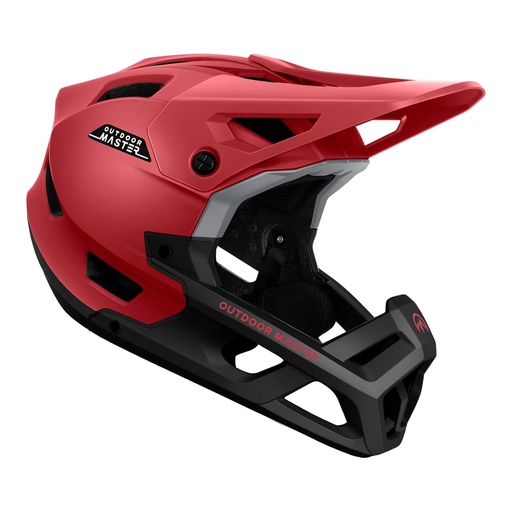
Why it suits this profile: Intended for downhill, BMX and more intensive mountain biking, where additional coverage around the chin and face is desirable.
The chin guard, D-ring straps and fit adjustment make it clear that this is not an ordinary city helmet. This makes it better suited to the intensive use described.
ABS outer shell, EPP inner lining, 27 ventilation channels, removable lining and adjustable visor.
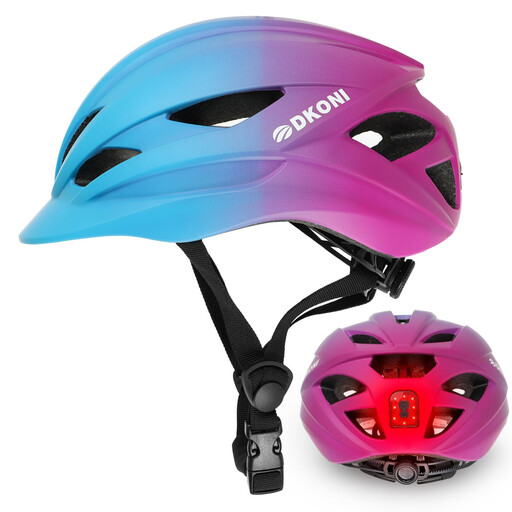
Why it suits this profile: Handy for city rides and commuting where ventilation and extra visibility at dusk are important.
Size L is specified for 58–61 cm. The removable, USB-rechargeable rear light means that the lighting does not have to remain permanently attached to the helmet.
PC shell, EPS foam, 15 ventilation openings and a rear light with two modes.
A helmet requires little maintenance, but it does need to be used consistently:
A children's helmet should also fit securely. Do not look only at age: head circumference and the intended activity are the deciding factors. A children's helmet for cycling or skating is not intended for climbing or motorised vehicles.
We have put together a complete, up-to-date list of products that fully meet these strict selection criteria and the applicable European safety regulations.
The helmet should remain stable when you move your head, without creating painful pressure points. First adjust the rear dial, then adjust the chin strap. The helmet should sit level and must not slide backwards.
There is no fixed lifespan for every model. Replace a helmet immediately after a significant impact. Also check regularly that the shell, EPS core, straps and fastening are still intact. For replacement due to ageing, follow the manufacturer's information.
A MIPS model may be worth considering if you value this additional construction, but a proper fit and fastening it correctly remain essential. For commuting, you can also look for ventilation, water resistance in accessories and a cycling helmet with LED lighting for improved visibility.
