
Vandaag of morgen in huis

Kwaliteit gegarandeerd

Welkomstaanbiedingen ontgrendelen: GRATIS bezorging | Tot 80% korting | Gratis 30 dagen JoyPlus-proefperiode
Download de app
Buying an adult cycling helmet might seem straightforward, until you have to choose between a city helmet, a mountain bike helmet, a road cycling helmet or a helmet with a rear light. Marketing claims such as “extra safe”, “ultralight” or “professional” don’t tell you much on their own. The important question is: does the helmet suit your head, the way you cycle and the conditions you ride in?
Sizes vary between brands and models. A medium from one brand may fit differently from a medium from another. So measure your head circumference in centimetres, about one to two centimetres above your eyebrows. Then always check the stated size range, such as 54–58 cm or 58–61 cm.
A helmet that’s too loose may shift out of place. One that’s too tight can quickly become uncomfortable on your commute or longer rides.
A visor, MIPS system, ventilation vents or an LED light can be useful, but none of these features replaces a proper fit and a securely fastened chin strap. A cycling helmet with a visor, for example, can help shield you from the sun, rain and road spray, while a cycling helmet with a rear light can help improve your visibility. That doesn’t mean you should cycle without bike lights or reflective clothing.
Also check which safety standards and product details are actually listed for the model. A brand’s claims about protection aren’t a universal guarantee against every type of accident.
The outside of a helmet can still look fine after an impact, even if the EPS inner layer has been damaged. So replace your helmet after a significant impact. Some product information also recommends replacing it after 3 to 5 years, as materials can deteriorate over time. Always follow the instructions and inspect your helmet before use.
An adjustable cycling helmet usually has a dial at the back and straps that can be adjusted around the ears and under the chin. It should stay stable when you move your head, without creating pressure points. The chin strap should be secure, but not uncomfortably tight.
Look at the size range alongside the inner padding. For example, the OutdoorMaster Oryx comes with two removable liners and is designed for a head circumference of 54–58 cm. This can help you fine-tune the fit and wash the liner.
Many cycling helmets combine an outer shell made from ABS or polycarbonate (PC) with an inner layer of EPS foam. The outer shell helps protect the helmet’s shape, while the EPS layer is designed to absorb energy in certain impacts. The exact construction varies by model.
In-mould construction bonds the outer shell and EPS layer during manufacturing. According to the product description, the DKONI HS-062 and various DKONI and OutdoorMaster models use this type of construction.
An MIPS cycling helmet has an extra layer that, according to the manufacturer, is designed to reduce harmful rotational forces on the head in certain angled impacts. That is the purpose of the MIPS system, according to OutdoorMaster’s product information. It’s not a guarantee against injury and won’t make a poor fit safe.
Ventilation vents are important for comfort. A mountain bike helmet is often used for strenuous rides and in warm weather, while a road cycling helmet may prioritise a lightweight, aerodynamic design. Don’t just look at the number of vents; consider their shape, the padding and how adjustable the helmet is, too.
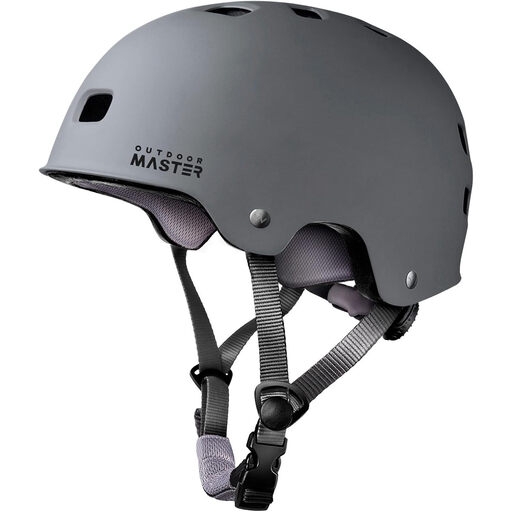
Why it suits this type of rider: This helmet is suitable for recreational cycling, BMX and other activities where a simple, adjustable fit is important.
The stated size range of 54–58 cm and two removable liners make it easier to adjust the fit and keep the inside clean.
ABS outer shell, EPS inner layer, adjustment dial and ventilation; the liners are removable and hand-washable.
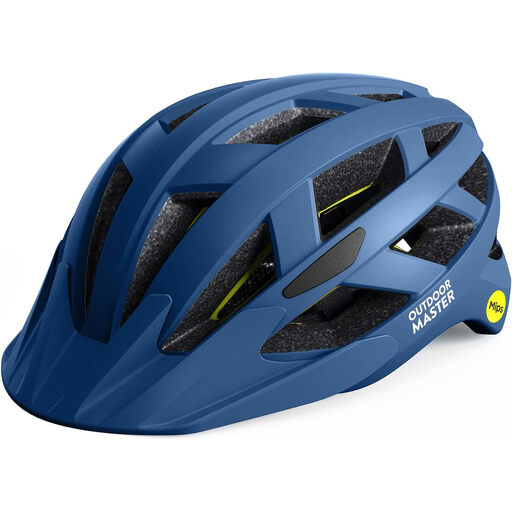
Why it suits this type of rider: A good choice for cyclists looking to combine MIPS, ventilation and an adjustable fit in one helmet.
The specifications clearly list MIPS, two liners and an adjustment dial. This lets you check the features that matter instead of relying on a marketing label alone.
PC outer shell, EPS inner layer, MIPS system, 25 ventilation vents and a removable visor.
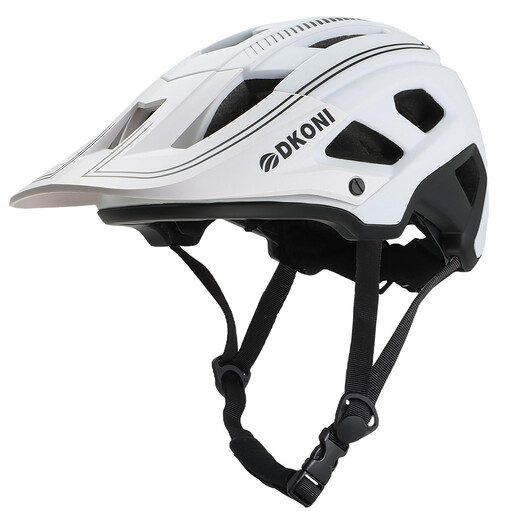
Why it suits this type of rider: Designed for mountain bikers looking for a removable visor, extra head coverage and ventilation for off-road rides.
The model lists a size range of 54–58 cm, an adjustment dial and a removable ABS visor. This makes it easy to check its practical features before buying.
PC and EPS construction, 17 ventilation vents, removable visor and a stated weight of 380 grams.
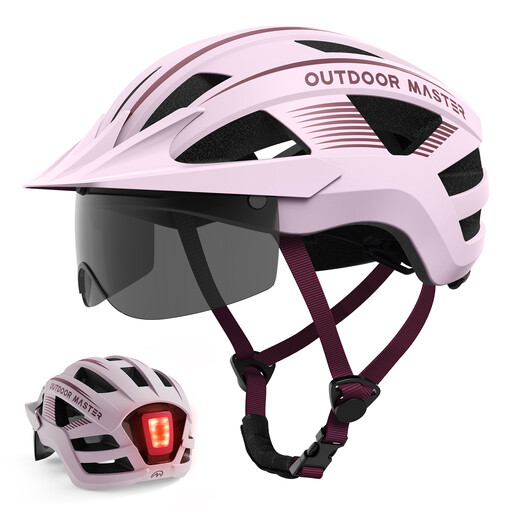
Why it suits this type of rider: A handy option for city rides, commuting and e-bike riders who want extra visibility and eye protection.
The product information lists the adjustment dial, rear light, goggles and visor separately. Before buying, check that these features suit your route and how you ride.
PC and EPS construction, 17 ventilation vents, a USB-C rechargeable rear light and magnetically detachable goggles.
We’ve put together a complete, up-to-date list of products that meet these strict selection criteria and current European safety regulations.
For children aged 5 and over, there are models with a smaller size range and a simpler adjustment system. According to the product information, the OutdoorMaster Ibex Youth & Kids Bike Helmet is designed for children aged 5 and over and comes with two removable liners. The RoyalBaby Helmet Everest is listed for children aged 5–13 years and a head circumference of 52.05–55.88 cm.
Measure your child’s head first, too. Buying a helmet for them to grow into won’t work if it shifts out of place. Also check that the chin strap is adjusted correctly.
The helmet should sit securely on your head without causing painful pressure. When you gently move it from side to side, the skin on your forehead should move slightly with it. The chin strap should be fastened, with only a small amount of space between the strap and your chin. Follow the fitting instructions for the specific model.
Replace your helmet after a collision or heavy impact, even if you can’t see any damage. Also check the manufacturer’s advice on material ageing. Some models recommend replacement after 3–5 years. Damaged, loose or missing parts are a reason to stop using the helmet.
A rear light on your helmet can help make you more visible at dusk or in the dark. It doesn’t replace any lights required on your bike or reflective details. For your daily commute, a comfortable fit, washable liner and good ventilation are often more important than a long list of extra features.
