
Vandaag of morgen in huis

Kwaliteit gegarandeerd

Welkomstaanbiedingen ontgrendelen: GRATIS bezorging | Tot 80% korting | Gratis 30 dagen JoyPlus-proefperiode
Download de app
A bag of dry food or a multipack of wet food might seem like a quick choice. Yet cat owners often end up paying too much for a pack that doesn't suit their cat's age, lifestyle or eating preferences. When it comes to adult cat food, there are three main pitfalls to watch out for:
So the right choice doesn't start with the packaging or a well-known brand name, but with verifiable information: life stage, product type, ingredients, portion size and shelf life.
For cats from around one year old, food labelled complete food for adult cats is usually suitable, unless your cat is at a different life stage or has specific dietary needs. Also check the daily amount. This depends on body weight, activity level and body condition.
For example, an 800g bag of dry food may last a different length of time for an active outdoor cat compared to a sedentary indoor cat. With wet food, the packaging often states how many pots, pouches or tins are needed per day for a cat of around 4kg.
With cat food featuring salmon or cat food with chicken, the percentage of the named ingredient matters. In several wet food products from the range, for instance, the highlighted variety makes up 4% of the recipe. That makes the flavour clear, but it doesn't mean the product is entirely made of salmon or chicken.
So pay attention to:
Always read a marketing claim about effects in the right context. According to Purina's own research, a particular Purina One formula may, for example, influence stool odour or tartar. That's a brand claim, not a general guarantee for every cat.
Wet cat food typically contains a lot of moisture and is often sold in portions of 85g or 100g. This is practical if you give several small meals a day. Once opened, the leftovers must be kept refrigerated according to the label and used within the stated time.
Dry cat food is easier to portion and stays fresh longer after opening, provided the bag is sealed properly and stored in a cool, dry place. It's best to measure the portion in grams rather than constantly topping up the bowl. This helps you better control the daily amount.
A combination of wet and dry food can be practical, but remember to count the energy from both types. If you also give treats, these need to be taken into account too.
For cat food for neutered cats, the portion instructions and the fat and protein content are especially important. Purina One Sterilcat Beef & Grain Formula, for example, states an adjusted protein-to-fat ratio and balanced minerals. This information comes from the brand's product description; it is not a substitute for personal dietary advice.
For cat food for sensitive cats, a simpler recipe or a formula without added wheat can be a practical choice. Purina One Sensitive Turkey & Rice lists turkey as the first ingredient and no added wheat. According to Purina's own research, this formula is said to bring about a change in stool odour. If symptoms persist, always check the cause with a vet.
For cat food for urinary health, there are varieties with adjusted minerals or a formula that the brand says is developed for the urinary tract. Purina One Urinary Care Chicken contains, among other things, chicken, fish oil and a stated analytical composition. Do not use such food as a treatment for a condition without consulting a vet. With every type of food, make sure your cat has access to plenty of fresh drinking water.
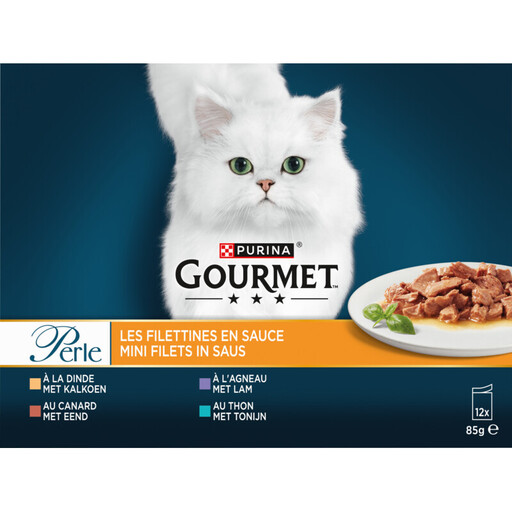
Why this suits the profile: A multipack of 12 portions of 85g offers a manageable way to try different flavours without committing to a large stock straight away.
The portions are packed in 85g servings and the product information states it is complete food for adult cats. This makes the daily amount easier to follow.
12 pouches of 85g; variety with turkey and tuna; according to the product description, no added colourings, preservatives or flavourings.
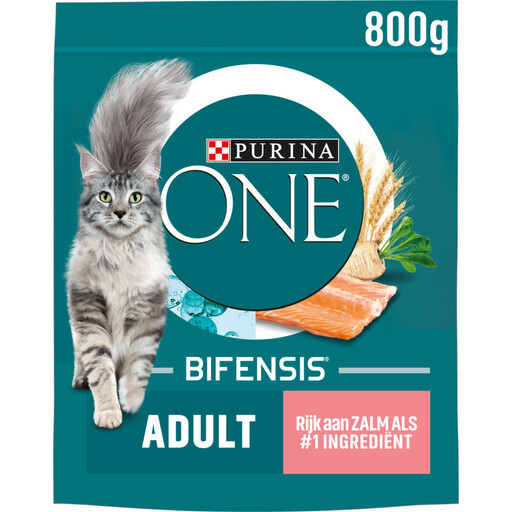
Why this suits the profile: This bag is designed for adult cats from one year old and lists salmon as the first ingredient, alongside whole grains and added vitamins and minerals.
The packaging clearly states the life stage and product type. The ingredients can be checked in advance rather than relying solely on the flavour name.
800g dry food; salmon as the first ingredient according to the product description; complete food for adult cats.
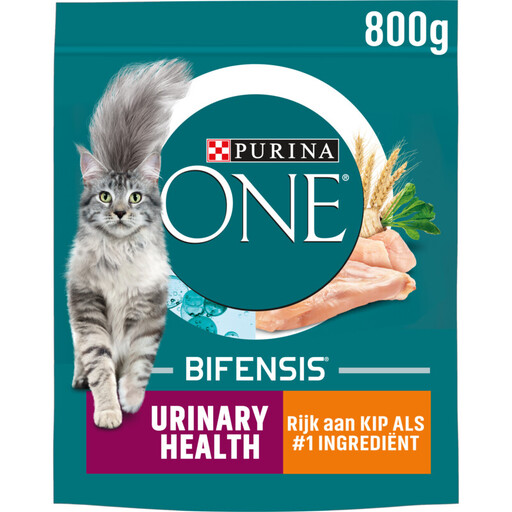
Why this suits the profile: A targeted dry food formula for adult cats where the product information focuses on urinary health, minerals and daily portions.
The ingredients and feeding guidelines are clearly specified. Do not use this variety as a medical treatment without consulting a vet.
800g; 34% crude protein and 14% fat according to the product specification; feeding advice by weight category.
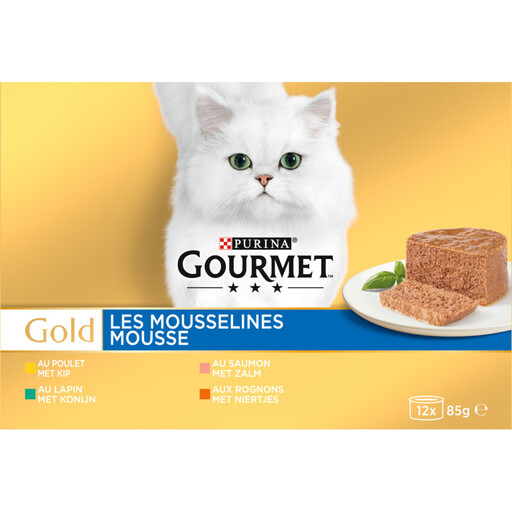
Why this suits the profile: The soft mousse texture and different varieties suit cats that prefer smooth food over kibble.
The product description states it is complete food for adult cats and gives a concrete guideline for a 4kg cat.
Multipack with mousse; multiple flavours; individual portions that can be kept refrigerated after opening.
We've put together a full, up-to-date list of products that fully meet these strict selection criteria and comply with current European safety regulations.
This varies by weight, activity, age and body condition. Use the feeding guideline on the packaging as a starting point. An average 4kg cat will need around three to four portions of wet food per day, spread over at least two meals. Check your cat's weight regularly and adjust the amount as needed.
That depends on the brand, packaging and daily amount. Dry food is often easy to store and portion by the gram. Wet food comes in small portions, but can run out more quickly with daily feeding. Compare the price per 100g and the recommended daily amount. This way, you avoid a cheap pack turning out more expensive because of a higher daily portion.
Always follow the product label. For several of the varieties mentioned, leftovers should be covered and kept in the fridge, and used within 24 to 48 hours. Serve wet food at room temperature if possible, and make sure your cat always has access to fresh, clean drinking water.
