
Vandaag of morgen in huis

Kwaliteit gegarandeerd

Welkomstaanbiedingen ontgrendelen: GRATIS bezorging | Tot 80% korting | Gratis 30 dagen JoyPlus-proefperiode
Download de app
Buying an adult bike helmet might seem straightforward – until you have to choose between a MIPS bike helmet, mountain bike helmet, road cycling helmet or a bike helmet with lights. Marketing often focuses on one standout feature, but it’s the size, closure and intended use that really determine whether a helmet is comfortable and safe to wear.
Watch out for these common pitfalls:
Measure your head circumference with a flexible tape measure, about two fingers above your eyebrows. Compare the result with the manufacturer’s size guide. The helmet should sit horizontally and not slide forwards or backwards when you move your head.
Also check for:
For adults, common sizes include 54–58 cm, 56–61 cm and 58–61 cm. So don’t just look at the M or L label – the centimetres are what really matter.
Many bike helmets combine a polycarbonate (PC) outer shell with an EPS or EPP inner layer. The outer shell helps hold the structure together; the foam layer is designed to absorb energy on impact. A full-face bike helmet adds a chin bar and is therefore mainly aimed at downhill, BMX and intensive mountain biking.
Check the product page for which standards and certifications are actually listed. The DKONI HS-158, for example, mentions CPSC, CE and ASTM in its product information. The OutdoorMaster RhinoUrban lists CPSC and ASTM. According to the product descriptions from these brands, this means the models in question are linked to the stated standards or certifications; it is not a guarantee that a helmet will prevent every impact.
A MIPS bike helmet includes an extra system that, according to the product description, is designed to potentially reduce harmful rotational forces in certain impacts. So think of MIPS as an additional construction feature, not a replacement for a good fit.
A road cycling helmet is typically designed for low air resistance and ventilation, while a mountain bike helmet often offers more coverage on the sides and back. For commuting, a rear light, washable padding and an easily adjustable closure can be more practical than a large peak.
Also pay attention to the stated weight. The DKONI HS-061 and HS-062 weigh 380 grams according to the product information. The OutdoorMaster full-face helmet weighs less than 750 grams and has 27 ventilation channels. That difference matters: extra coverage and a chin bar can offer more protection for specific rides, but they are usually bulkier than a lightweight bike helmet for everyday use.
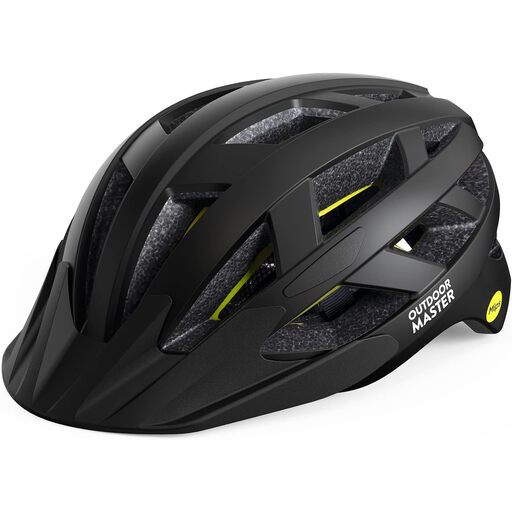
Why this fits the profile: This model is suitable for recreational cycling, BMX, mountain biking and skating. The adjustable fit and two removable linings make it easier to tailor the helmet.
The size isn’t determined by a fixed scale alone: a dial and two linings help prevent a loose or tight fit.
MIPS system according to the product description, 25 ventilation openings and a removable visor.

Why this fits the profile: A logical choice for road cyclists and commuters looking for a MIPS bike helmet with an adjustable fit and ventilation.
The product information specifically mentions a MIPS system, a fit wheel and multiple ventilation openings, rather than just general comfort claims.
PC outer shell, EPS lining, MIPS and adjustable straps; suitable for road cycling and commuting.
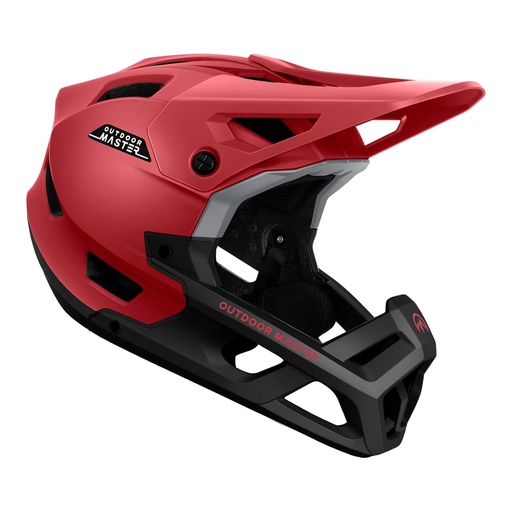
Why this fits the profile: The full-face bike helmet is designed for downhill, BMX and intensive mountain biking, where extra coverage around the chin and face may be desired.
The intended use is clearly defined. This isn’t a lightweight city helmet you’d need to adapt for heavy descents, but a model with an integrated chin bar.
EPP inner layer, chin bar, 27 ventilation channels, removable lining and adjustable visor.
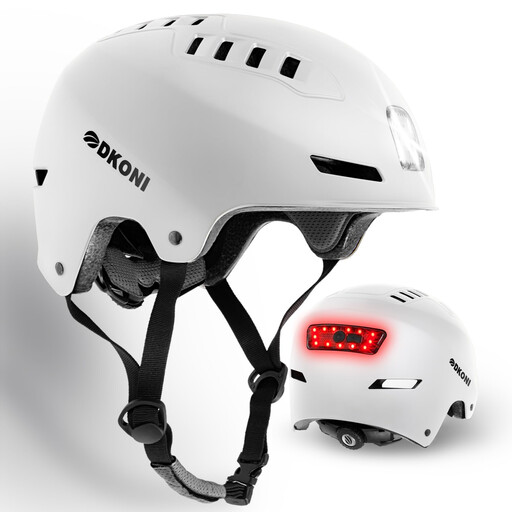
Why this fits the profile: The combination of front and rear lights, USB charging and a simple dial mechanism suits city rides and daily commuting.
The light is an integrated component, but always check the charge level before setting off and use the legally required bike lights where necessary.
Five white LEDs at the front and thirteen red LEDs at the rear, four rear light modes and twenty ventilation openings according to the product information.
We’ve put together a full, up-to-date list of products that fully meet these strict selection criteria and comply with current European safety regulations.
Clean a helmet with a soft cloth and mild soap. Wash removable linings according to the product instructions and let them air dry completely. Do not use solvents and do not leave the helmet in high temperatures for long periods.
Replace a bike helmet after a significant fall or collision, even if there is no visible damage on the outside. Check the shell, lining, closure and straps before every ride. The same applies to a protective set for adults and teenagers: do not use knee pads, elbow pads or wrist guards with tears, loose straps or shifted padding.
The helmet should sit horizontally on your head and stay stable when you move your head. First adjust the dial, then the chin strap. There should be no large gaps between your head and the inner padding.
The lifespan depends on the materials, storage and use. Replace the helmet immediately after a serious impact. Even without an accident, regular checks are necessary because foam, straps and padding can wear out. Follow the manufacturer’s specific replacement guidelines.
Not always. The integrated light can boost your visibility, but check the local traffic regulations and ensure you have the required front and rear lights where needed. A charged light, reflective clothing and a properly adjusted helmet all work together.
