
Vandaag of morgen in huis

Kwaliteit gegarandeerd

Welkomstaanbiedingen ontgrendelen: GRATIS bezorging | Tot 80% korting | Gratis 30 dagen JoyPlus-proefperiode
Download de app
Buying an adult bike helmet might seem straightforward – until you have to choose between a MIPS helmet, an adult mountain bike helmet, a road cycling helmet or a bike helmet with LED lights. Marketing terms don’t always tell you how comfortable a helmet will be in daily use. The right choice really comes down to fit, size, ventilation and the type of riding you do.
A visor, LED light or MIPS system can be useful, but they don’t automatically make a helmet suitable for every cyclist. A helmet with a visor is practical for mountain biking and changeable weather, while a city rider might benefit more from a rear light. First, check that the basics are right: the helmet must fit snugly, stay stable and be fastened correctly.
Size M and size L aren’t fixed standards. One helmet in size M might fit 54–58 cm, while another model in size M is intended for 55–58 cm. So measure your head circumference with a tape measure, about two centimetres above your eyebrows. Then choose based on the size chart for the specific product.
A helmet that’s too loose can shift while you’re riding. A model that’s too tight quickly creates pressure points and, as a result, gets worn less often.
A lightweight bike helmet with few air vents might look appealing on paper, but it can feel less comfortable on longer rides. Pay attention to the number of vents and the internal air channels. A well-ventilated helmet with strategically placed openings helps to wick away heat and moisture more effectively, although the experience varies from person to person and with cycling speed.
An adjustable bike helmet usually has a dial at the back and adjustable straps around the ears and under the chin. Set the dial so that the helmet fits firmly without pinching. The front should sit low enough to cover your forehead, but it must not restrict your vision.
Also check that the chin strap closes flat under your jaw. Never use a helmet without fastening the strap, even for short rides.
Many models combine a polycarbonate or ABS outer shell with an EPS or EPP inner layer. These materials and constructions are listed in the product specifications and show how the helmet is built. They are not a guarantee that injury will be prevented. According to brand product information, MIPS may be designed to reduce rotational forces in certain angled impacts; treat this as a product specification, not an absolute claim of protection.
Also check that the product carries the required European marking and safety information. Bike helmets often reference EN 1078 for helmets for cyclists, skateboarders and roller skaters. When buying online, look for the conformity information, manufacturer and EU responsible party.
A road cycling helmet is usually designed for low weight and airflow. For commuting, a model with a rear light or reflective details can be more practical. An adult mountain bike helmet often offers more coverage at the back and may have a removable visor.
A full-face bike helmet also covers the chin and face. This makes it heavier and warmer than a standard helmet, but it can be suitable for downhill, BMX and intensive mountain bike rides. Don’t use a full-face model as a reason to skip other protective gear, such as gloves or suitable clothing.
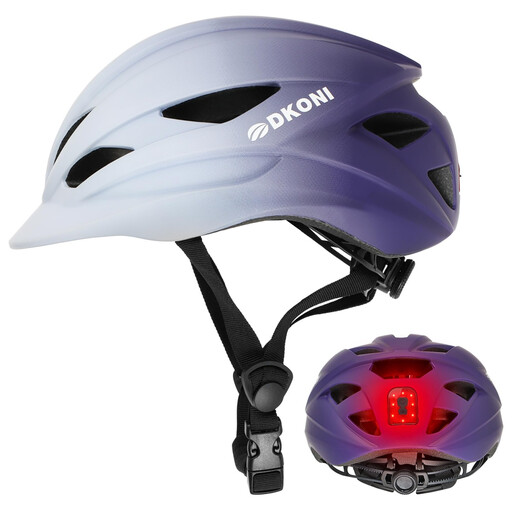
Why this fits the profile: This model combines an adjustable system with 15 vents and a USB-rechargeable rear light. That makes it suitable for city rides, commuting and recreational cycling.
The size is clearly stated as 55–58 cm and the rear light is removable for charging. Just check before buying that this size matches your head circumference.
PC and EPS construction, 15 vents and a USB-rechargeable LED rear light with two light modes, according to the product description.
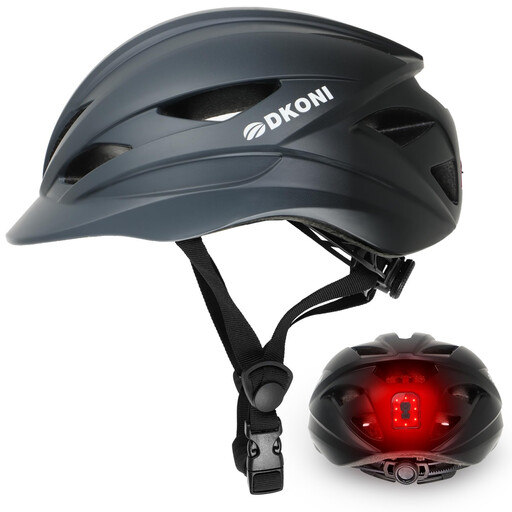
Why this fits the profile: This model is designed for adults who want one helmet for recreational cycling, mountain biking, BMX or skating, and who value adjustability.
The helmet has a dial adjustment, two removable pads and a detachable visor. This lets you tailor the fit and style to your use.
According to the product description: MIPS system, 25 vents, PC/EPS construction and two pads of different thicknesses.
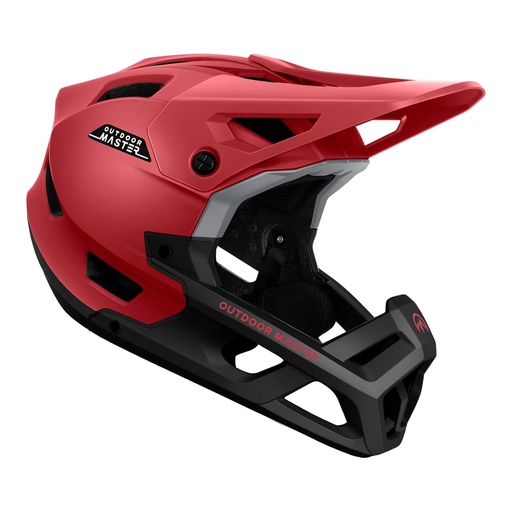
Why this fits the profile: This full-face bike helmet is aimed at downhill, BMX and intensive mountain biking where extra coverage around the chin and face is desired.
Choosing full-face protection makes it clear this isn’t a lightweight city model. So check the weight, fit and whether the chin strap closes comfortably before you buy.
ABS outer shell, EPP inner lining, 27 ventilation channels, removable padding and an adjustable visor, according to the product information.
Clean the shell with a soft, damp cloth and wash removable pads according to the product instructions. Do not use solvents or harsh cleaning products. Check the shell, straps, buckle and adjuster before every ride.
After a fall or obvious impact, you must replace the helmet, even if there is no visible crack. The internal structure can be damaged without it being noticeable from the outside. Also replace the helmet when parts no longer fasten securely or the fit can no longer be adjusted reliably. Always check the manufacturer’s specific recommendation.
We’ve put together a full, up-to-date list of products that fully meet these strict selection criteria and comply with current European safety regulations.
Measure the circumference of your head with a flexible tape measure, about two centimetres above your eyebrows. Compare the result with the size chart for the model you’ve chosen. A size M can vary between brands, so don’t just look at the letter on the product.
That depends on use, storage and exposure to sunlight and heat. Replace a helmet immediately after an impact. Also check the EPS or EPP layer, buckle, straps and padding regularly. Follow the manufacturer’s replacement guideline when one is available.
MIPS is an additional system that, according to brand and product information, is designed for certain rotational movements during angled impacts. It is not a substitute for a good fit, correct adjustment and a fastened chin strap. For daily cycling, you can include MIPS in your comparison, alongside ventilation, weight and visibility.
