
Vandaag of morgen in huis

Kwaliteit gegarandeerd

Welkomstaanbiedingen ontgrendelen: GRATIS bezorging | Tot 80% korting | Gratis 30 dagen JoyPlus-proefperiode
Download de app
Buying an adult bike helmet might seem straightforward, until you have to choose between a road cycling helmet, MIPS helmet, mountain bike helmet or multi-sport model. Marketing copy often emphasises terms like “extra protection”, “ultra-light” or “professional ventilation”, while important details are less visible.
So focus on three things: the right size, the fit and suitability for your riding style. A helmet that doesn’t fit properly, is too loose or isn’t designed for the type of riding you do will offer less practical value than a simpler model that fits you well.
A size M or L varies from brand to brand and model to model. Always check the head circumference in centimetres. Measure with a tape measure horizontally around your head, roughly two fingers above your eyebrows.
An adjustable helmet can offer some leeway, but a retention system won’t compensate for the wrong base size. For example, the OutdoorMaster Oryx is available in several sizes, including M with a head circumference of 54–58 cm and L with 54–58 cm according to the product information. So check the size chart for the specific variant before you order.
A built-in rear light can help you be more visible from behind, but it doesn’t replace bike lights on your bicycle or reflective clothing. Check how many light modes are available, how the lamp charges and whether the controls are practical for everyday use.
A MIPS helmet contains, according to the product description, a system designed to reduce the effects of rotational forces in certain angled impact scenarios. That doesn’t mean every risk is eliminated. The helmet still needs to fit correctly, be properly fastened and be replaced after a hard impact.
The helmet should sit firmly without any pressure points. First adjust the dial at the back, then adjust the chin strap. The strap should sit under your chin without pinching. When you open your mouth, the helmet should move slightly, but it shouldn’t slide forwards or backwards.
Also pay attention to the inner padding. Removable and washable liners are practical for commuters and sports riders who use their helmet frequently. They help you remove sweat and dirt more easily, but must be completely dry before you put them back in.
Many bike helmets use a combination of a hard outer shell and an EPS inner layer. The product information provided mentions ABS with EPS and polycarbonate with EPS among others. An in-mould construction can combine the outer shell and foam layer as one piece; according to the product description, this applies to the OutdoorMaster RhinoUrban.
When buying, also check whether the product displays the correct European marking and standard information, such as CE and EN 1078 for bike helmets. Not every product description in an online shop shows this information in the same place. If in doubt, ask the seller for the conformity information. A mention of CPSC or ASTM, as with the RhinoUrban, is not automatically the same as the European standard for bike helmets.
For commuting, comfort on longer rides counts. A ventilated bike helmet won’t prevent heat, but openings and air channels can improve airflow. For road cyclists, a streamlined, lightweight model is often preferable. For city riding, a rear light, visor or detachable sunglasses might be more relevant.
Don’t simply use a skateboard helmet for every bike ride. A multi-sport helmet can be suitable for cycling, BMX, inline skating and skateboarding, but always check the stated applications and European conformity.
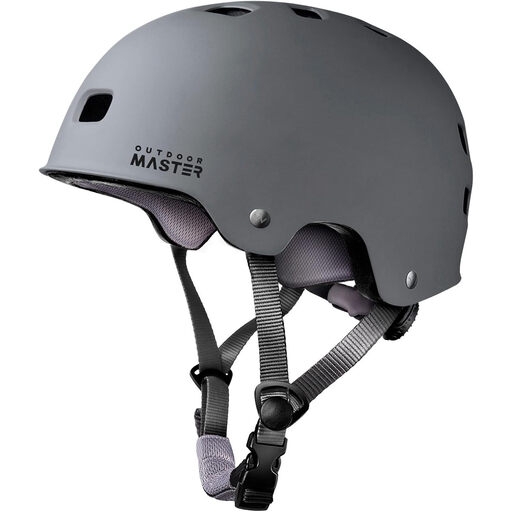
Why this fits the profile: This multi-sport helmet is designed for cycling, BMX, skateboarding and inline skating. Size L is suitable for a head circumference of 54–58 cm according to the product information.
The dial and adjustable chin strap help with fitting. Two removable liners make maintenance and a customised fit easier.
ABS outer shell, EPS core, ventilation and washable inner padding. Suitable for multiple recreational activities.

Why this fits the profile: This model is designed for adults who combine road cycling with commuting and pay extra attention to fit and MIPS technology.
The product description mentions an integrated MIPS system, adjustable fit and multiple ventilation openings. Do check the size and standard information before purchasing.
MIPS according to the product information, adjustable dial, EPS lining and ventilation for longer rides.
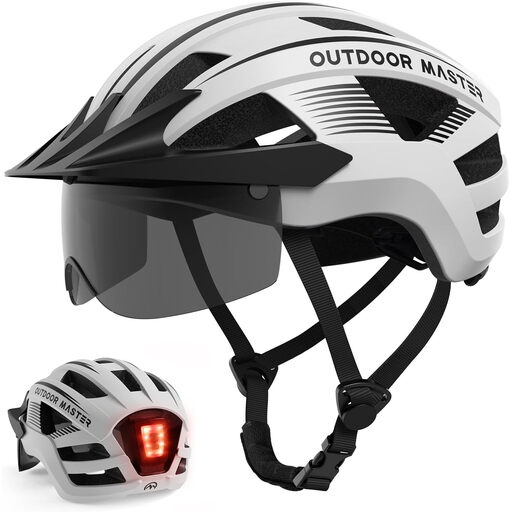
Why this fits the profile: A practical option for commuters and cyclists who switch between city riding, mountain biking and road cycling and want to combine extra features.
The rear light is rechargeable via USB-C and the helmet has a dial. This means you don’t have to rely solely on a universal size or separate accessories.
17 ventilation openings, rear light, detachable sunglasses and sun visor according to the product description.
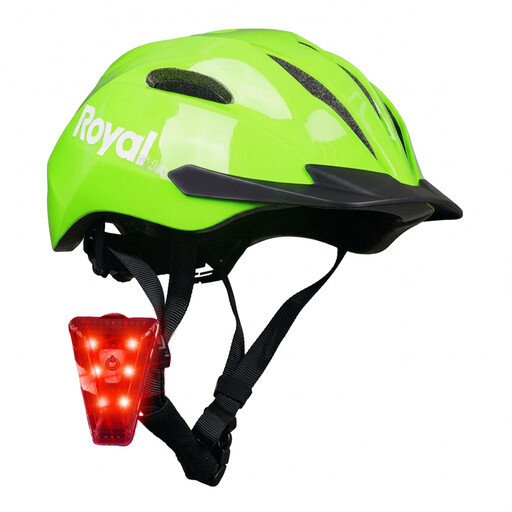
Why this fits the profile: This children’s bike helmet is designed for children aged approximately 5 to 13 years according to the product information and can be used for cycling, scooting and skating.
The head circumference is adjustable and the inner padding is removable and washable. The fit should be checked for each child individually.
Built-in rear light with three modes, multiple ventilation openings and a weight of approximately 250 grams according to the product information.
We’ve put together a full, up-to-date list of products that fully meet these strict selection criteria and current European safety regulations.
The helmet should sit firmly and horizontally on your head, without wobbling or causing pressure pain. The chin strap should be fastened, but not pulled tight. Check the fit by gently moving your head forwards and backwards.
Replace a helmet immediately after a hard impact, even if there’s no visible damage. The product information for various models also advises replacement after roughly three to five years, because materials can degrade over time. Store the helmet in a dry place, out of direct sunlight and away from high temperatures.
No. The right choice depends on size, fit, use and verifiable specifications. For daily cycling, an adjustable helmet with ventilation may be sufficient. For road cycling, a lightweight model with MIPS could be suitable, while a helmet with lights can be especially useful for commuters. Compare the features with your route rather than just looking at the price.
