
Vandaag of morgen in huis

Kwaliteit gegarandeerd

Welkomstaanbiedingen ontgrendelen: GRATIS bezorging | Tot 80% korting | Gratis 30 dagen JoyPlus-proefperiode
Download de app
An adult bike helmet might seem straightforward to choose at first glance. Yet the wrong size, poor ventilation or an unsuitable model often leads to disappointment. A helmet that is too loose will shift while you ride. A model with a visor can be handy on off-road trails, but unnecessary for daily commuting. And a low price says little about fit or materials.
The main pitfalls to avoid are:
Measure the circumference of your head with a flexible tape measure, roughly two fingers above your eyebrows. Keep the tape measure horizontal and don't pull it too tight. Compare the result with the size chart for the specific model.
A well-fitting adjustable bike helmet:
A dial at the back can make adjustment easier. Also check whether the inner pads are removable and washable. This is practical for regular use in warm or wet weather.
Many models combine a PC outer shell with an EPS inner layer. With an in-mould construction, these parts are bonded together during production. Other helmets use ABS with EPP, such as some full-face models.
Check on the product or in the documentation for:
A certification mention in a product description is no reason to skip other information. According to the product description, DKONI states certification to American and European standards for certain models. Always check the current product information and marking of the specific item you choose at the time of purchase.
A MIPS bike helmet contains an additional system that, according to the product description, is designed to reduce rotational forces in certain impacts. This is a technical feature, not a guarantee that injury will be prevented. Fit, correct fastening and defensive riding remain essential.
For long bike rides, the number of ventilation openings matters, but it's not the only criterion. Also look at the air channels and the placement of the inner pads. A bike helmet with lights can be useful for commuters, especially if the rear has multiple light modes. Lighting does not replace bike lights as required by traffic regulations.
A bike helmet with a visor or detachable glasses can help against sun, rain, wind and flying debris. Check that the visor is securely attached and that you can remove it when you want to ride without it. For forest rides, a longer peak can be practical; for a road bike helmet, low weight and good airflow often take priority.
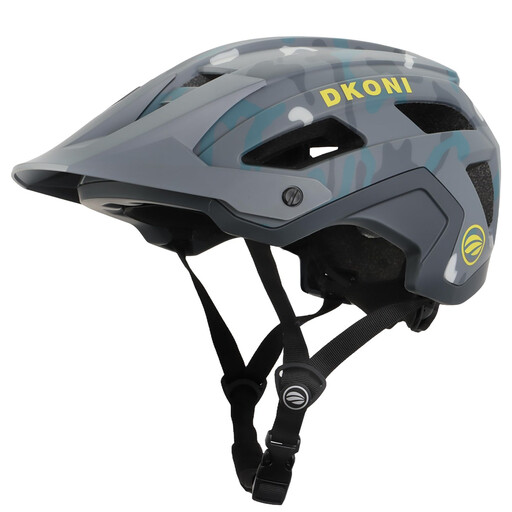
Why this suits the profile: This mountain bike helmet model is aimed at adults who ride recreationally, take off-road trails or want a helmet for daily use. The L size is suitable for a head circumference of 56 to 61 cm according to the product data.
The head sizes are clearly stated and the helmet has a dial for fine adjustment. The removable visor prevents you from being tied to one use case.
PC outer shell with EPS inner layer, 17 ventilation openings, washable inner lining and a weight of approximately 380 grams according to the product description.

Why this suits the profile: A fitting choice for road cyclists and commuters who are specifically looking for a MIPS bike helmet with an adjustable fit and ventilation.
The product description mentions MIPS, an adjustment dial, adjustable straps and multiple ventilation openings. This allows you to base your choice on concrete features rather than just appearance.
MIPS system according to the product information, PC and EPS construction, adjustable fit and ventilation for road cycling and commuting.
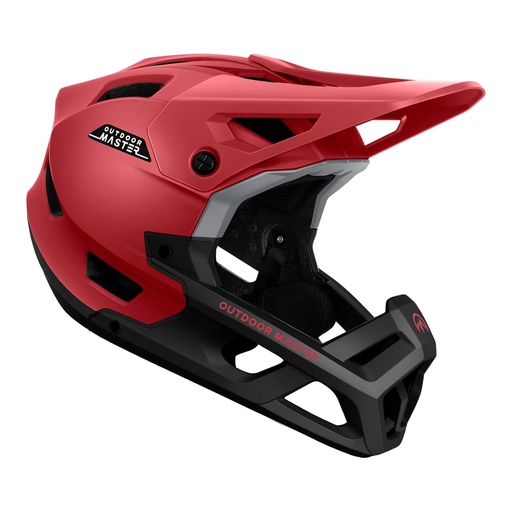
Why this suits the profile: This full-face bike helmet is intended for downhill, BMX and intensive mountain biking, where extra coverage around the chin and face may be desirable.
The model is not presented as a universal city helmet, but has a clear intended use. The adjustable D-rings and removable lining help with fitting and maintenance.
ABS outer shell, EPP inner layer, chin guard, 27 ventilation channels, rotating visor and space for ski goggles according to the product data.
We have compiled a full, up-to-date list of products that fully meet these strict selection criteria and the applicable European safety regulations.
For skating, scootering, BMX or skateboarding, additional protection can be practical. A set with knee, elbow and wrist guards offers protection in multiple areas, but must fit well. Check that the straps don't slip and that the wrist guards are correctly placed around the thumb.
The OutdoorMaster protection set for adults and teenagers includes knee, elbow and wrist guards plus a carry bag according to the product data. The ABS shells, EVA padding and adjustable Velcro fastenings are suitable for activities including cycling, skating, scootering and BMX. The set is not intended for motorcycle use or activities outside the recommended speed range.
For children, a separate children's helmet for cycling and skating is needed. An adult model does not automatically fit a young head well. Look at the size, the EN 1078 listing and correct adjustment of the chin strap. The ACTION Roller Skating Helmet PW-903-H is described in the product information as a children's helmet for cycling, roller skating and scootering, with an adjustment mechanism and a stated EN 1078 and CE listing.
Clean the outer shell with a soft, damp cloth. Wash removable pads according to the product instructions and allow them to air dry completely. Do not use solvents, harsh cleaners or high temperatures.
Replace a helmet after a significant impact, even if there is no visible crack. Check the shell, lining, buckle and straps before every ride. A fixed replacement period varies by brand and usage conditions; therefore, follow the manufacturer's instructions.
Measure your head circumference in centimetres and compare it with the size chart for the model you choose. The size labels M and L are not universal. Adjust the dial and chin strap before you start riding.
MIPS is an additional technical feature that, according to product information, is designed to reduce rotational forces in certain impacts. It is not a substitute for a good fit, correct fastening and attentive riding. For commuting, you can also consider ventilation, visibility and possibly a bike helmet with lights.
Replace the helmet immediately after a significant impact or when the shell, straps or lining are damaged. Even without an accident, materials can deteriorate over time. Consult the manufacturer's maintenance and replacement information, and do not store a helmet for long periods in heat or direct sunlight.
