
Vandaag of morgen in huis

Kwaliteit gegarandeerd

Welkomstaanbiedingen ontgrendelen: GRATIS bezorging | Tot 80% korting | Gratis 30 dagen JoyPlus-proefperiode
Download de app
An adult bicycle helmet with light may seem like a straightforward purchase at first glance. However, models vary considerably in fit, visibility, ventilation and maintenance. For commuting in the city, you will often need different features than for a long road cycling trip or a ride on unpaved paths.
Product descriptions can also list plenty of features without making it clear how practical they are for everyday use. So do not focus only on the number of LEDs or ventilation openings. Pay particular attention to the combination of fit, certification information, charging method and intended use.
A small rear light can help you be noticed sooner, but it does not replace bicycle lighting required under Dutch traffic regulations. Check whether the light has several modes and how it is charged. A USB rechargeable bicycle helmet is practical, but only if the charging port is accessible and the battery has enough capacity for your rides.
Also note the difference between a bicycle helmet with rear light and a bicycle helmet with front and rear lights. A rear light is primarily designed to make you visible from behind. A system with white LEDs at the front may provide additional illumination, but it does not automatically replace a separate bicycle light.
An adjustable dial is useful, but it cannot fully compensate for the wrong size. First measure your head circumference with a tape measure, approximately two centimetres above your eyebrows. Compare the result with the size chart for the specific model.
A helmet that is too loose may shift while you are cycling. A model that is too tight can become uncomfortable on longer rides. Also check the chin straps and the height at which the adjustment system sits on your head.
A bicycle helmet with visor, magnetic glasses or detachable sun visor can be useful in windy, rainy and bright conditions. However, check that these components are firmly attached and easy to remove. An accessory you rarely use may add extra weight or require additional maintenance.
For models with electronic components, you should also consider water resistance, charging status and storage. The available product information does not always state a specific IP rating. Therefore, do not assume that the helmet is fully protected against prolonged exposure to rain.
A good fit starts with the correct head circumference. The models in this selection are available in different sizes:
Place the helmet horizontally on your head. The front should not sit too far above your forehead, and the chin strap should fit securely without feeling tight. An adjustable bicycle helmet with a dial and adjustable side straps generally gives you more scope to fine-tune the fit.
The product descriptions mention, among other features, a PC outer shell and an EPS inner layer. According to the descriptions, these components are combined into a single helmet structure through in-mould construction. EPS is a foam material that the product information associates with shock absorption.
According to their own product information, the OutdoorMaster models are described as CPSC- and ASTM-certified. The DKONI HS-158 is listed in the product description with CPSC, CE and ASTM markings. These are verifiable details from the product listing, but a certification statement does not mean that a helmet will provide protection in every circumstance. Wear the helmet correctly and replace it after a hard fall or impact, even if there is no visible damage.
For use in the Netherlands, it is also sensible to check the latest conformity information on the product page. CPSC and ASTM are American standards; the CE marking refers to a European declaration of conformity, but it should always be assessed in the context of the specific product.
A breathable bicycle helmet is particularly comfortable on longer rides, in summer and when cycling intensively. The selection includes models described as having 15, 17 or 20 ventilation openings. More openings do not automatically mean greater comfort: the shape of the channels, the internal structure and the fit also play a part.
A removable, washable inner lining can be a practical advantage for daily commuting. Clean the outer shell with a soft, damp cloth and do not use harsh chemicals.
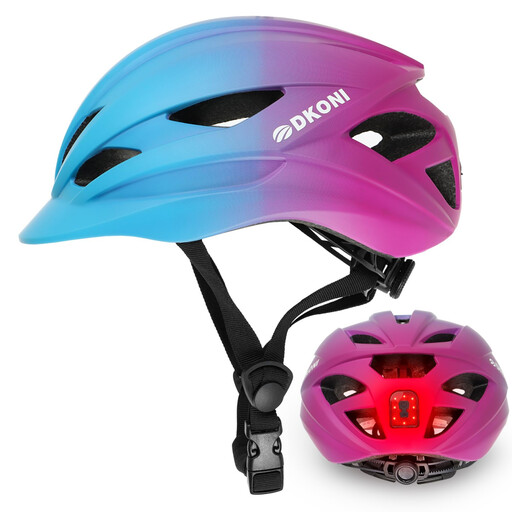
Why it suits this profile: This model combines an adjustable fit with a removable, USB-rechargeable rear light for city rides and commuting.
The 55–58 cm size and adjustment mechanism make the choice more straightforward than with a model without a clearly stated size. The rear light can be removed for charging.
PC and EPS construction, 15 ventilation openings and a USB-rechargeable rear light with two modes, according to the product description.
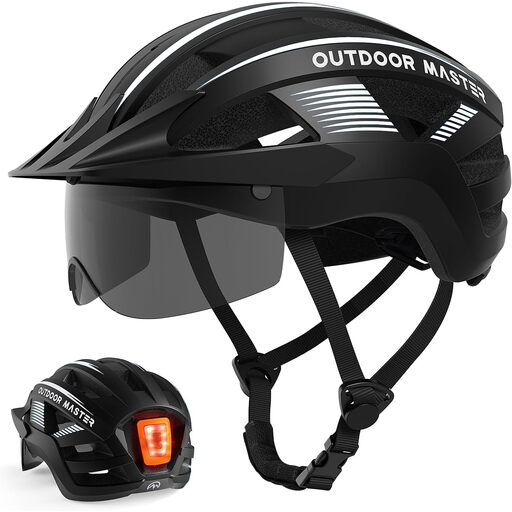
Why it suits this profile: Suitable for cyclists who want to use a bicycle helmet with goggles and a visor on city rides, road cycling trips or mountain bike adventures.
The fit is adjustable, while the magnetic goggles and sun visor are removable. This means you can use only the accessories that suit the weather and route.
17 ventilation openings, a Type-C rechargeable rear light and, according to the product information, CPSC and ASTM certification.
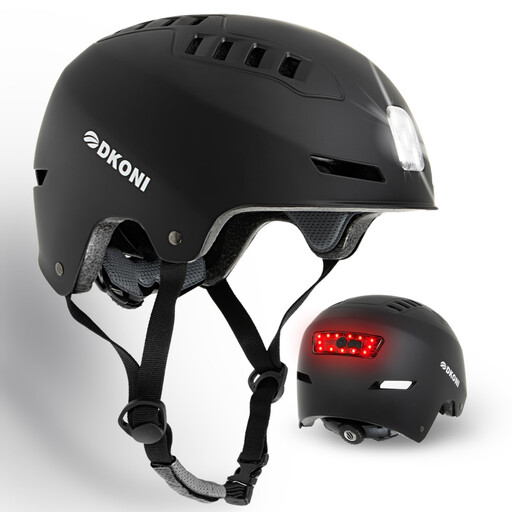
Why it suits this profile: A practical choice for e-bike users and commuters looking for visibility at both the front and rear.
The product description mentions separate white LEDs at the front and red LEDs at the rear, along with several rear light modes.
20 ventilation openings, a one-handed adjustment dial and, according to the product information, CPSC, CE and ASTM markings.
We have put together a complete, up-to-date list of products that fully meet these strict selection criteria and the applicable European safety regulations.
Place the helmet straight on your head and adjust the dial first. The helmet should remain stable when you move your head. Then fasten the chin strap and check that only a small amount of space remains between the strap and your chin. Check the adjustment before every ride, particularly when several people use the same helmet.
This varies depending on the model, light mode and battery condition. The DKONI HS-086 product information states a run time of approximately 3 to 5 hours. The DKONI HS-158 has several modes, so the run time may vary depending on the setting. Charge the light before an evening ride and also use the required bicycle lighting.
Replace a helmet after a hard impact or fall, even if the outer shell has no obvious cracks. Also regularly check the shell, EPS inner layer, chin strap, fastening, pads and lighting system. Loose or damaged components can affect the fit.
