
Vandaag of morgen in huis

Kwaliteit gegarandeerd

Welkomstaanbiedingen ontgrendelen: GRATIS bezorging | Tot 80% korting | Gratis 30 dagen JoyPlus-proefperiode
Download de app
A pair of adidas running shoes may look appealing, but an attractive design says little about whether they are suitable for your training. If you choose based solely on colour, a discount or a familiar model name, you could end up with a shoe that feels too narrow, offers insufficient grip or becomes uncomfortable after just a few training sessions.
The main pitfalls are usually:
Below, you’ll find a practical comparison of adidas models for different uses, from treadmill sessions and daily training to longer distances and faster workouts.
The midsole largely determines how the shoe feels when you run. Focus on the material and the manufacturer’s description rather than relying solely on terms such as ‘soft’ or ‘energising’.
Cushioning is a personal preference. A beginner who mainly does relaxed training may prefer a different feel from someone who focuses on speed sessions or races. So don’t select your shoes based solely on maximum softness.
For training in the gym, on a treadmill or outdoors in the Netherlands, a breathable upper is a practical choice. Mesh generally allows more air to pass through than a fully enclosed synthetic upper. Also check that the shoe provides enough room around your toes.
When choosing women’s and men’s running shoes, pay attention to:
A shoe that feels comfortable when you are standing still may still prove too short when you run. Measure both feet at the end of the day and compare the longer foot with the size chart for the specific model.
The outsole determines grip and durability. A rubber sole with a hard-wearing tread is suitable for frequently used surfaces, but the tread pattern needs to match how you intend to use the shoes.
Also check the care instructions. According to the product information, the models mentioned are intended to be cleaned with a damp cloth. Machine washing, bleach and drying near direct heat are not recommended.
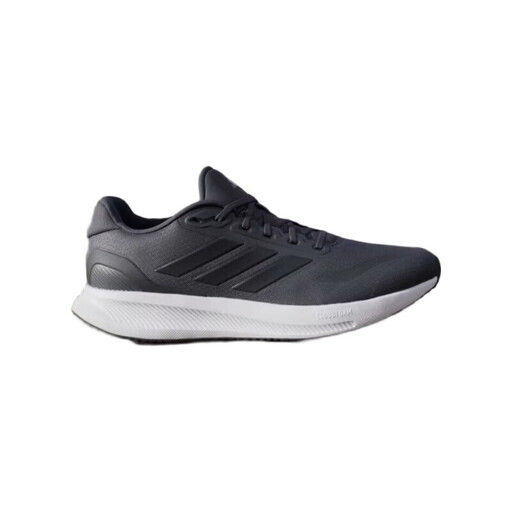
Why it suits this profile: A practical option for daily training, walking, fitness and treadmill use. The product information lists a mesh upper, Cloudfoam midsole and OrthoLite sockliner.
The choice is based on specific features rather than appearance alone: mesh, Cloudfoam and an Adiwear outsole are clearly listed.
Mesh upper for airflow, Cloudfoam midsole and sizes from EU 36 to 45 according to the product listing.
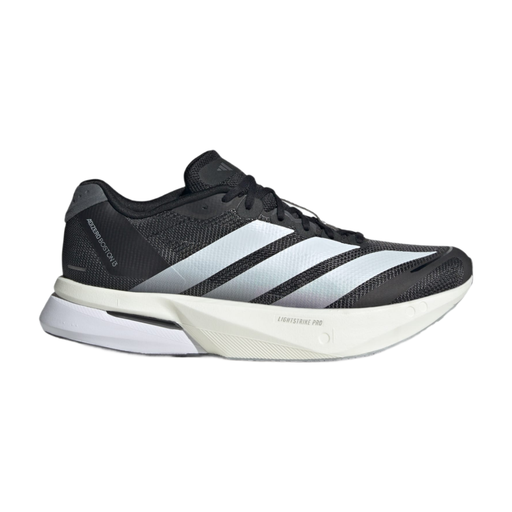
Why it suits this profile: For runners looking for a lightweight model for training and races. The product specifications list Lightstrike Pro, Energy Rods, technical mesh and a Continental rubber outsole.
The choice is based on verifiable components such as the midsole material, the upper and the listed lacing system, rather than a general promise of speed.
Technical mesh, Lightstrike Pro foam and Energy Rods according to the product description; available in a range of women’s sizes.
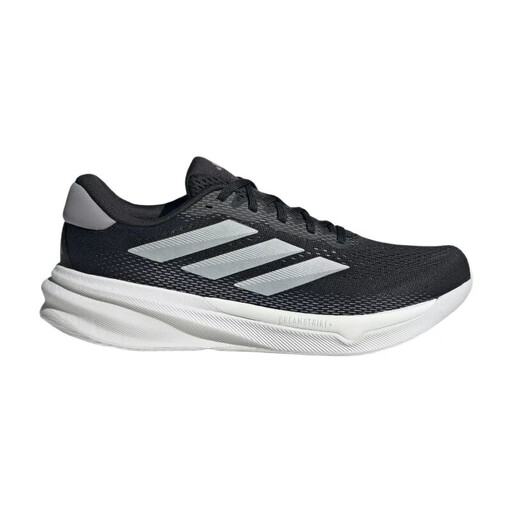
Why it suits this profile: Designed for longer training sessions and regular use outdoors or on paved surfaces. The mesh construction and Adiwear outsole are a good match for anyone who values breathability and grip.
The shoe specifies the midsole, mesh upper and rubber outsole used. This allows you to compare cushioning, ventilation and grip more purposefully.
Dreamstrike+ and EVA in the midsole, textile and synthetic mesh, and Adiwear rubber according to the product details.
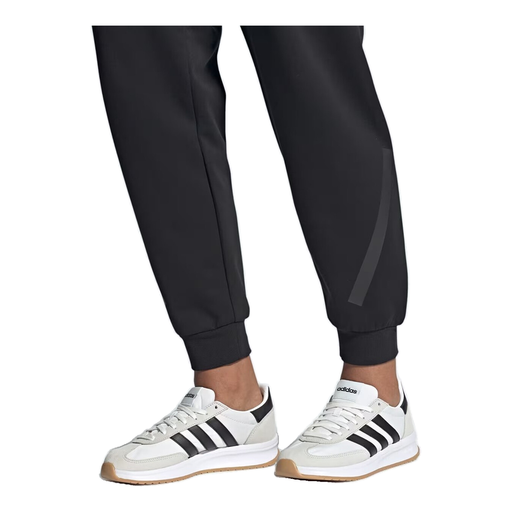
Why it suits this profile: A versatile retro trainer for everyday use, commuting and light activities. This model is particularly appealing if style and wearing comfort matter more to you than specialised running technology.
The shoe is not presented as a specialised racing shoe. The specifications make it clear that this is a flexible everyday model with a retro profile.
Synthetic leather and textile, a breathable textile lining and a lightweight, flexible rubber sole according to the product description.
We’ve put together a complete, up-to-date list of products that fully meet these strict selection criteria and the applicable European safety regulations.
Use this quick checklist before you order:
Their lifespan depends on your body weight, how often you run, the surface, how well you care for them and the type of shoe. Don’t look only for visible wear. A compressed midsole, smooth outsole or less secure fit may indicate that the shoes need replacing. If you run several times a week, it is sensible to check the condition of the sole and the level of comfort regularly.
Many models can be used on a treadmill, but look at flexibility, breathability and grip. According to the product description, the Runfalcon 5 is suitable for daily training and treadmill use. A retro model such as the Run 70s 2.0 is intended more for everyday wear and light activities than for intensive running training.
For longer training sessions, compare models based on cushioning, fit, breathability and grip. The Supernova Stride 2 features a Dreamstrike+ and EVA midsole, a mesh upper and an Adiwear outsole. Whether this combination suits you depends on your foot shape, running pace and preference for a softer or more responsive feel.
