
Vandaag of morgen in huis

Kwaliteit gegarandeerd

Welkomstaanbiedingen ontgrendelen: GRATIS bezorging | Tot 80% korting | Gratis 30 dagen JoyPlus-proefperiode
Download de app
Buying a new pair of adidas running shoes seems simple, until you realise after a few training sessions that they don’t fit properly. A soft sole isn’t automatically suitable for long distances, and a lightweight model isn’t always comfortable for everyday wear. The right choice depends on your running goals, the surface you run on, your foot length and how much cushioning you want.
A lot of marketing focuses on soft or energetic cushioning. That sounds appealing, but a very soft midsole can feel less responsive to some runners. If you mainly do short training sessions, a more stable everyday model may suit you better. So check which foam the midsole uses and how the manufacturer describes the model’s intended use.
Lightweight adidas running shoes are worth considering for speed sessions and races, but a low weight says little about fit, durability or comfort on a relaxed long run. A race-focused model may not be the best choice as your only pair for every type of training.
Men’s and women’s adidas running shoes can feel different from one model to another. Some sizes are also shown as 40 2/3 or 41 1/3. So measure your foot in centimetres and compare it with the size chart on the product page. A little room around your toes is useful, especially if you run longer distances.
The midsole plays a big part in how a shoe feels when you run. The selected models use a range of materials:
These descriptions come from the product information. They don’t guarantee that every runner will have the same experience. Focus on the balance of softness and stability, and how it suits the training you do.
A mesh upper can help with airflow and keep the shoe lightweight. This matters for treadmill running, indoor training and longer sessions. Also check whether the shoe has synthetic reinforcements. These can help provide a more secure fit, but a very close-fitting upper won’t feel comfortable on every foot.
Grip and durability are important considerations for running in the Netherlands. Look at the type of rubber and the tread:
However, a running shoe’s performance still depends on the surface. A model for tarmac and treadmill use isn’t automatically designed for muddy paths or technical terrain.
Use this guide when comparing adidas running shoes:
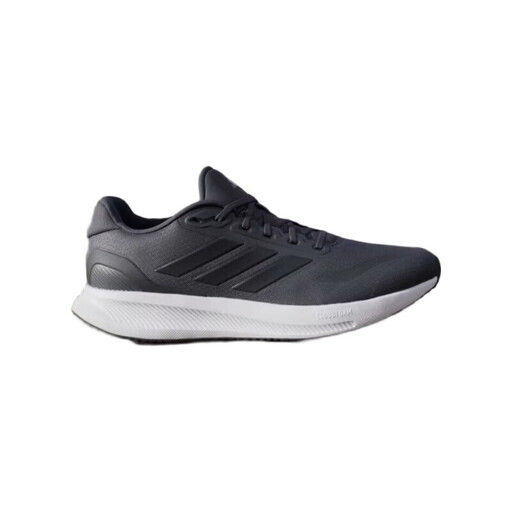
Why it suits this profile: According to the product description, the Runfalcon 5 is designed for everyday training, the athletics track and treadmill running. That makes it a practical choice if you’re gradually building a running routine.
You don’t have to go straight for a race-focused model: the product details list Cloudfoam, mesh and an Adiwear outsole for everyday use.
Cloudfoam midsole, 100% mesh according to the product details, and EU sizes available from 36 to 45.
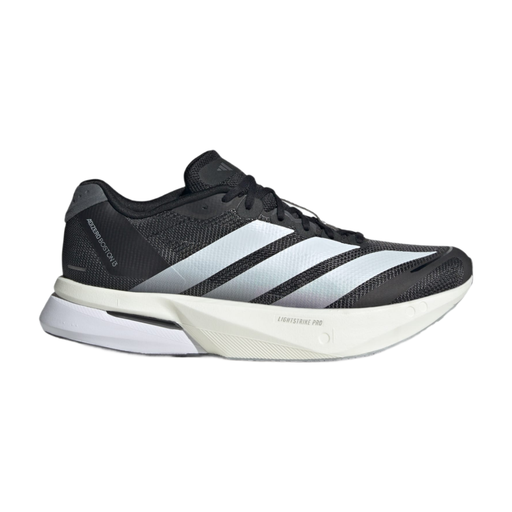
Why it suits this profile: For runners who combine speed sessions with races, this model offers a lightweight construction, Lightstrike Pro and Energy Rods, according to the product details.
The choice isn’t based on weight alone: the description also mentions a mesh upper, reinforcements, a secure fastening and Continental rubber.
Lightstrike Pro midsole, Energy Rods and a technical mesh upper with synthetic reinforcements.
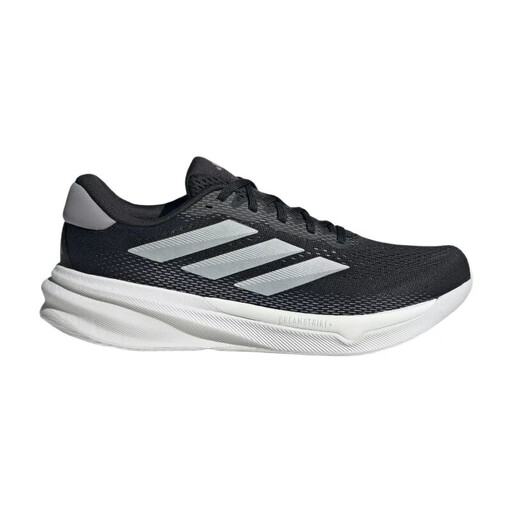
Why it suits this profile: According to the product information, this model is specifically designed for training and longer runs. The combination of Dreamstrike+ and EVA suits runners looking for an everyday training shoe.
You’re looking beyond a soft sole: the model combines two midsole materials with a breathable upper and an Adiwear outsole.
Dreamstrike+ and EVA, textile and synthetic mesh, plus Adiwear rubber for grip and durability according to the product description.
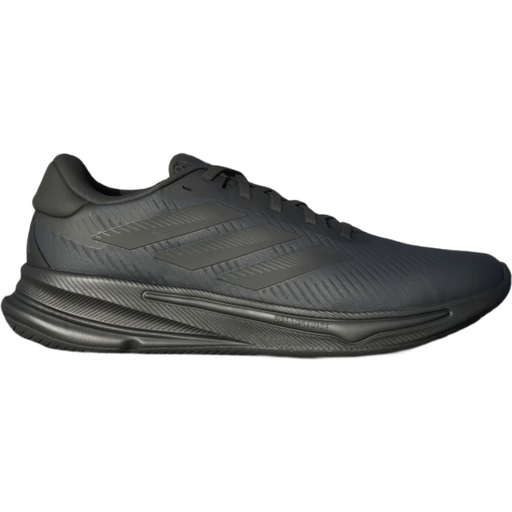
Why it suits this profile: According to the product description, the Supernova Ease is designed for short to medium distances and for building a running routine.
The description lists a regular fit and adjustable laces. This lets you fine-tune the fit more precisely than with a fixed slip-on design.
Full-length Dreamstrike midsole, breathable mesh and rubber lugs according to the product details.
We’ve put together a complete, up-to-date list of products that meet these strict selection criteria and the applicable European safety regulations.
Measure both feet at the end of the day and use the longer foot as your guide. Compare your measurements with the product page, particularly for women’s and men’s adidas running shoes with unusual size ranges. If possible, try the shoes on with the socks you wear when running.
Clean the upper with a damp cloth and leave the shoes to air dry. The product details for the models mentioned advise against machine washing, bleach and direct heat. Store your running shoes somewhere dry and stop using them if the sole is visibly distorted, the grip has deteriorated significantly or the fit has noticeably changed. Their actual lifespan depends on your body weight, running style, the surface, how often you train and how well you care for them.
According to the information provided, products are covered by a minimum two-year legal guarantee under European consumer law. Check the seller’s current terms before buying.
For beginners, models designed for everyday training are usually more practical than dedicated racing shoes. The product information describes the Runfalcon 5 and Supernova Ease as suitable for everyday training, short distances and building a running routine.
There’s no fixed replacement schedule that applies to every runner. Check the condition of the outsole, the shape of the midsole, the upper and the fit. If the shoes show clear signs of wear or have lost grip, it’s wiser to replace them than to go by how many months you’ve owned them.
Yes, if the model is described as suitable for everyday training, the track or treadmill use, such as the Runfalcon 5. Choose a breathable upper and a sole that feels comfortable on a flat surface. If you also run outdoors, grip on wet tarmac and other surfaces is important.
