
Vandaag of morgen in huis

Kwaliteit gegarandeerd

Welkomstaanbiedingen ontgrendelen: GRATIS bezorging | Tot 80% korting | Gratis 30 dagen JoyPlus-proefperiode
Download de app
Buying a pair of adidas running shoes seems straightforward, until you have to choose between cushioning, weight, fit and intended use. A shoe that feels comfortable on a short walk isn’t necessarily suitable for longer runs. Marketing terms such as “light”, “responsive” or “all terrain” only mean something when you know which materials and features they refer to.
Models with a retro profile, such as the adidas Run 70s 2.0, are designed for everyday wear and have a sporty look. The product information mentions a lightweight construction, flexible rubber outsole and comfortable cushioning. However, that doesn’t make it the same as a shoe specifically developed for intensive running training.
If you mainly wear your shoes for commuting, walking or casual outfits, a lifestyle model could be a good fit. For regular training, features such as a suitable midsole, breathable upper and reliable grip matter more than looks alone.
More cushioning isn’t automatically more comfortable for every runner. A soft Cloudfoam midsole can feel comfortable during everyday training, while a hybrid Dreamstrike+ and EVA midsole is described in the product information as offering a more responsive feel. A shoe designed for racing may put more emphasis on energy return and low weight.
So look at the combination of cushioning, stability, weight and fit. A highly cushioned shoe, for example, may feel less responsive during speed sessions. Conversely, a very lightweight shoe may be less suitable if you mainly run at an easy pace over longer distances.
An EU size can feel different from one model to another. Check the stated foot length in centimetres or millimetres instead. For example, the product information gives a foot length of 25.9 cm for the Runfalcon 5 in size 40 2/3. For the adidas Adizero Boston 13 W in size 40, it lists 25.5 cm.
Measure your foot at the end of the day, wearing the socks you use for running. Then compare the measurement with the size guide on the product page. With running shoes, make sure there’s enough room around your toes, too; your feet can swell slightly during longer runs.
The midsole has a major impact on how a shoe feels. Check the material used and what the shoe is designed for:
These terms describe the construction, but they can’t predict exactly how a shoe will feel on your foot. Fit and running style are still personal.
A mesh upper can help with airflow and is practical for indoor and outdoor training. According to the product information, the Runfalcon 5 and Supernova Stride 2 use mesh or textile and synthetic mesh. These models are worth considering if you’re looking for breathable running shoes.
Also check how securely the upper fits around your midfoot. A loose heel can cause irritation and make you feel less secure. A forefoot that’s too tight can become uncomfortable over longer distances.
For running shoes used on a treadmill and road, a rubber outsole with reliable grip is generally practical. According to the listing, the Runfalcon 5 and Supernova Stride 2 have an Adiwear outsole. The Adizero Boston 13 W is described as having Continental rubber.
The adidas Supernova Rise M ATR has a synthetic rubber sole and, according to the product information, is designed with an ATR construction. If you use your shoes on wet paths or unpaved ground, always check the sole and tread. A label such as “all terrain” doesn’t mean you’ll get the same grip on every surface.
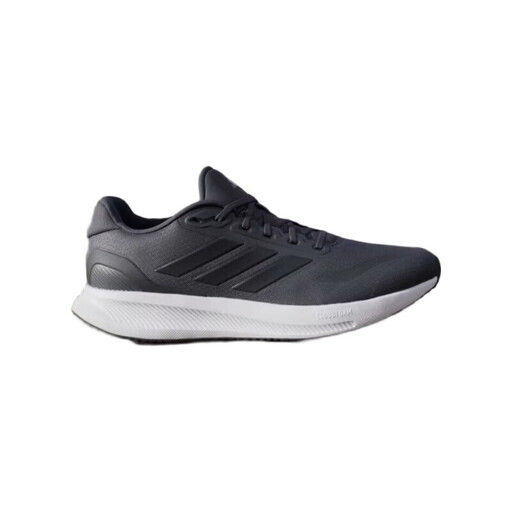
Why it suits this type of runner: According to the product information, this model is designed for everyday training, the treadmill and track use. Its Cloudfoam cushioning and mesh upper make it a good match for beginners looking for one pair to wear for different types of training.
The product page lists both foot length and EU sizes, so you can check more than just the size number.
Mesh upper, Cloudfoam midsole, OrthoLite insole and Adiwear outsole, according to the product description.
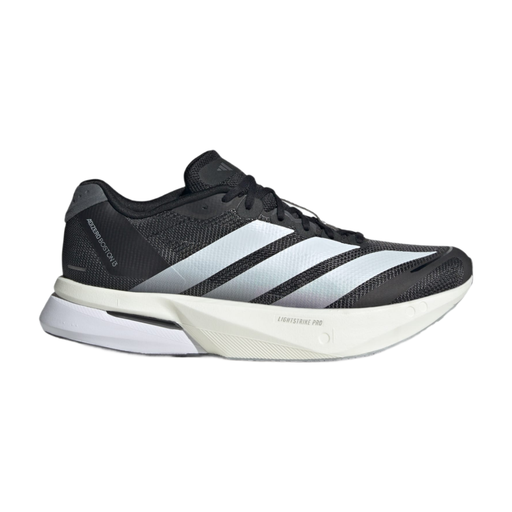
Why it suits this type of runner: For performance-focused runners looking for a lightweight model for training and racing. According to the adidas product information, this women’s running shoe has Lightstrike Pro foam, Energy Rods and a technical mesh upper.
The specifications make it clear that this isn’t a purely casual model. Do check the foot length and fit carefully before choosing a performance-focused shoe.
Lightstrike Pro midsole, technical mesh and Continental rubber outsole, according to the product listing.
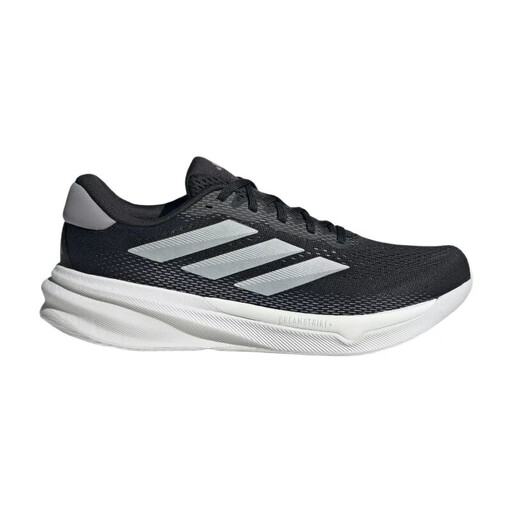
Why it suits this type of runner: According to the product description, this model is designed for training and longer runs. It’s a good fit for runners looking for comfortable, cushioned running shoes for regular use on the road, track or treadmill.
The hybrid midsole is clearly specified, along with mesh and Adiwear. So you don’t have to rely on general terms such as “comfortable”.
Dreamstrike+ and EVA in the midsole, breathable mesh and an Adiwear rubber outsole, according to the listing.
We’ve put together a full, up-to-date list of products that meet these strict selection criteria and the applicable European safety regulations.
Their lifespan depends on how often you run, your body weight, the surface, your running style and how well you look after them. Check the outsole for wear regularly and see whether the midsole has visibly compressed. Worn tread or a misshapen sole could mean it’s time for a new pair, even if the upper still looks in good condition.
Some models are specifically designed for it. The product information for the Runfalcon 5 mentions everyday training, track use and the treadmill. For treadmill use, practical things to consider include a comfortable fit, breathable material and an outsole with enough grip. After use, check the sole for any build-up of dust or rubber particles.
Some models come in specific women’s or men’s versions, such as the Adizero Boston 13 W and Supernova Stride 2 M. Don’t choose based only on the “women’s” or “men’s” label. Compare the foot length, width, heel fit and size guide instead. The right fit matters more than the label on the product page.
